How to Choose Professional Cleaning Equipment for Your Facility
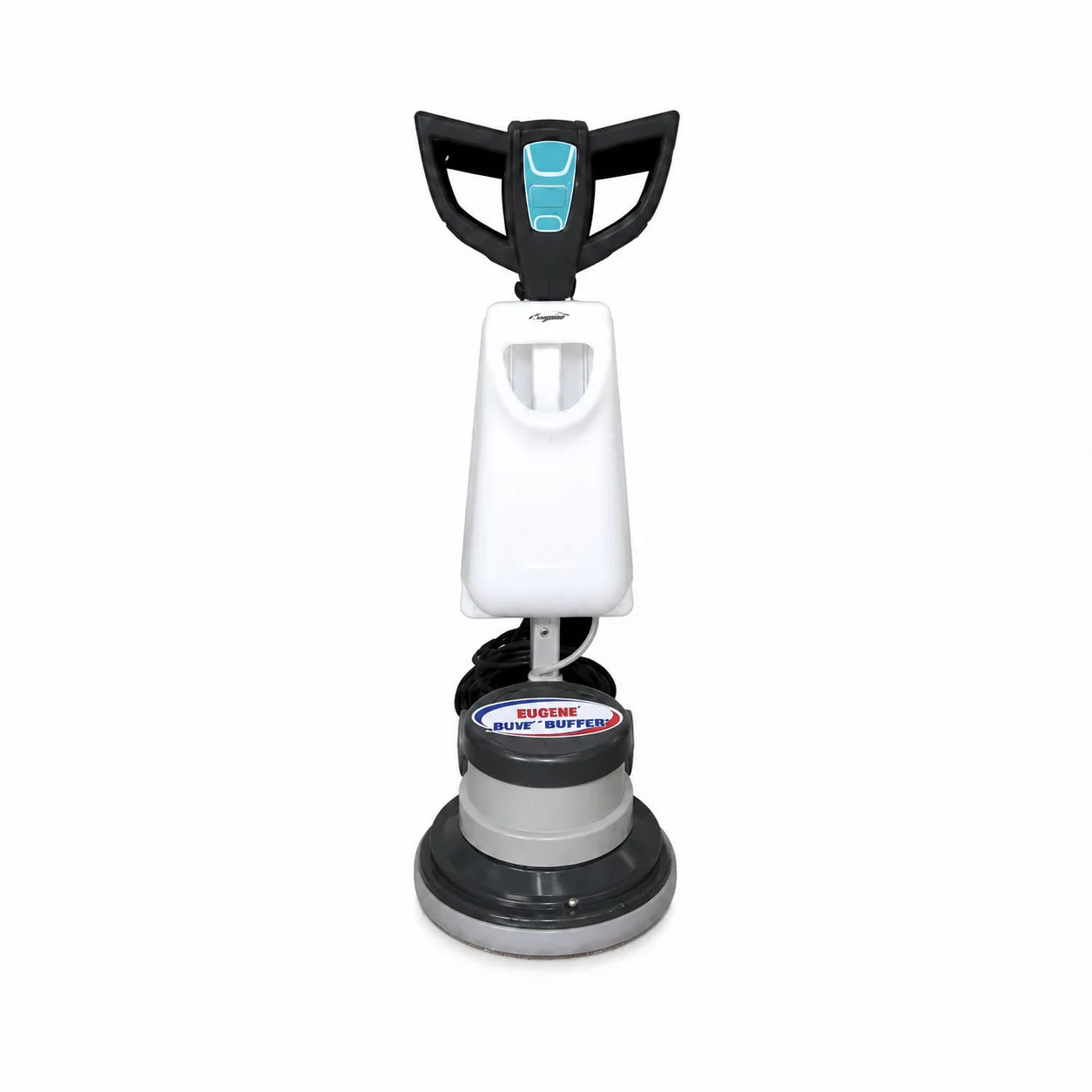
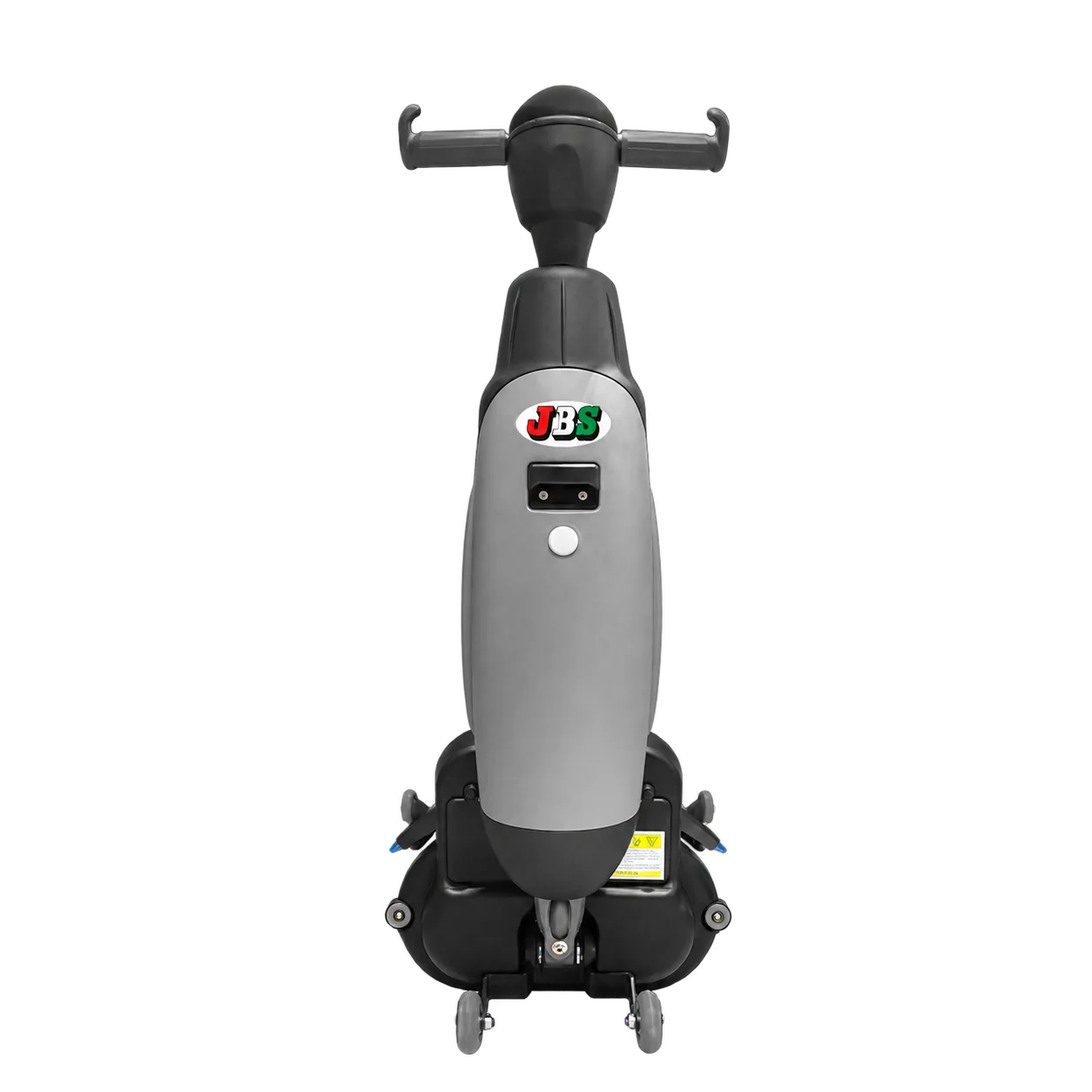
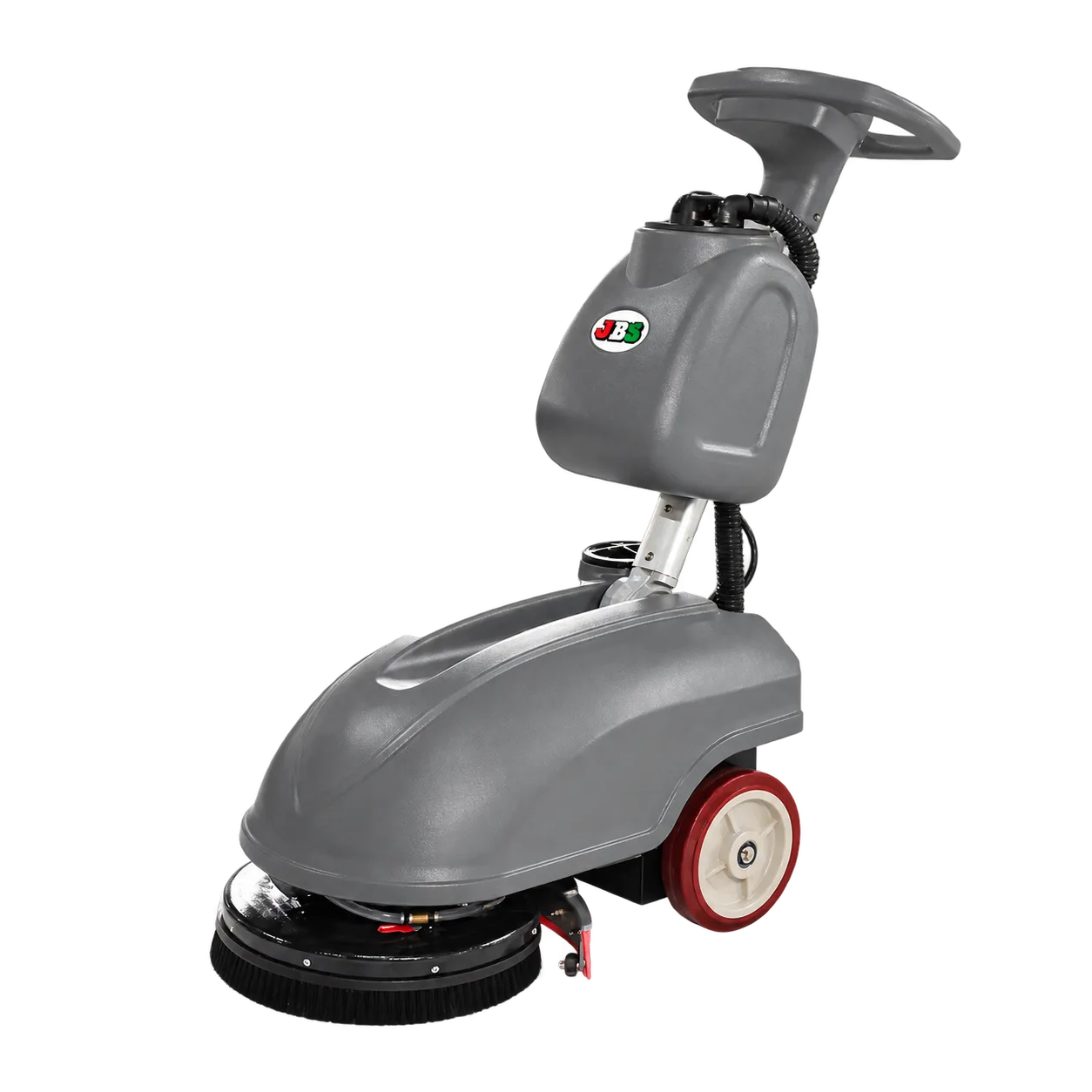
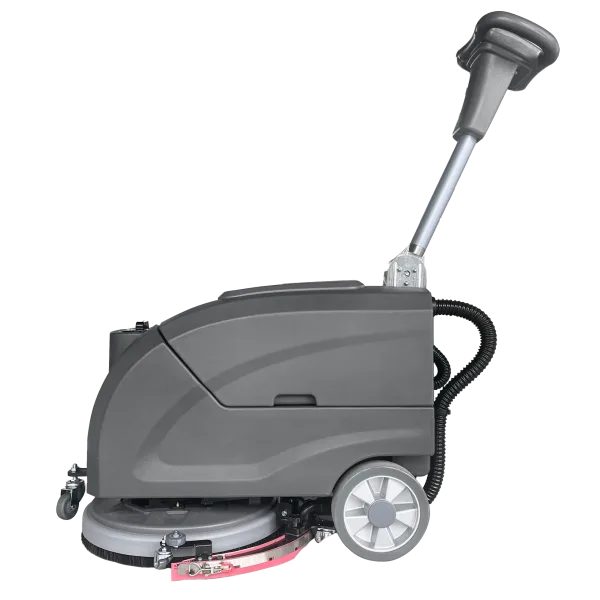
Start with the cleaning task. A scrubber dryer, wet & dry vacuum and carpet extractor solve different operational problems. Select the technology before comparing individual models.
Measure the usable floor area. Gross building size can be misleading. Aisles, shelving, lifts, doorways, furniture and turning space directly affect the machine size that can actually operate efficiently.
Compare real productivity, not theoretical m²/h alone. Refill stops, recovery-tank emptying, battery changes and operator manoeuvring reduce practical output.
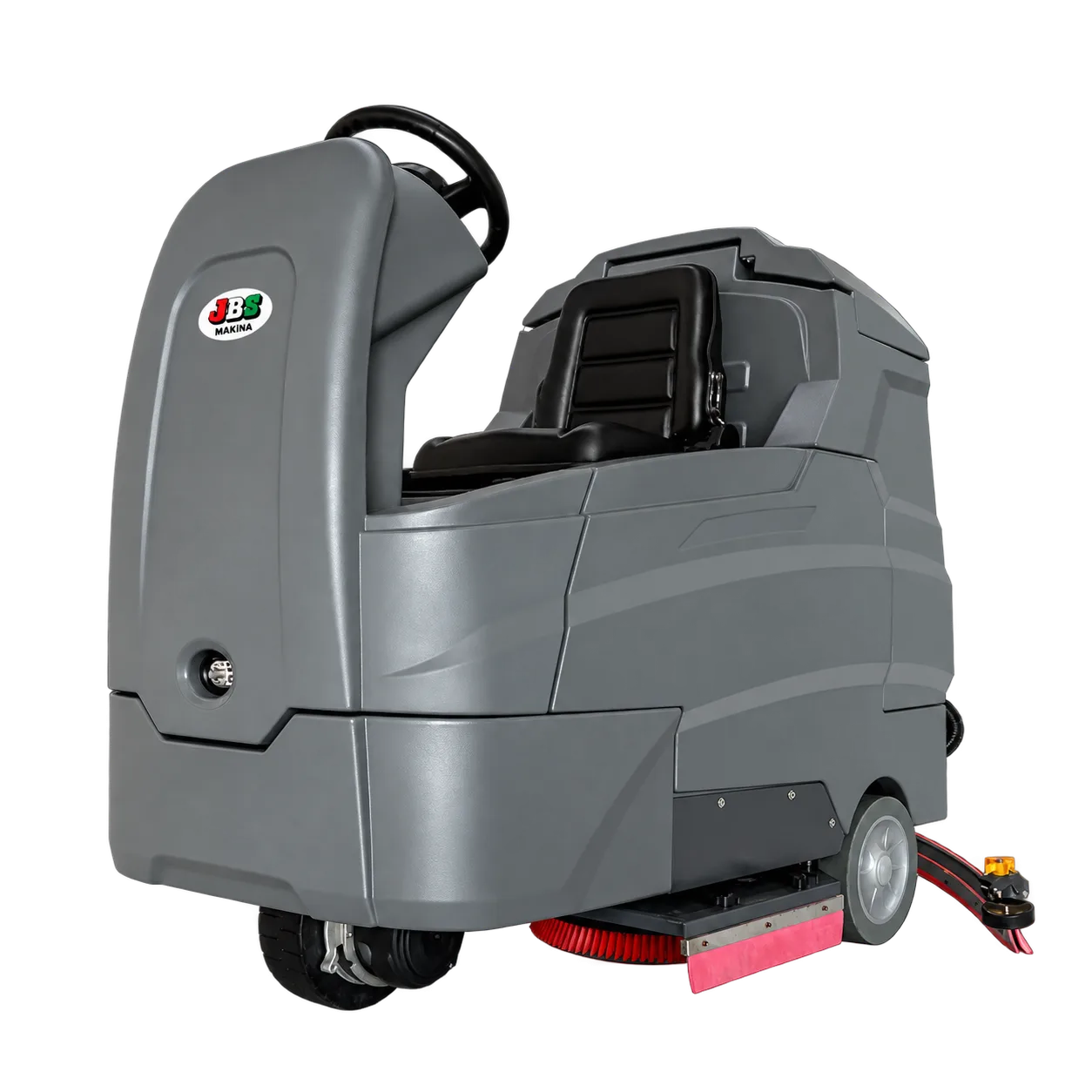
For scrubber dryers, match working width to access. Wider cleaning paths improve output in open areas but may become inefficient in narrow corridors.
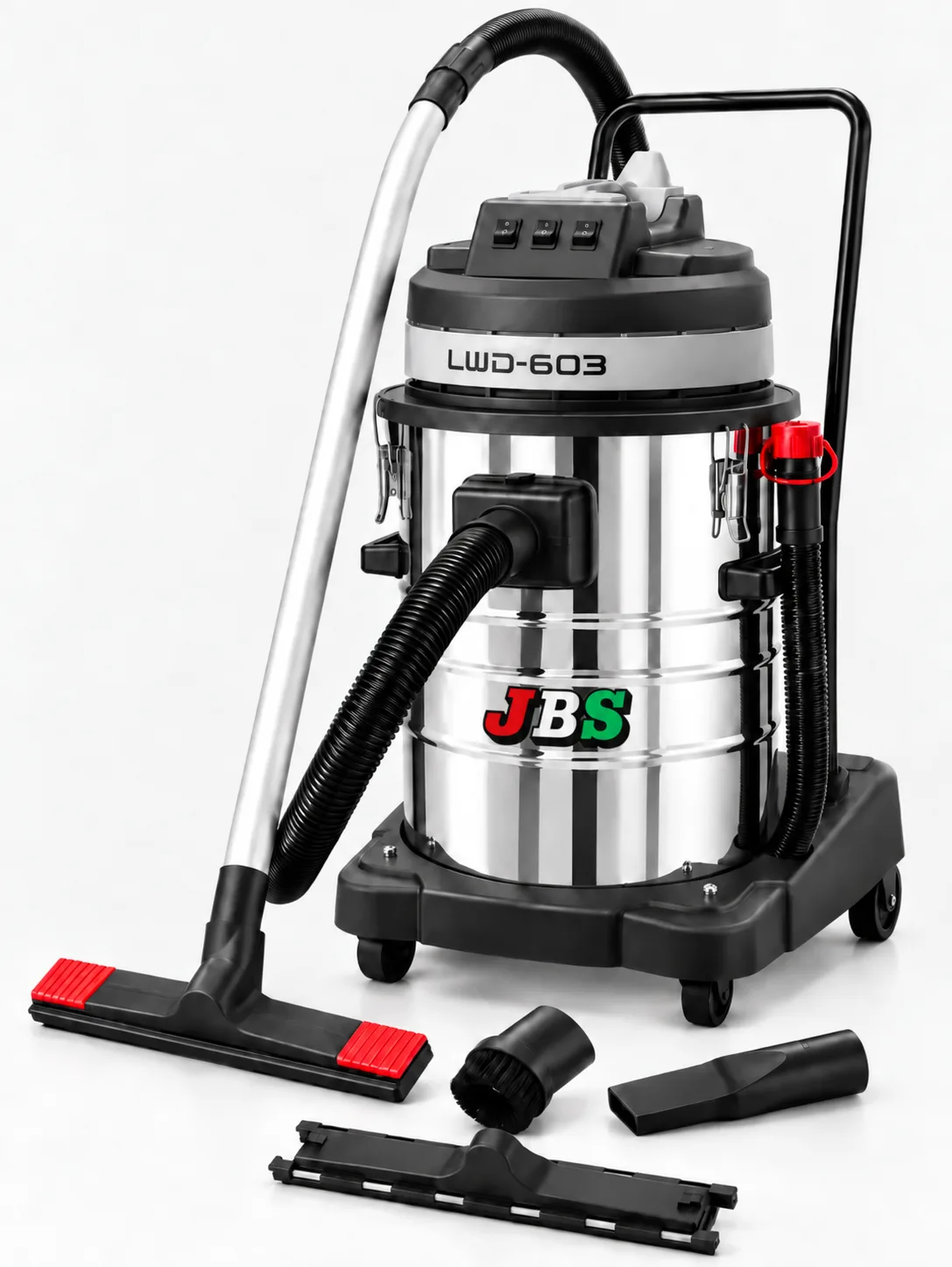
For wet & dry vacuums, assess suction and capacity together. Motor wattage alone does not define collection performance.
For carpet and upholstery extractors, consider moisture recovery. Solution pressure, vacuum performance and recovery capacity affect both cleaning quality and drying time.
Choose battery or mains power around the shift. Battery equipment offers mobility; mains equipment may suit fixed areas where continuous access to power is practical.
Calculate total cost of ownership. Brushes, pads, squeegee blades, filters, hoses, batteries and service availability should be included alongside the purchase price.
The right professional cleaning machine is the one that improves productivity without creating unnecessary capacity, maintenance or access problems.
Share your floor area, surface type, daily cleaning hours and required functions to request a JBS commercial quotation.