JBS Makina
Menu
Language

Car Wash Equipment Foam Tanks

Foam Tanks

JBS Makina foam tanks allow a mixture of water and car-wash chemicals to be applied to vehicle surfaces as dense, controlled foam in professional car wash businesses.

Products

60 Li̇tre Foam Tanki

Foam Tanks

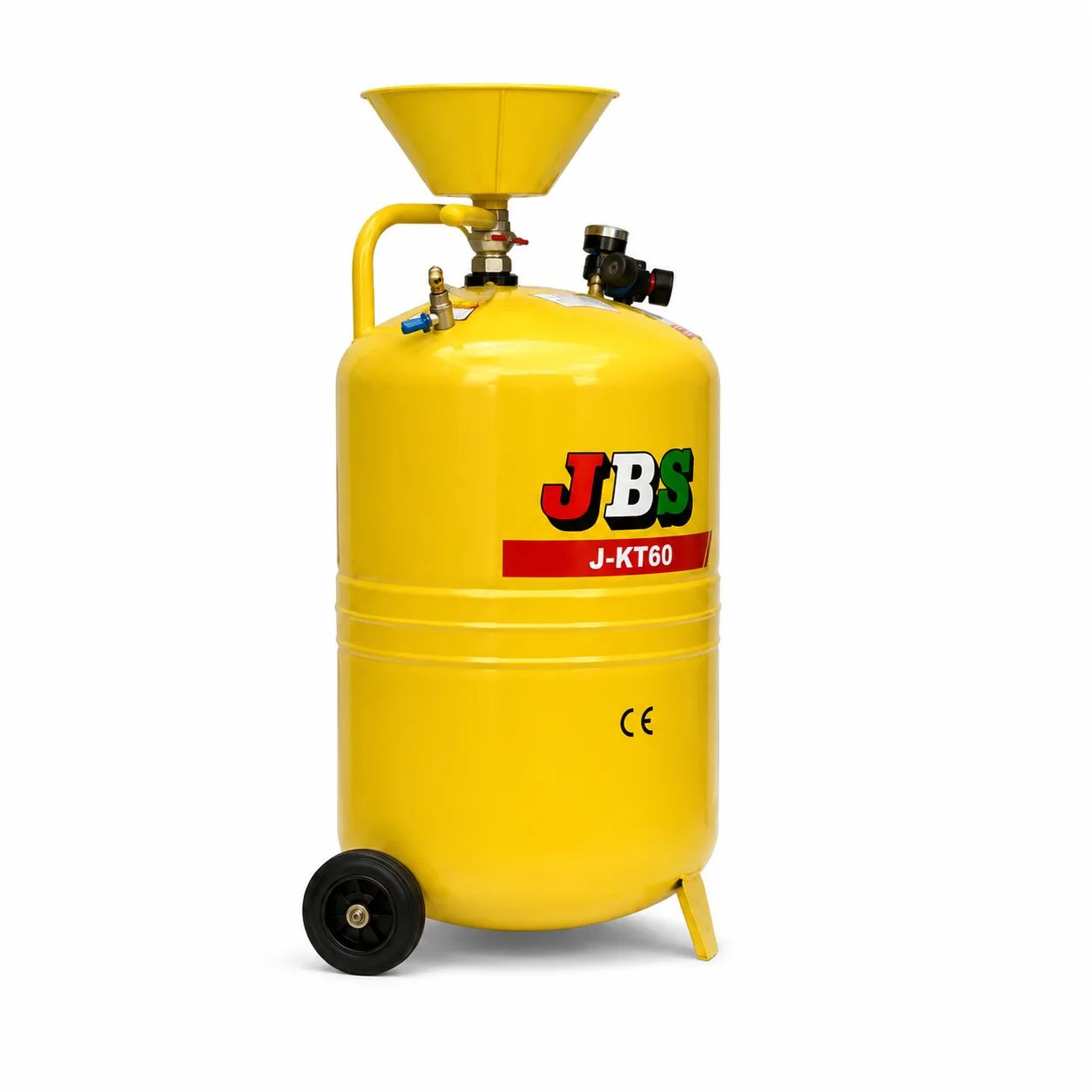
60 L Foam Tank J KT60

Model: J-KT60

The JBS J-KT60 is a 60-litre car wash foam tank designed to apply dense, even foam across vehicle surfaces in professional facilities. It operates at 5 bar and includes a 10-metre hose and trigger-controlled foam gun. Ideal for prewashing cars, commercial vehicles, minibuses and motorcycles, it helps loosen mud, dust, road grime and oily residues.

Details WhatsApp Quote
100 Li̇tre Foam Tanki

Foam Tanks

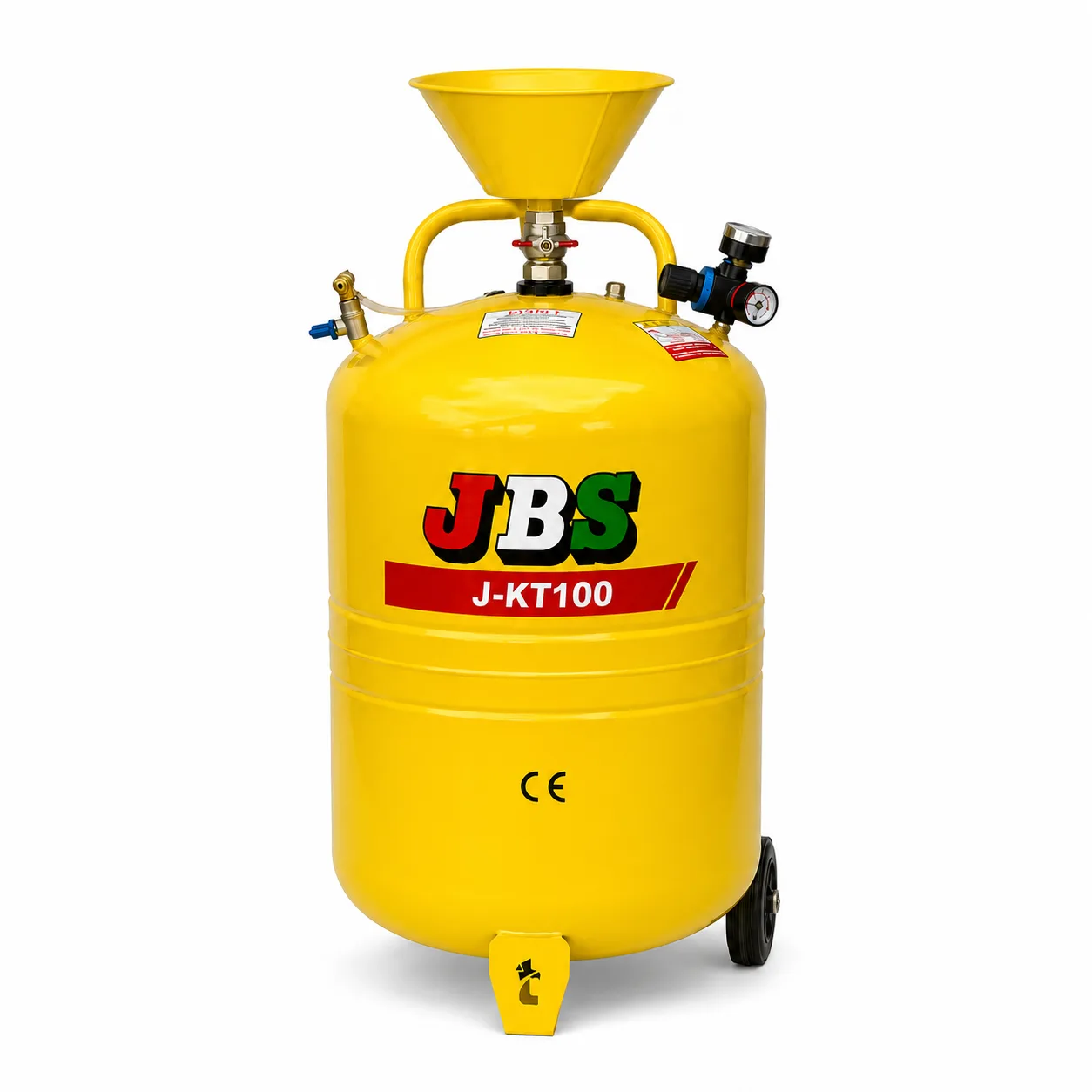
100 L Foam Tank J KT100

Model: J-KT100

The JBS J-KT100 is a 100-litre car wash foam tank designed to apply dense, even foam across vehicle surfaces in high-volume facilities. It operates at 5 bar and includes a 10-metre hose and trigger-controlled foam gun. Its large capacity reduces refilling frequency, supporting uninterrupted and efficient prewashing of cars, minibuses, vans and commercial vehicles.

Details WhatsApp Quote

Category Guide

Product Selection Guide and Technical Information

What Is a Foam Tank?

A foam tank is a professional cleaning device that uses compressed air to apply a mixture of water and professional car-wash chemicals to vehicle surfaces as foam.

Dense foam helps soften mud, dust, road grime, and residues adhering to the surface. This can make the main pressure-washing and rinsing processes more effective.

A foam tank does not produce pressurized water on its own. A suitable air compressor is required to operate the tank, while a pressure washer is needed for washing and rinsing.

JBS Foam Tank Models

Model Tank capacity Working pressure Hose length Gun
60 L Foam Tank J-KT60 60 L 5 bar 10 m Trigger-operated
100 L Foam Tank J-KT100 100 L 5 bar 10 m Trigger-operated

The inclusion of a safety valve, pressure gauge, pressure regulator, hose, foam gun, and connection fittings in the delivery package should be confirmed before ordering either model.

How Does a Foam Tank Work?

Water and car-wash shampoo are added to the tank in the proportions recommended by the manufacturer. Compressed air supplied by an air compressor pushes the mixture through the hose and foam gun onto the vehicle surface.

Foam density may vary according to the following factors:

  • Type and mixing ratio of the chemical
  • Air delivery of the compressor
  • Working pressure of the tank
  • Pressure-regulator setting
  • Design of the foam gun
  • Condition of the hose and connections
  • Application technique

The foam should not be allowed to dry on the vehicle surface. After the waiting time recommended for the chemical, the surface should be rinsed using suitable water pressure and flow.

The tank cap or connections must not be opened while the tank is pressurized. The pressure gauge, safety valve, regulator, hose, and connections should be inspected before use.

Applications

Foam tanks can be used in:

  • Professional car wash businesses
  • Car-care and detailing centers
  • Self-service car wash stations
  • Fuel stations
  • Vehicle service centers and dealerships
  • Car rental and fleet-maintenance businesses
  • Minibus, bus, and commercial-vehicle washing facilities
  • Motorcycle-washing facilities
  • Suitable industrial surface-cleaning applications

The selected chemical must be compatible with vehicle paintwork, plastic components, wheels, seals, and any other surfaces to which it will be applied.

Which Foam Tank Should You Choose?

The J-KT60 can be considered by businesses with low or moderate daily vehicle volumes that require a more compact foam tank for their working area.

The J-KT100 is intended for businesses with higher daily vehicle volumes or those that want to refill the foam mixture less frequently during operation. Its larger capacity can support longer operation with a single fill.

Both models have a working pressure of 5 bar, a 10-meter hose, and a trigger-operated foam gun. Selection should therefore be based primarily on daily foam consumption, refill frequency, available space, and mobility requirements.

A larger tank does not improve foam quality on its own. Foam performance depends on the correct combination of chemical concentration, air capacity, pressure setting, and gun configuration.

What Should You Consider When Buying a Foam Tank?

The following factors should be evaluated before purchasing:

  • Daily vehicle-washing volume
  • Tank capacity
  • Working pressure
  • Actual air delivery of the compressor
  • Compressor receiver capacity
  • Hose length and pressure rating
  • Type of foam gun
  • Pressure regulator and pressure gauge
  • Availability of a safety valve
  • Durability of the tank and connection materials
  • Chemical compatibility
  • Ease of filling and draining
  • Machine dimensions and mobility
  • Cleaning and periodic-maintenance requirements
  • Technical service and spare-parts support

A foam tank should not be selected solely according to its capacity or purchase price. Compressor compatibility, safety equipment, hose and gun quality, daily operating intensity, and delivery scope should be evaluated together.

Safe Operation and Maintenance

A foam tank is pressurized equipment. The safety valve must not be disabled, and the working pressure specified by the manufacturer must not be exceeded.

After each use, the tank, hose, and gun should be rinsed with clean water. Leaving chemical residues inside the system for extended periods may shorten the service life of seals, hoses, valves, and connections.

Operation should not continue with damaged hoses, loose connections, or malfunctioning safety equipment. Periodic inspections should be carried out according to the manufacturer’s operating and maintenance instructions.

Foam Tank Prices

Foam tank prices vary according to tank capacity, body construction, working pressure, hose length, foam gun, safety equipment, connection fittings, and standard delivery scope.

Share your daily vehicle volume, existing air-compressor capacity, and required accessories with JBS Makina to receive a current quotation for the appropriate model.

To compare all models, visit foam tanks.
Foam Tanks Use Cases

  • Car Wash Businesses - Foam tanks apply dense foam to vehicle exterior surfaces. They help soften dirt on body panels, wheels, bumpers, wheel arches and underbody areas, improving the effectiveness of the pre-wash stage in professional car wash centers.
  • Self-Service Wash Areas - Foam tanks can be integrated into coin- or card-operated self-service systems.
  • Fleet Washing Facilities - Suitable for foaming large surfaces on minibuses, vans, shuttle vehicles, light commercial vehicles and fleet vehicles.
  • Vehicle Service Centers - Can be used before maintenance or vehicle delivery to soften dust, road dirt, light oil residue and surface contamination, helping the subsequent pressure-washing stage work more efficiently.
  • Car Dealerships and Rental Companies - Regular foam application helps vehicles prepared for sale or rental look cleaner and better maintained, supporting a more professional presentation to customers.

Foam Tanks Advantages

  • Dense and Even Foam Application - Foam tanks help distribute thick, consistent foam across body panels, wheels, bumpers, wheel arches and underbody areas so accumulated dirt can soften before rinsing.
  • Improves Pre-Wash Performance - Dust, mud, road dirt and light oil residue loosen during the foaming stage, making pressure-water rinsing more effective and practical.
  • More Controlled Chemical Use - The tank distributes cleaning chemical more evenly. With the correct dilution ratio, cleaning performance can improve while unnecessary chemical consumption is reduced.
  • Suitable for Different Vehicle Types - Can be used on passenger cars, commercial vehicles, minibuses, vans, fleet vehicles and motorcycles, helping keep the cleaning process organized on large surfaces.
  • Compatible with Self-Service Systems - Foam tanks can be integrated with coin, card or QR-code self-service car wash systems, allowing users to control the foaming stage themselves.

Buying Guide

When selecting a foam tank, factors such as the number of vehicles washed daily, foam consumption, refill frequency, working area, and the capacity of the existing air compressor should be evaluated together.

The J-KT60 is a more compact option suitable for businesses with low to medium washing volume. The J-KT100 is designed for operations with a high number of daily vehicles and for those who prefer less frequent refilling of the foam mixture.

Before purchasing, the following features should be checked:

  • Tank capacity
  • Working pressure
  • Air flow rate and tank volume of the compressor
  • Hose length and pressure resistance
  • Foam gun design
  • Safety valve
  • Pressure gauge and pressure regulator
  • Chemical compatibility of the tank, seals, and hoses
  • Connection parts and delivery scope
  • Cleaning and periodic maintenance requirements
  • Technical service and spare parts support

Tank capacity alone does not determine foam quality. The chemical mixing ratio, air pressure, compressor capacity, gun adjustment, and equipment maintenance directly affect foam performance.

In pressurized systems, safety components must be checked regularly, and the manufacturer’s specified working pressure must not be exceeded. By sharing your daily vehicle volume and the technical specifications of your existing compressor with JBS Makina, you can receive an up-to-date quotation for the most suitable tank capacity and equipment configuration.

Related Links

Frequently Asked Questions

How Should You Choose Between a 60-Litre and 100-Litre Foam Tank?

The choice should be based on daily vehicle volume, foam consumption, refill frequency, and workspace conditions.

Can Every Chemical Be Used in a Foam Tank?

Professional chemicals compatible with the tank, seals, and hose materials should be used.

Which Safety Components Are Important on a Foam Tank?

The safety valve, pressure gauge, regulator, and secure connections should be checked regularly.

Choose the Right Tank Capacity for Your Business

Share your daily vehicle volume and foam consumption to receive a quotation for the appropriate tank capacity.

Request a Quote

Request a Quote

Request a quote for Foam Tanks

Tell us what you need and our sales team will recommend the right model, capacity and equipment for your application.