JBS Makina car wash equipment includes foam tanks and pressure washer pumps that support foam application and pressurized-water production in professional vehicle-washing systems.
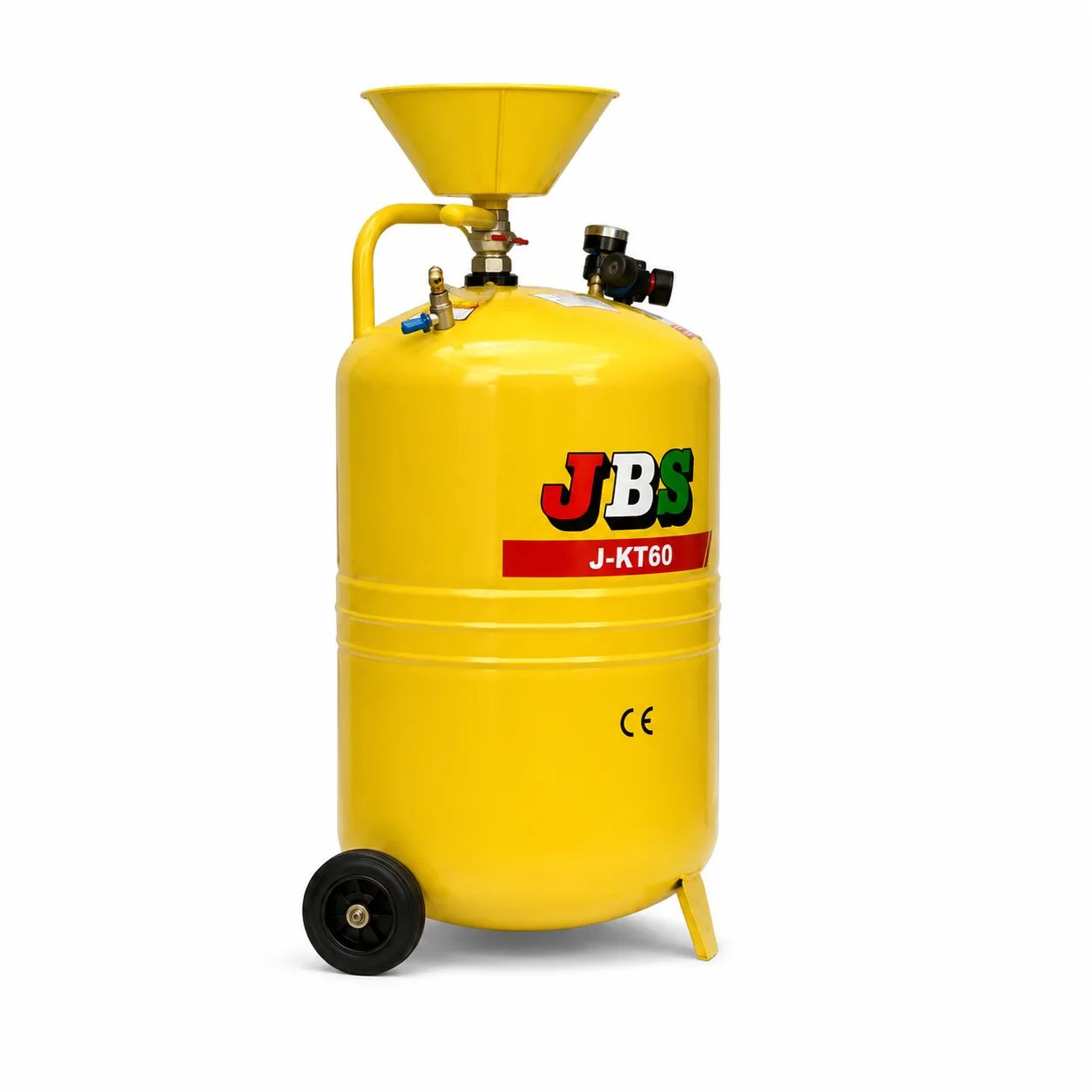
The JBS J-KT60 is a 60-litre car wash foam tank designed to apply dense, even foam across vehicle surfaces in professional facilities. It operates at 5 bar and includes a 10-metre hose and trigger-controlled foam gun. Ideal for prewashing cars, commercial vehicles, minibuses and motorcycles, it helps loosen mud, dust, road grime and oily residues.
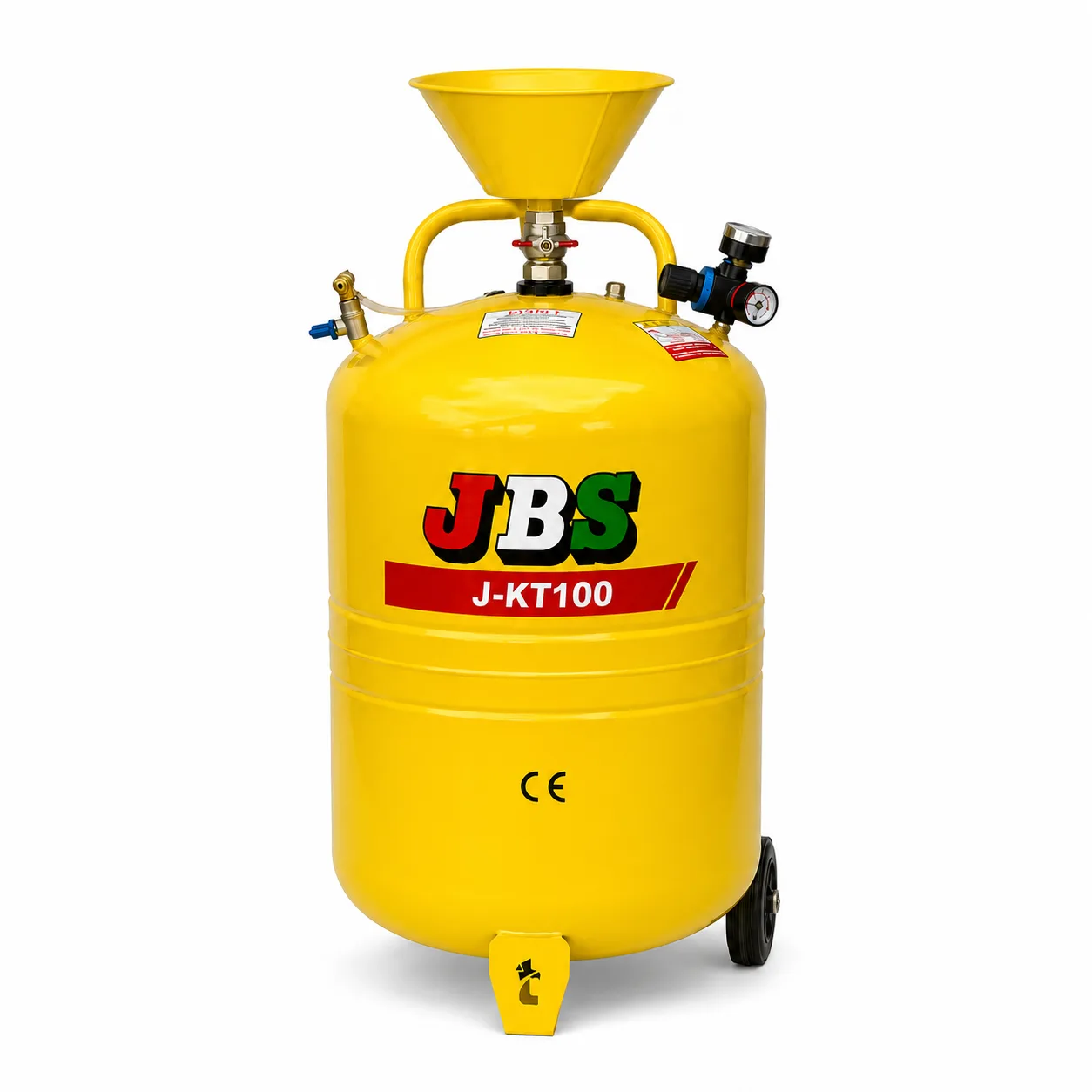
The JBS J-KT100 is a 100-litre car wash foam tank designed to apply dense, even foam across vehicle surfaces in high-volume facilities. It operates at 5 bar and includes a 10-metre hose and trigger-controlled foam gun. Its large capacity reduces refilling frequency, supporting uninterrupted and efficient prewashing of cars, minibuses, vans and commercial vehicles.
The JBS J-KKM is a professional car interior dryer designed to accelerate drying after seat and upholstery cleaning. Its 1.1 kW blower motor works with four 1,800 W heating elements, offering a 0–120°C adjustable temperature range and optional 220/380 V power. The directed-air system and 10 m hose distribute warm airflow across seats, carpets, mats, luggage compartments and other interior textiles.
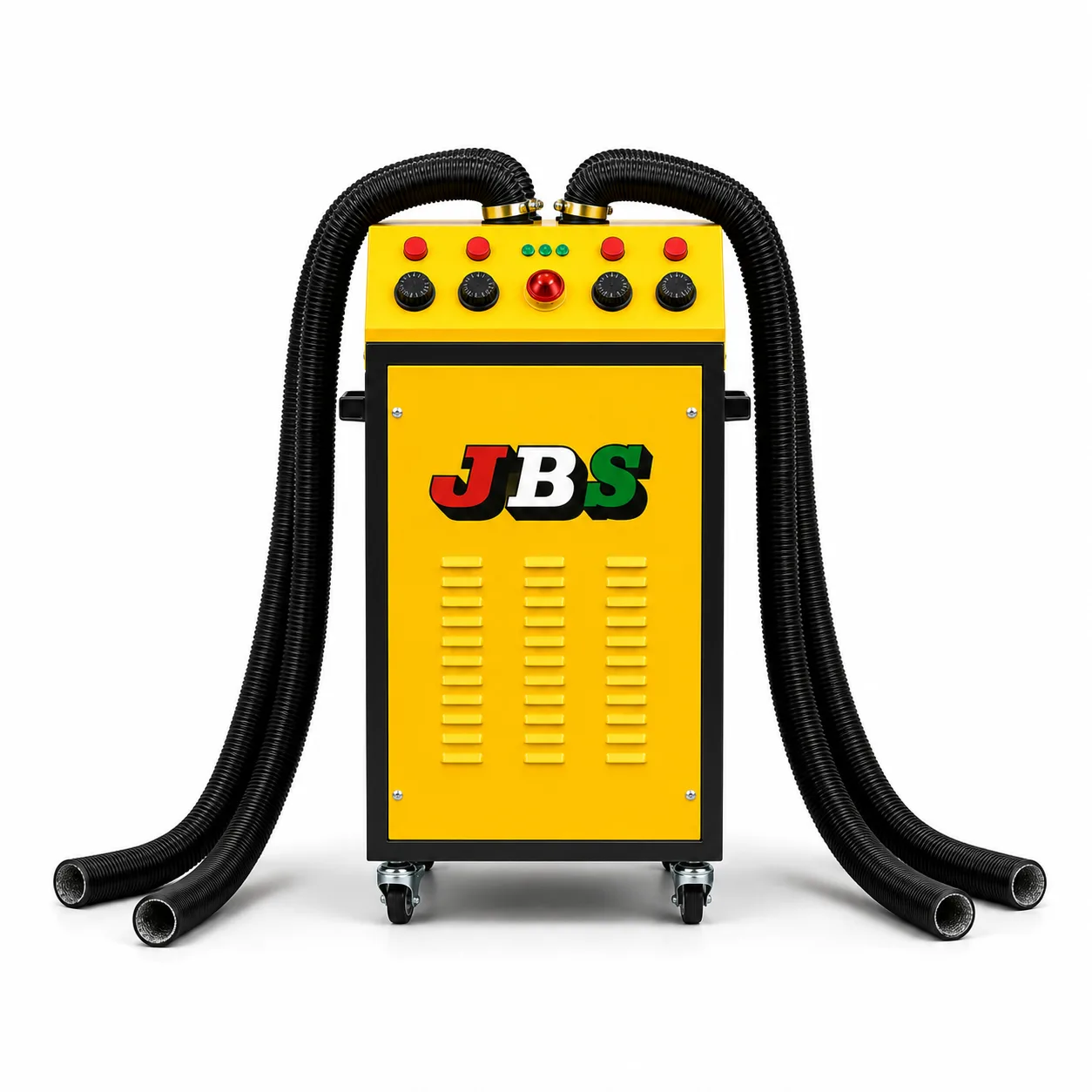
The JBS J-AHT200 is a professional four-arm hot air generator designed to accelerate drying of car seats, carpets and upholstery after cleaning. It features a thermostat-controlled temperature range of 0–120°C, four 2,000 W heating elements, a 0.37 kW blower motor and 40 A operation. Four separate air arms direct heat to multiple surfaces, reducing drying times in car washes and detailing centres.
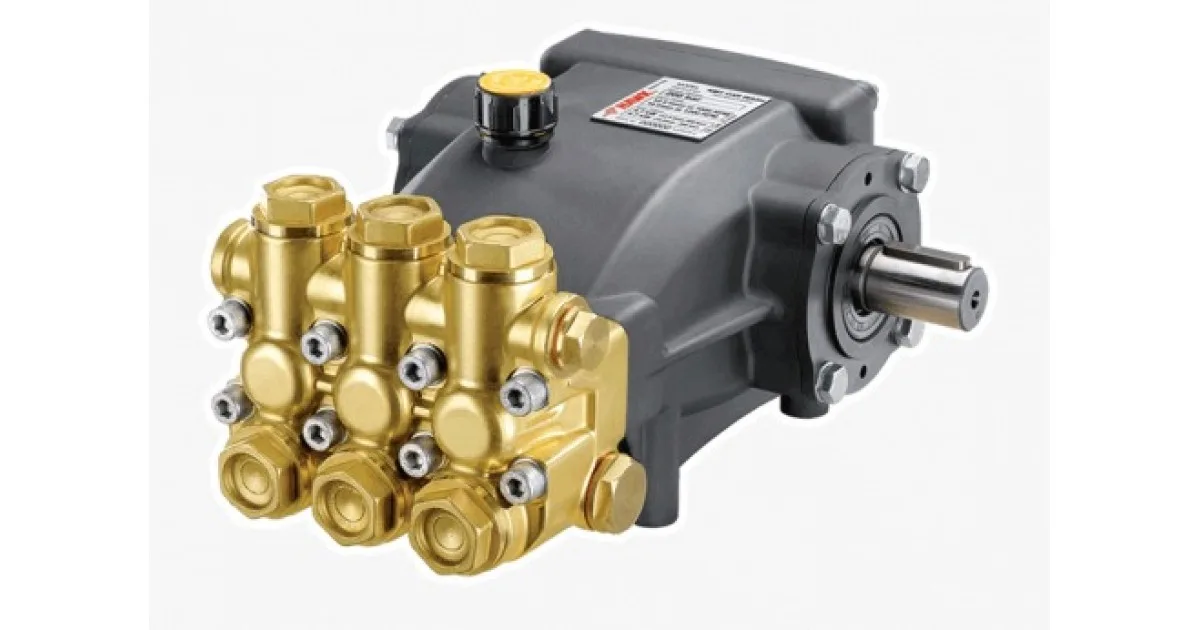
The HAWK NHDP 200 high-pressure washer pump is an Italian-made professional piston pump designed for car wash and pressure washing systems. With a maximum pressure of 200 bar, multiple flow-rate options, ceramic plungers and a brass pump head, it is suitable for professional cleaning applications.
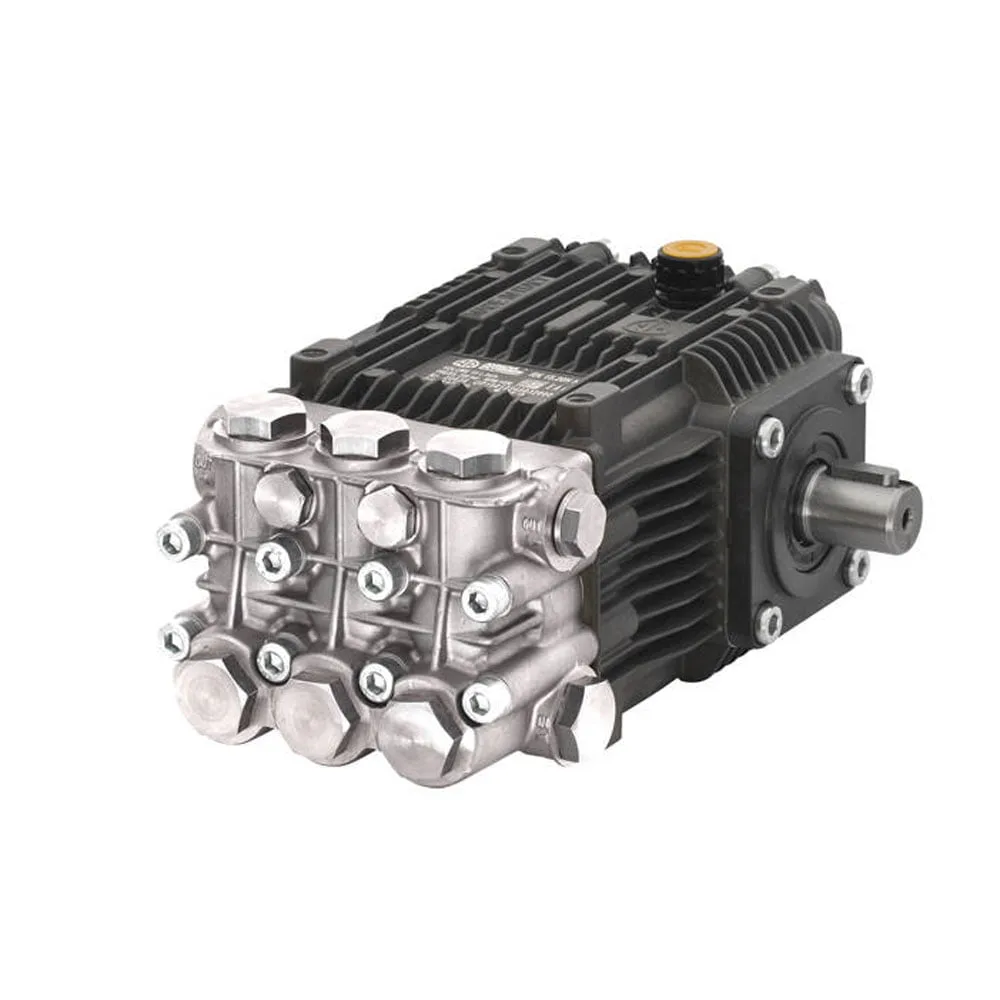
The Annovi Reverberi (AR) pressure washer pump is an Italian-made professional pump solution for car wash machines and high-pressure cleaning systems. Its ceramic piston construction, brass pump head and professional design make it suitable for commercial vehicle washing and industrial cleaning applications.
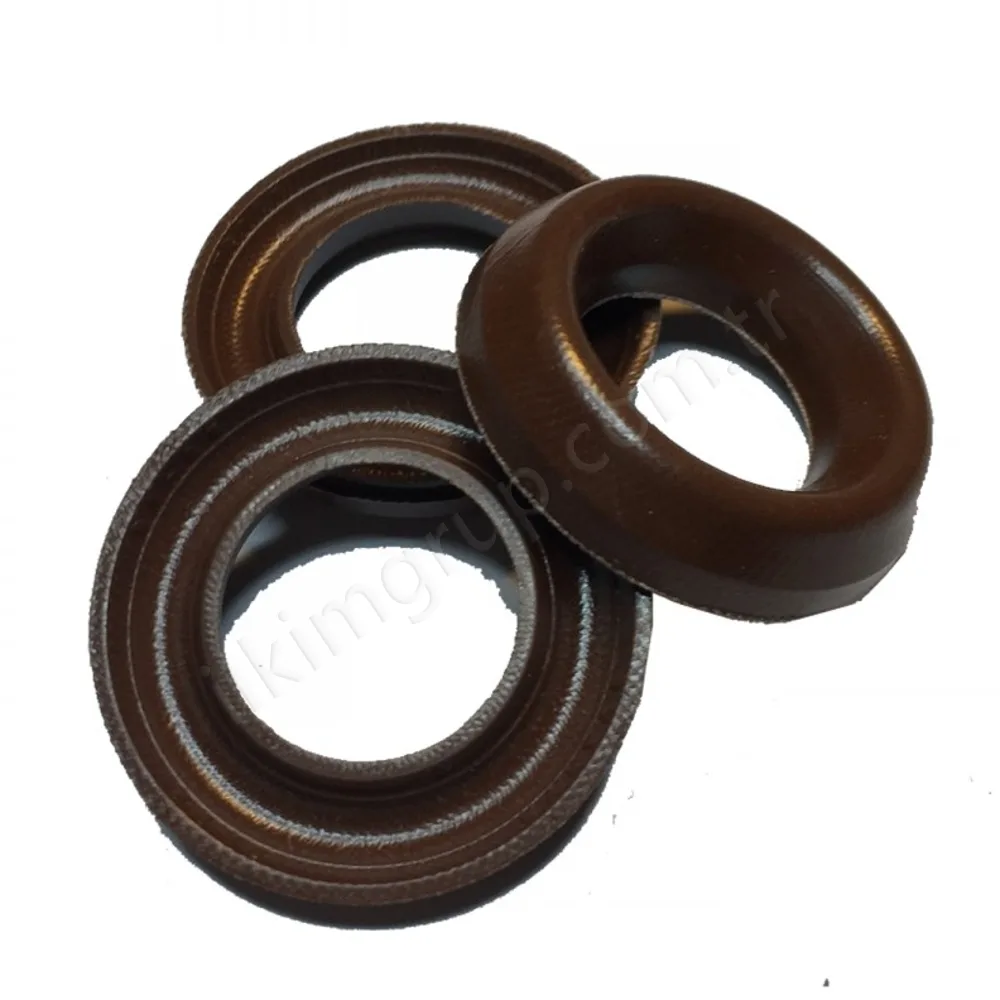
The Pressure Washer Pump Spare Parts JBS-YP is designed for reliable pressure generation, maintenance and repair of professional pressure-washing systems and is supplied by JBS Makina for professional use.
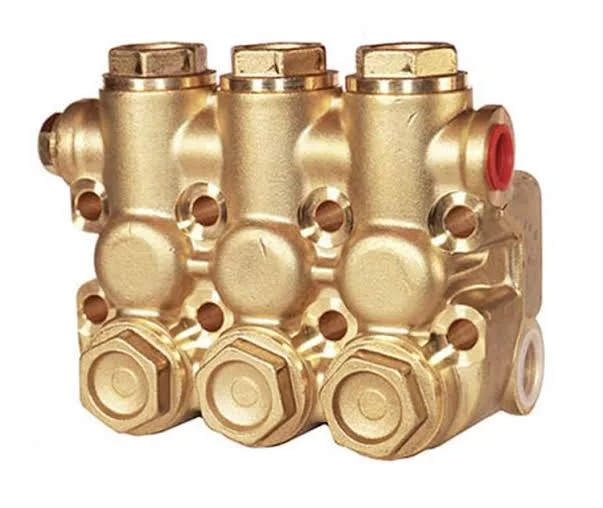
HAWK 9.853-747.0 bare pump manifold for compatible NMT/NPM high-pressure pumps. Designed for professional pressure washer pump repair and overhaul applications.
Car wash equipment consists of professional auxiliary products that support the foam-application and pressurized-water functions of the main washing machines.
Foam tanks allow a mixture of water and car-wash chemical to be applied to vehicle surfaces in a controlled manner. Pressure washer pumps use mechanical power from the motor to pressurize water and deliver it to the spray-gun and nozzle system.
Complete pumps and pump spare parts such as seals, valves, and pistons are not the same product group. The technical specifications and connection configuration of the existing machine must be considered when selecting equipment.
An air compressor with suitable capacity must be used to operate both foam tanks safely and efficiently. The inclusion of a safety valve, pressure gauge, regulator, hose, and connection fittings should be confirmed before ordering.
The maximum pressure, required motor power, and weight stated in the AR Annovi Reverberi product description differ from those listed in its current technical table. The exact pump model, maximum working pressure, required motor power, shaft configuration, and connection dimensions should be confirmed before ordering.
How Does Car Wash Equipment Work?
A suitable amount of water and car-wash shampoo is added to the foam tank. Compressed air supplied by an air compressor pushes the prepared mixture through the hose and foam gun onto the vehicle surface.
A pressure washer pump is driven by a motor. It draws water from the inlet and delivers it to the spray-gun and nozzle system at the specified pressure and flow rate.
The pump must not be operated without water. The inlet filter should be cleaned regularly, and sandy or sediment-contaminated water must be prevented from reaching the pump. Only professional chemicals compatible with the tank, seals, and hose materials should be used in the foam tank.
Applications
Car wash equipment can be used in:
Professional car wash businesses
Car-care and detailing centers
Self-service car wash stations
Fuel stations
Vehicle service centers and dealerships
Car rental and fleet-maintenance facilities
Minibus, bus, and commercial-vehicle washing
Factories and industrial cleaning areas
Equipment should be selected according to vehicle type, daily washing volume, level of contamination, and operating time.
Which Car Wash Equipment Should You Choose?
The J-KT60 can be considered by businesses with low or moderate workloads that require a more compact foam tank.
The J-KT100 is intended for businesses with higher daily vehicle volumes that want to reduce the number of foam-mixture refills during operation.
With a flow rate of 30 L/min and a maximum pressure of 200 bar, the HAWK NHDP-200 can be considered for professional systems that require a higher water flow.
The current technical table lists the AR Annovi Reverberi pump with a flow rate of 15 L/min and a maximum pressure of 275 bar. However, because of the differences in the available technical data, system compatibility should be verified before ordering.
What Should You Consider When Buying Car Wash Equipment?
The following factors should be evaluated before purchasing:
Daily vehicle-washing volume
Vehicle type and level of contamination
Number of washing bays
Required working pressure and water flow rate
Foam-tank capacity
Air-compressor flow rate and receiver capacity
Pump compatibility with the motor and rotational speed
Shaft, coupling, and connection dimensions
Water-supply capacity and filtration system
Hose length and pressure rating
Spray-gun and nozzle options
Chemical compatibility with the equipment
Safety valve, pressure gauge, and regulator
Maintenance and spare-parts availability
Technical service support
Equipment should not be selected solely according to maximum pressure or purchase price. Water flow, pump quality, motor compatibility, daily operating time, and maintenance costs should be evaluated together.
Car Wash Equipment Prices
Car wash equipment prices vary according to tank capacity, pump brand, working pressure, water flow rate, included hoses and spray guns, connection fittings, and delivery scope.
Share the make and model of your existing machine, daily vehicle volume, and electrical and water infrastructure with JBS Makina to receive a current quotation for compatible equipment.
When selecting car wash equipment, daily vehicle volume, services to be offered, number of wash stations, and existing water, electricity, and compressed air infrastructure should all be evaluated together.
In a basic car wash business, a pressure washer, foam tank, air compressor, wet & dry vacuum cleaner, hose, gun, and nozzle can meet essential needs. Upholstery cleaning, steam cleaning, and vehicle drying equipment can be added depending on the service scope.
Foam Tank Selection
Foam tank capacity should be determined based on the daily number of vehicles.
100 L Foam Tank J-KT100, is suitable for businesses washing more vehicles and aiming to reduce refill intervals.
Both models operate at 5 bar working pressure and include a 10-meter hose and trigger-controlled foam gun. The air compressor used must have suitable tank capacity and airflow for the foam system.
Pump operating pressure, water flow rate, RPM, shaft and coupling structure, motor power, connection dimensions, and compatibility with the existing machine must be checked. Incorrect pump selection may lead to low performance, overload issues, or connection problems.
What to Check Before Purchasing
Daily number of vehicles to be washed
Number of wash stations and machines operating simultaneously
Passenger, commercial, or heavy-duty vehicle washing requirements
Required operating pressure and water flow rate
Pump, motor, and coupling compatibility
Foam tank capacity
Compressor air flow and tank volume
Electrical, water, and drainage infrastructure
Hose length and working pressure
Gun, nozzle, and connection dimensions
Compatibility of chemicals with equipment
Safety valve, pressure gauge, and regulator
Ease of maintenance
Technical service and spare parts support
Car wash equipment should not be selected based solely on purchase price or maximum pressure values. Pump quality, actual water flow, daily operating time, energy consumption, and maintenance costs must be evaluated together.
You can share your machine model, daily vehicle volume, and existing infrastructure with JBS Makina to receive technical guidance and up-to-date pricing for compatible equipment.
Which washing machine is suitable for car wash businesses?
For car wash businesses, the most suitable washing machine depends on daily vehicle volume, service type, available space, and budget. Professional pressure washers, steam cleaners, self-service wash systems, or automatic car wash machines can be preferred depending on the operation. For intensive commercial use, durability, stable pressure, high water flow, energy efficiency, easy maintenance, and reliable after-sales support are especially important.
Which Safety Components Are Important on a Foam Tank?
The safety valve, pressure gauge, regulator, and secure connections should be checked regularly.
How much does it cost to open a car wash in 2026?
The cost of opening a standard professional car wash in a rented shop can range from approximately TRY 1,000,000 to TRY 3,000,000. The amount of renovation required and the machines selected determine the total budget.
How much do car wash machines and equipment cost?
A budget of approximately TRY 150,000–500,000 may be allocated for a pressure washer, foam tank, compressor, vacuum cleaner, and auxiliary equipment. The cost increases when steam, seat-cleaning, and drying machines are added.
Is a license required to open a car wash?
Yes. Operations should not begin before obtaining a business opening and operating license from the authorized municipality. Required physical conditions and documents may vary by municipality.
Is It Sensible to Buy a Low-Cost Car Wash Machine?
It may be suitable for low-intensity use. However, professional businesses must check pump quality, water flow rate, service support, and operating capacity.
What equipment is required when purchasing a car wash system?
The equipment required for a car wash system depends on the type of operation and service capacity. Common components include a pressure washer, water tank, water pump, vacuum cleaner, air compressor, foam and chemical dosing systems, hoses, spray guns, water treatment or recycling units, and electrical control equipment. Depending on the project, payment systems, steam cleaners, spot-free rinse systems, and drying equipment may also be required.
What Machines Are Needed to Open a Car Wash?
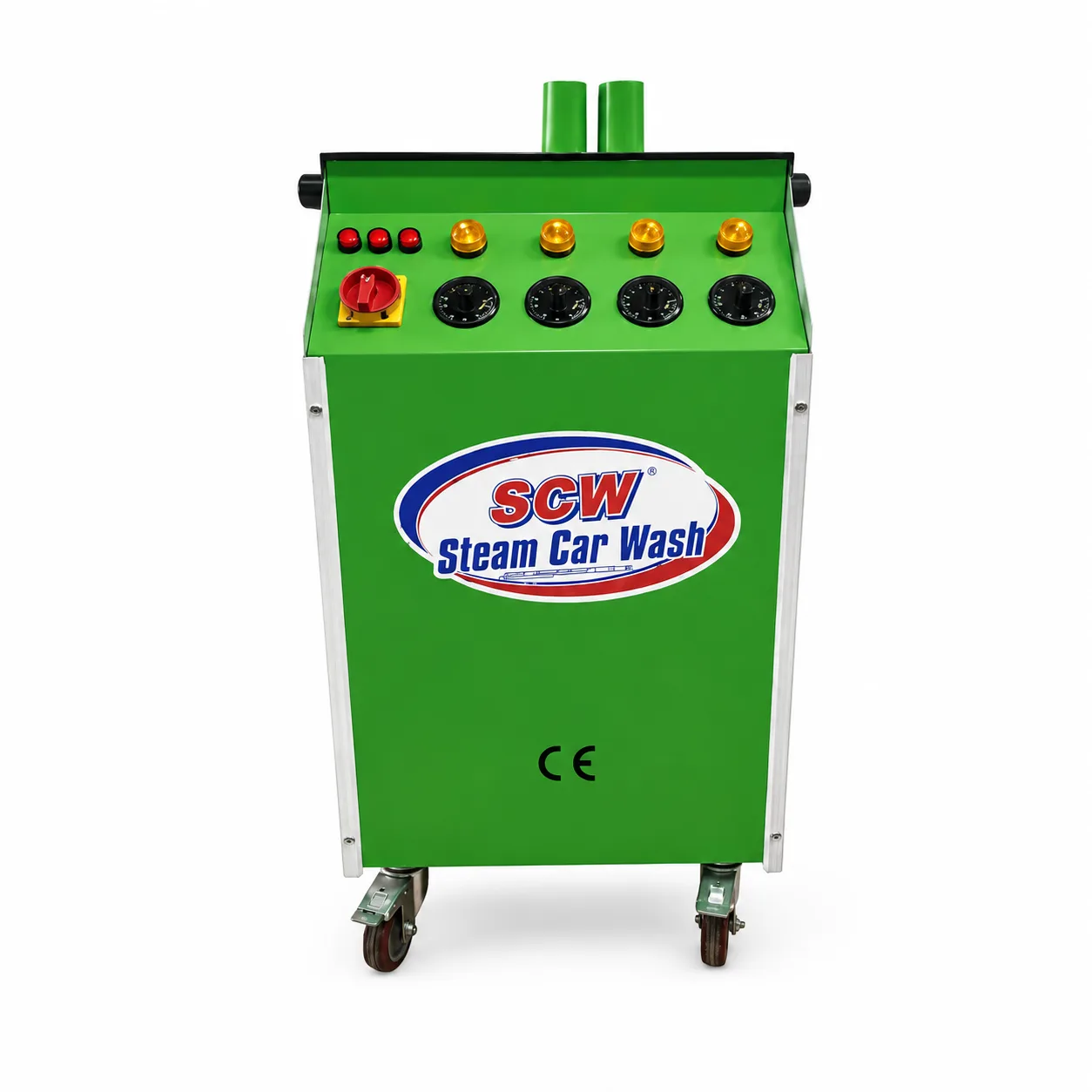
To open a professional car wash, you may need pressure washers, steam car wash machines, vacuum cleaners, foam tanks, air compressors, water treatment systems and detailing equipment depending on your business model.
Find the Right Equipment for Your System
Share your machine model and requirement to receive technical information and a quotation for compatible equipment.