How to Select Pressure Washer Pump Spare Parts
Identify the exact pump first. Record the manufacturer, model, series, serial number and part number from the identification plate.
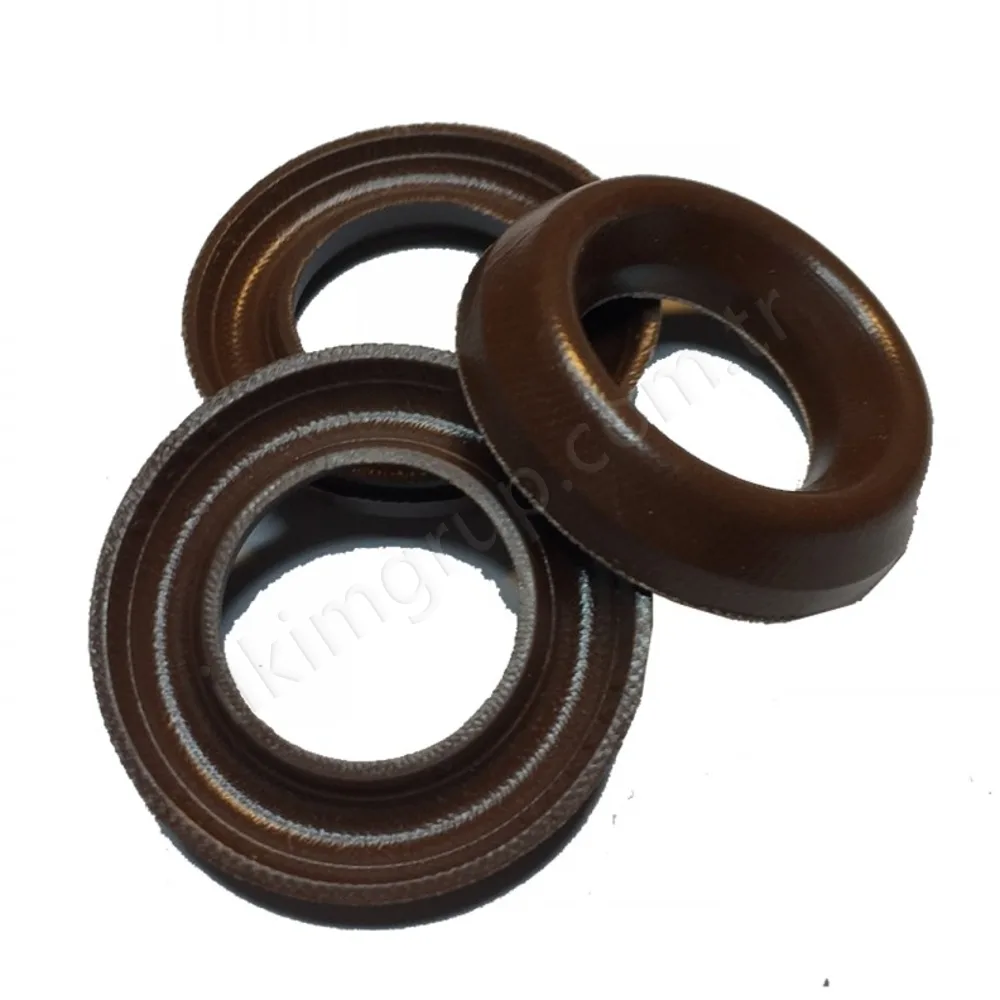
Do not buy seals by appearance alone. Measure the removed component and confirm plunger diameter and manufacturer reference.
Diagnose low pressure correctly. Inspect valves, seals, plungers, water supply and unloader operation before assuming one component is responsible.
Inspect ceramic plungers. Cracks, scratches or surface damage can quickly destroy new seals.
Check complete valve assemblies. Pulsation and unstable pressure can indicate valve contamination, wear or damage.
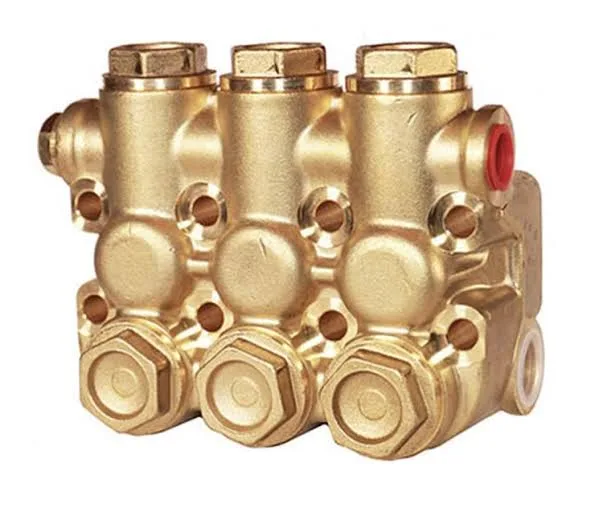
Inspect the manifold or pump head. Cracks, erosion or damaged sealing surfaces may require manifold replacement rather than another seal kit.
Use clean inlet water. Abrasive contamination shortens the service life of plungers, valves and seals.
Depressurise before service. Isolate power and fully release system pressure before opening or dismantling the pump.
Compare rebuild cost with replacement cost. When several major components are damaged, a complete professional pump may provide better lifecycle value.
The correct spare part is the one matched by pump model, series, measurements and manufacturer reference—not simply one that looks similar.
Send your pump nameplate details, fault description and photos to request JBS technical support and a quotation.