How to Select a Replacement Pressure Washer Pump
Start with the existing pump nameplate. Record manufacturer, exact model, rated pressure, flow, RPM and any part numbers before searching for a replacement.
Compare flow and pressure together. More PSI does not compensate for inadequate water flow. Select around the cleaning task and expected throughput.
Calculate the required motor power. The drive must be capable of delivering the pump’s required power at the selected pressure and flow without continuous overload.
Match pump RPM. A pump rated at 1450 rpm should not automatically be treated as interchangeable with a differently rated pump. Changing shaft speed changes pump flow.
Confirm shaft compatibility. Check shaft diameter, keyway, rotation, coupling and mounting arrangement.
Check the unloader and nozzle. The pump, pressure regulator, hose, spray gun and nozzle must operate as one hydraulic system.
Review inlet-water conditions. Adequate supply flow and clean, filtered water help protect valves, seals and ceramic plungers.
Consider temperature and chemical compatibility. Hot-water and specialist applications may require pump materials and seals designed for those operating conditions.
Assess rebuildability and parts support. Professional pumps are working assets. Seals, valves, plungers, manifolds and unloaders should be serviceable and obtainable.
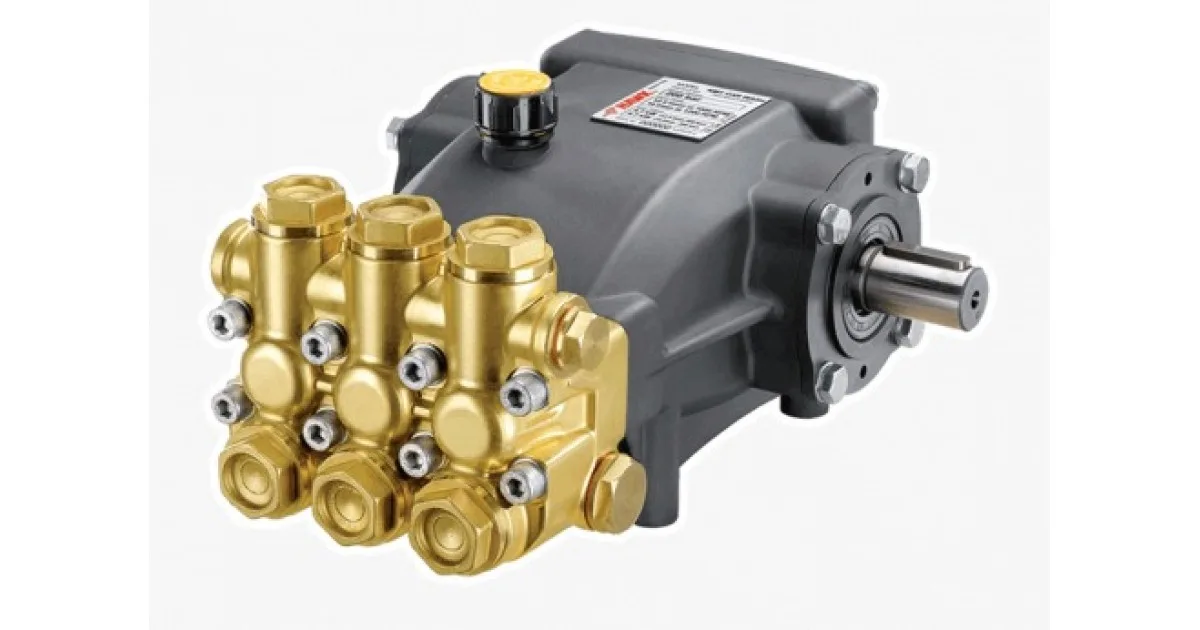
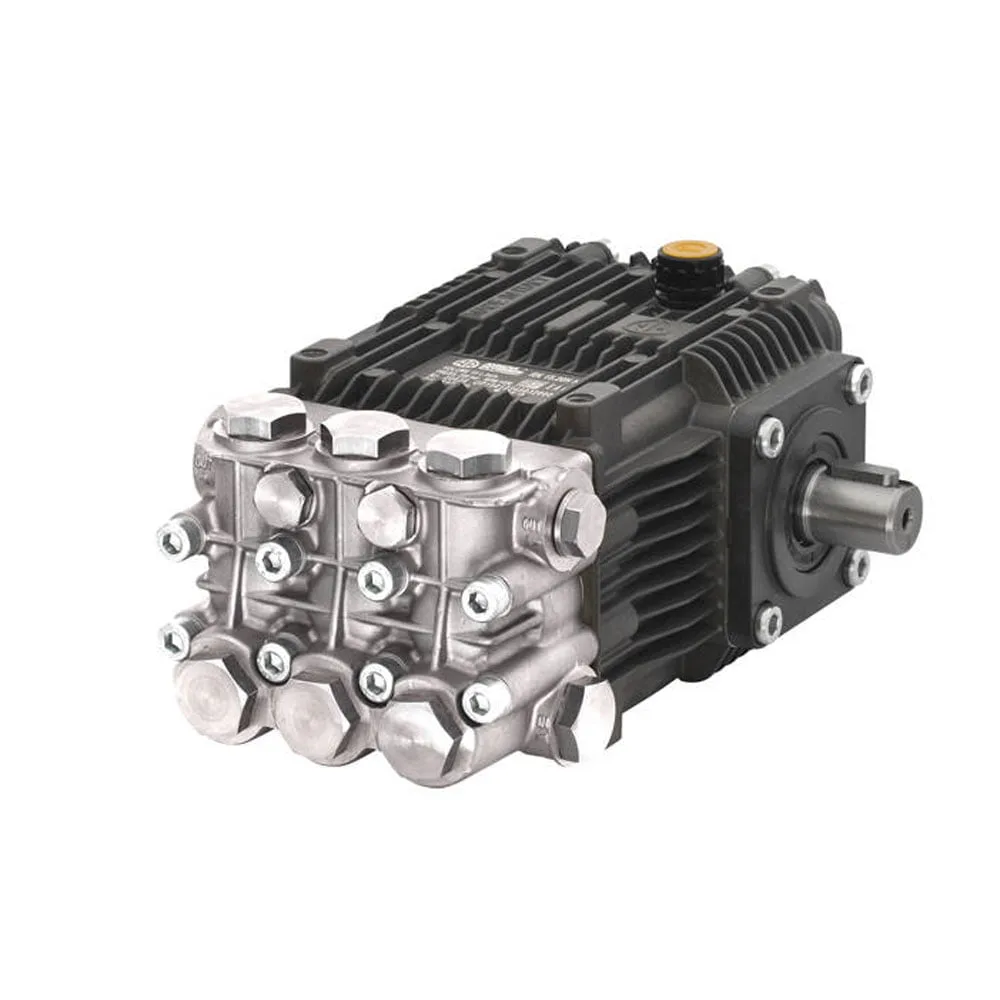
Do not buy on brand alone. HAWK and Annovi Reverberi both offer professional pump technology; the technically correct option is the one that matches the machine and duty profile.
The right pressure washer pump is the one whose flow, pressure, RPM, shaft and power requirement match the complete system.
Share your existing pump label, motor specification and required pressure/flow to request a technical JBS quotation.