What Is a Hot-Air Generator?
Hot-air generators are professional drying machines that produce controlled heated air through electric heating elements and a fan system.
By directing heated air toward damp textile surfaces after vehicle-interior and seat cleaning, they help reduce drying time. They can support faster vehicle turnaround in car washes, detailing centers, and professional cleaning businesses.
A hot-air generator does not wash or extract water on its own. Before drying, as much dirty water as possible should be removed with a suitable extraction machine or wet-and-dry vacuum cleaner.
JBS Hot-Air Generator Models
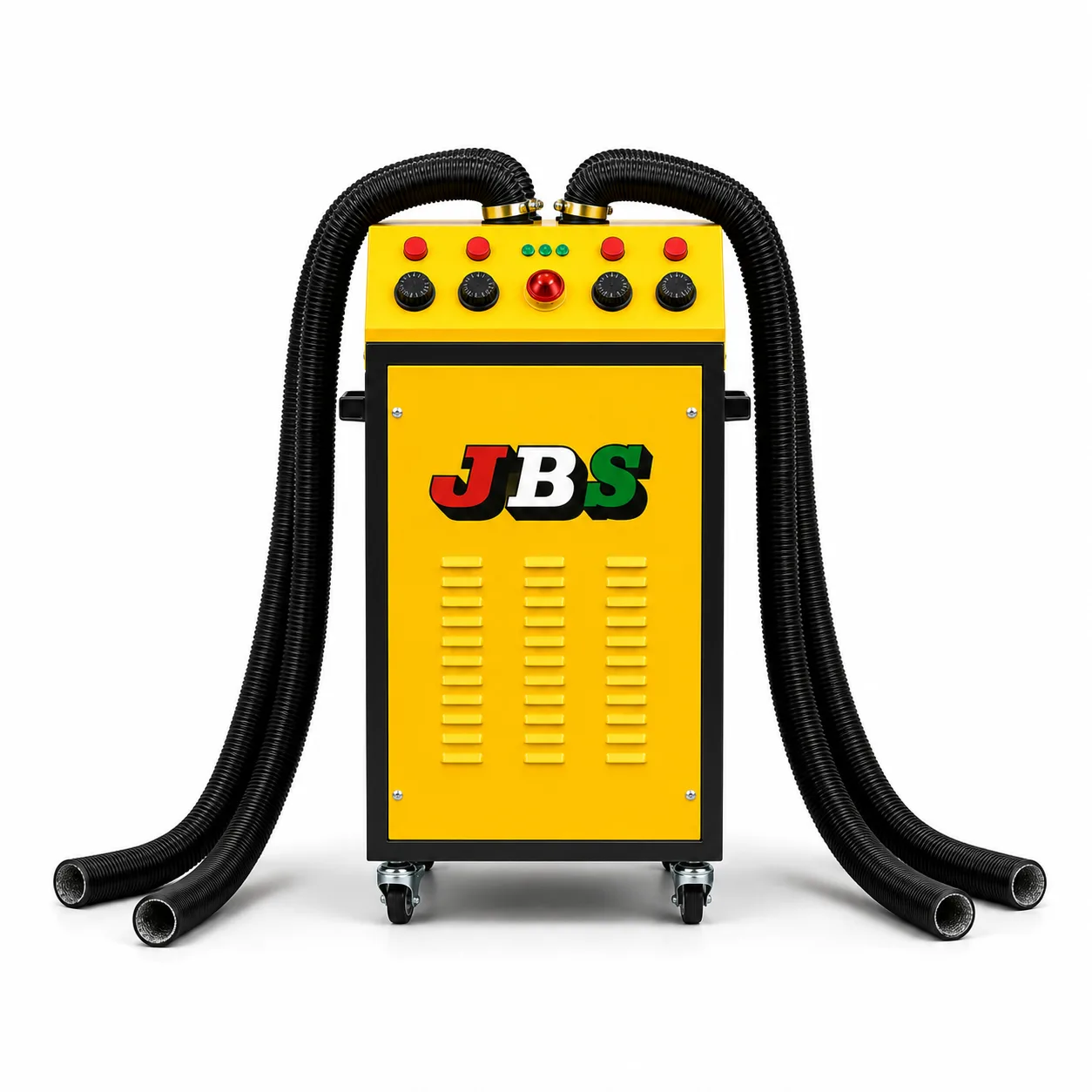
The J-KKM measures 42 × 42 × 62 cm and weighs 29 kg. The electrical connection, airflow, hose configuration, and included outlet accessories should be confirmed before ordering.
How Does a Hot-Air Generator Work?
The fan draws in ambient air and passes it over electric heating elements. The resulting hot air is directed toward the surfaces to be dried through the machine’s arms or hoses.
Thermostatic control allows the temperature to be adjusted according to the application. A temperature suitable for the fabric should be used, and the air outlet should not be directed at the same point for an extended period without supervision.
Keeping the vehicle doors or windows suitably open during drying can help prevent moisture released from the surfaces from condensing again inside the vehicle.
Applications
Hot-air generators can be used for:
- Drying car seats and floor upholstery
- Drying floor mats and luggage compartments
- Car wash and detailing businesses
- Car-care and vehicle-preparation centers
- Car rental and fleet-maintenance facilities
- Vehicle dealerships and service centers
- Carpet and upholstery cleaning businesses
- Suitable professional drying applications
The temperature should first be tested on a small area when working with sensitive fabrics, plastics, or interior trim.
Which Hot-Air Generator Should You Choose?
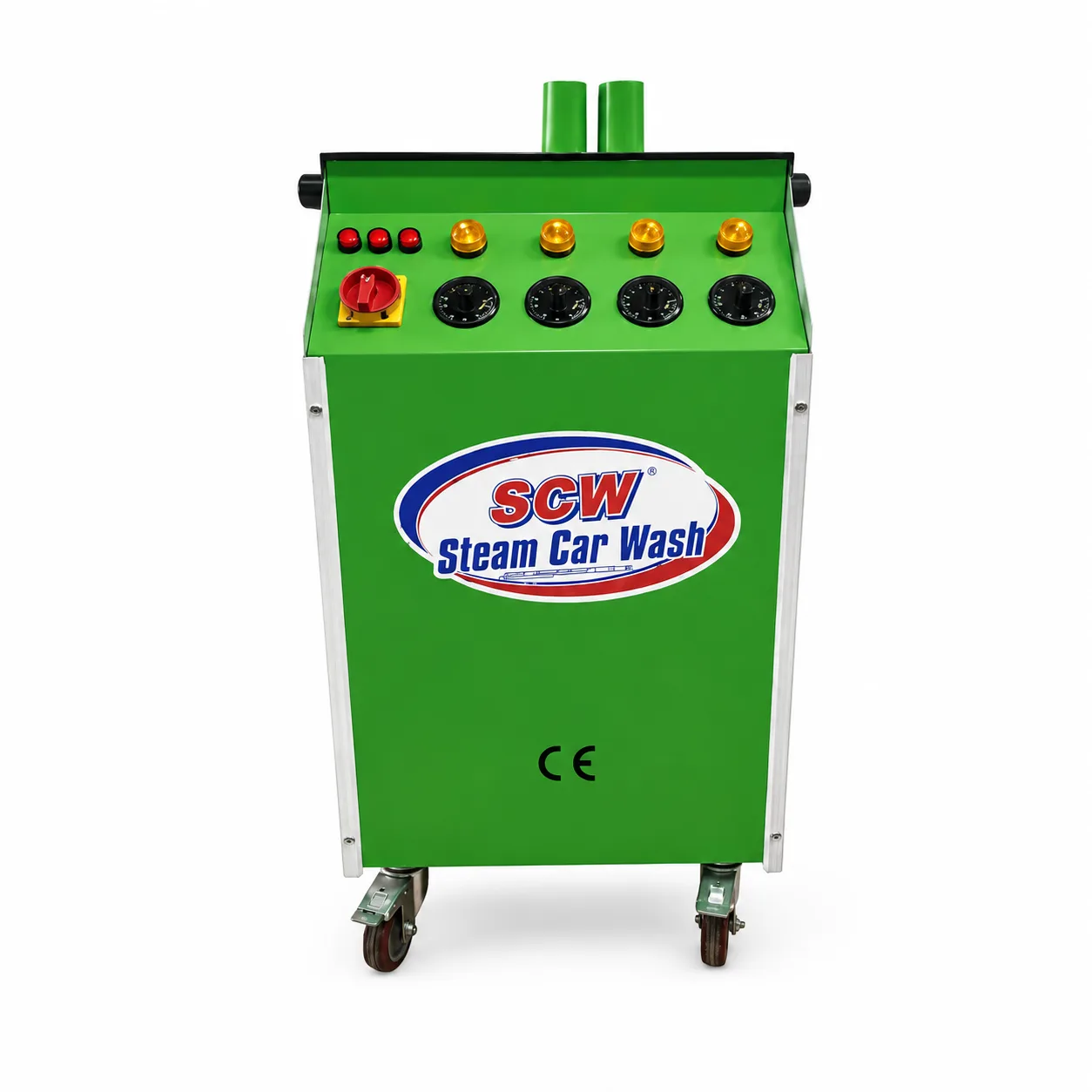
With its thermostatically controlled temperature range of 0–120 °C and four-arm air-distribution system, the J-AHT200 can be considered by businesses that need to direct hot air toward multiple points.
The J-KKM, with its 10-meter hose, 1.1 kW motor, and optional 220 or 380 V electrical configuration, is designed for drying car seats and interior upholstery.
Selection should not be based solely on the maximum temperature. Airflow, number of outlets, hose length, daily vehicle volume, and available electrical infrastructure should be evaluated together.
What Should You Consider When Buying a Hot-Air Generator?
The following factors should be checked before purchasing:
- Surface and fabric types to be dried
- Temperature range and thermostatic control
- Total heating-element power
- Fan motor power
- Actual airflow
- Number of air outlets or hoses
- Hose length and accessory options
- 220 or 380 V electrical connection
- Current requirements
- Daily vehicle volume and operating time
- Machine dimensions and mobility
- Overheating-protection system
- Technical service and spare-parts support
The electrical supply, cable cross-section, circuit breaker, grounding, and residual-current protection must be suitable for operating high-power heating elements. The electrical infrastructure should be inspected by a qualified electrician before installation.
Hot-Air Generator Prices
Hot-air generator prices vary according to heating-element and motor power, temperature control, number of air outlets, hose length, electrical connection, body construction, and standard accessories.
Share your daily vehicle volume, the surfaces to be dried, operating time, and electrical infrastructure with JBS Makina to receive a current quotation for the appropriate model.
To compare all models, visit hot-air generators.