JBS Makina
Menu
Language

JBS Makina Blog

Machine Selection Guides Articles

In the Machine Selection Guides section, you can find practical guides about car wash machines, steam car wash systems, pressure washers, and professional vehicle cleaning equipment. We provide up-to-date information on HAWK and AR Annovi Reverberi pump systems, pressure and flow rate comparisons, machine selection, maintenance, operating costs, and professional car wash solutions.

All Articles

Car Wash Guides

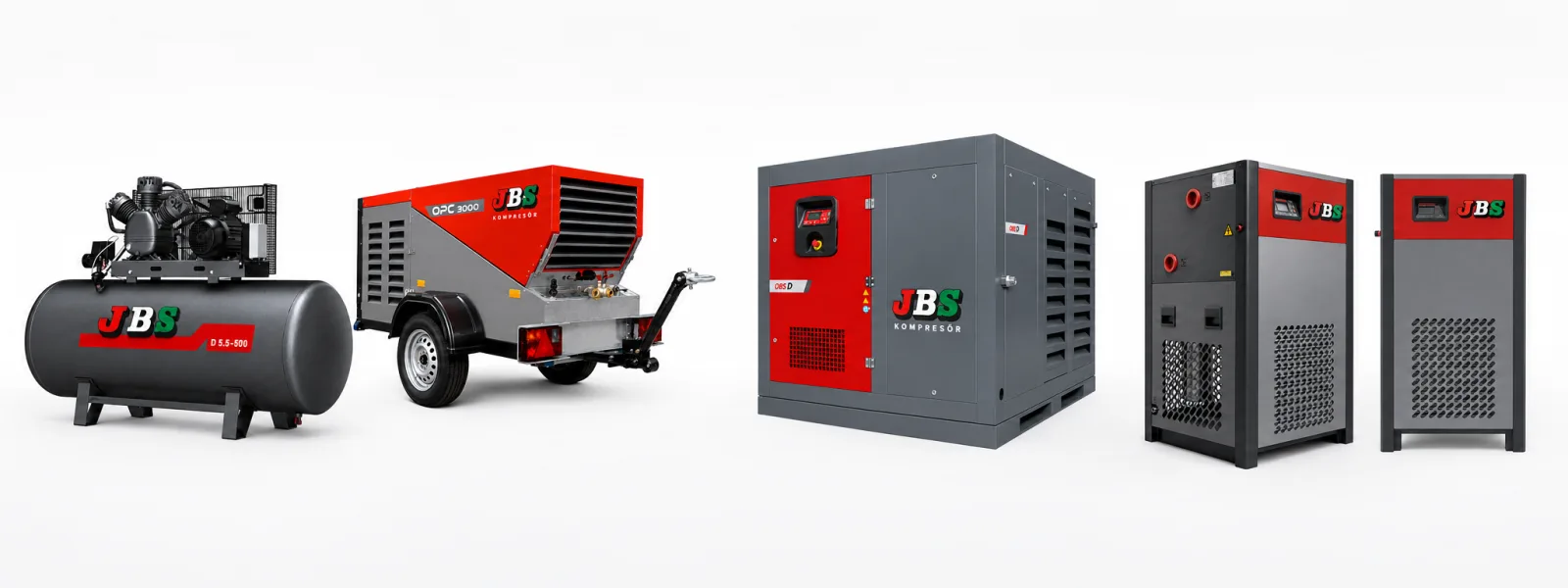
What Types of Air Compressors Are There? blog image

What Types of Air Compressors Are There?

Air compressor types include reciprocating, rotary screw, portable, booster and oil-free systems for different duty profiles. Selection should consider pressure, free air delivery, receiver capacity, motor power, duty cycle and required air quality. Workshops, garages and industrial plants should match compressor technology to simultaneous demand, operating hours and expected energy consumption before final purchase.

Read More
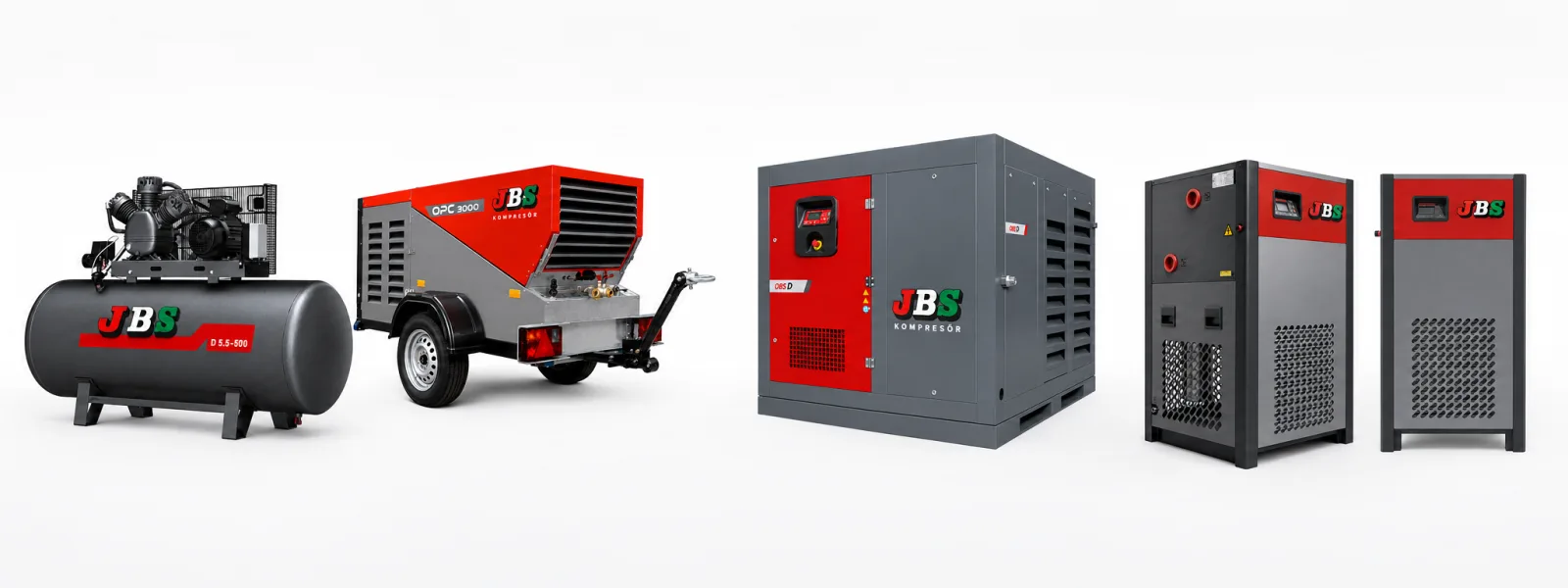
Which Air Compressor Should You Choose for a Car Wash? blog image

Which Air Compressor Should You Choose for a Car Wash?

A car wash air compressor should be selected by airflow, working pressure, duty cycle, receiver size and simultaneous demand. Foam tanks, blow guns and air-powered tools can create short or sustained loads. Reciprocating compressors suit intermittent operation, while rotary screw systems become attractive for busy multi-bay sites requiring stable compressed-air delivery throughout the day.

Read More
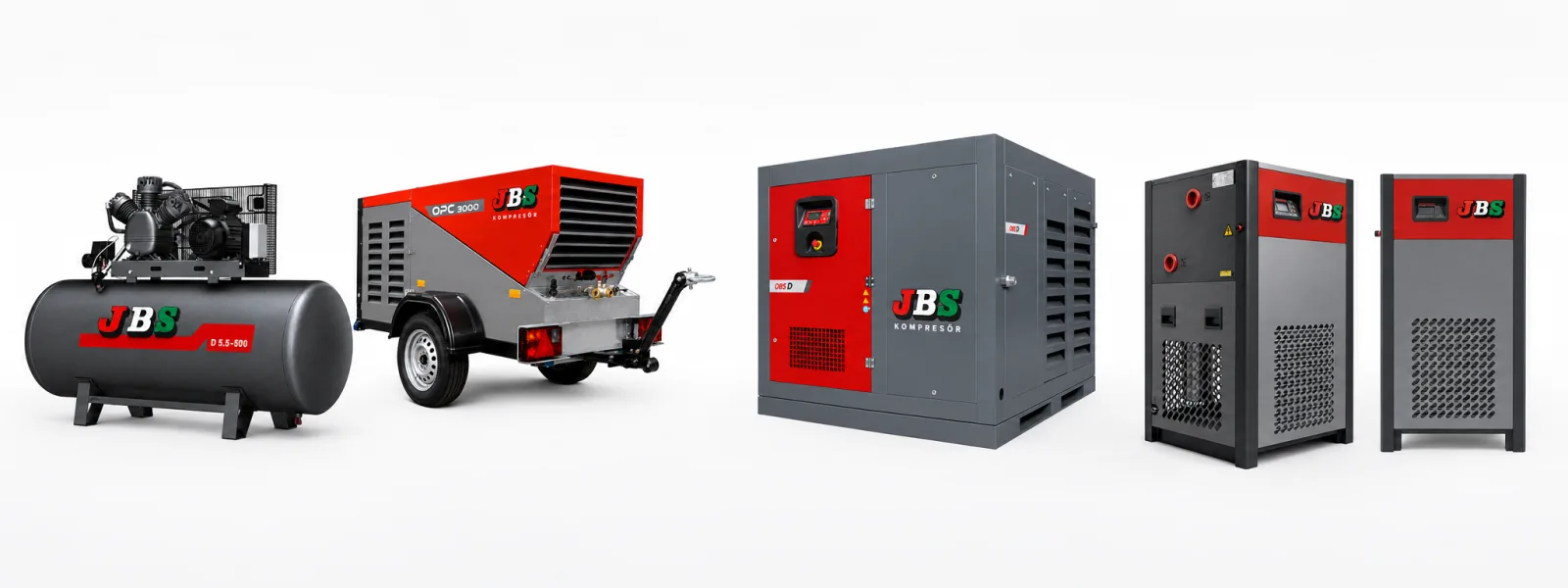
What Should You Consider When Selecting an Air Compressor? blog image

What Should You Consider When Selecting an Air Compressor?

Choosing an air compressor requires more than comparing horsepower or receiver size. Buyers should evaluate working pressure, free air delivery, duty cycle, air quality, electrical supply and simultaneous demand. Reciprocating compressors suit intermittent use, while rotary screw systems are generally better for sustained operation. Correct sizing improves reliability, energy efficiency and future capacity planning.

Read More
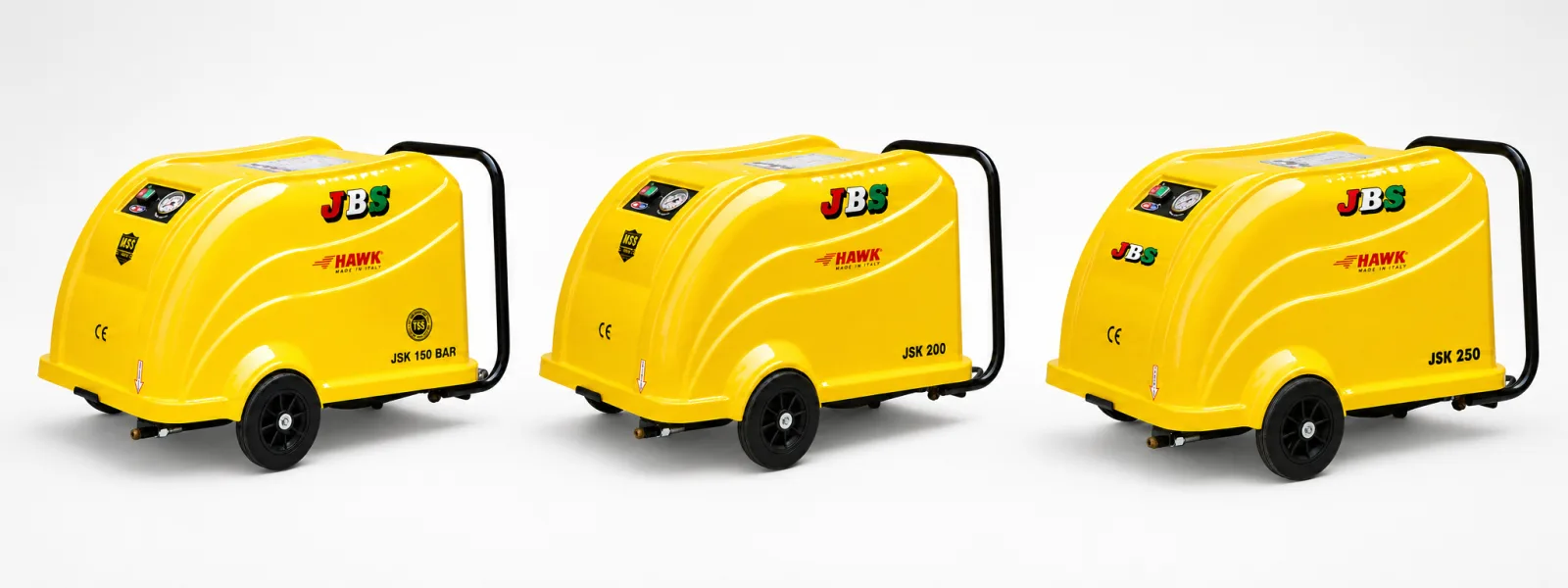
What Is a Cold-Water Pressure Washer? blog image

What Is a Cold-Water Pressure Washer?

A cold water pressure washer delivers high-pressure water without onboard heating for commercial vehicle and equipment cleaning. Buyers should compare working pressure, flow rate, pump design, motor power, electrical supply and duty requirements rather than pressure alone. Cold-water machines suit road dirt, mud and routine wash work where heated water is not operationally necessary.

Read More
How to Use a Hot and Cold Pressure Washer blog image

How to Use a Hot and Cold Pressure Washer

A commercial hot water pressure washer should be operated around the contamination, not simply at maximum heat and pressure. Cold water handles routine mud and road film; heat is valuable for grease and oily residues. Buyers should consider flow rate, duty cycle, fuel use, detergent savings, surface sensitivity and cleaning throughput before setting settings.

Read More
What Is a Car Vacuum Cleaner? blog image

What Is a Car Vacuum Cleaner?

A commercial valeting vacuum is designed for vehicle-interior cleaning, collecting dust, sand, hair, debris and, on wet-and-dry models, liquids. Professional buyers should compare airflow, sealed suction, tank capacity, hose reach, filtration, noise and duty requirements rather than motor wattage alone. The right specification helps valeting bays and workshops clean vehicles faster throughout the day.

Read More
What Should You Consider When Buying a Car Vacuum? blog image

What Should You Consider When Buying a Car Vacuum?

Choosing a commercial valeting vacuum requires more than checking motor wattage. Compare airflow, vacuum pressure, tank capacity, wet-and-dry capability, filtration, hose reach, noise, mobility and expected daily runtime. Busy valeting bays should also consider emptying speed, accessory availability and service support because these factors directly affect vehicle turnaround, operator productivity and long-term operating cost.

Read More
Why Is Suction Power Important in a Car Vacuum? blog image

Why Is Suction Power Important in a Car Vacuum?

In car valeting, suction performance affects how quickly sand, grit, hair and debris leave carpets and interior areas. Motor wattage alone is not a reliable measure. Buyers should compare vacuum pressure, airflow, hose diameter, filtration and duty requirements. Balanced suction and airflow reduce repeat passes, improve productivity and speed vehicle turnaround during trading hours.

Read More

Common Questions

Frequently Asked Questions

Who Can Use a Steam Car Wash Machine?

Steam car wash machines can be used by car wash businesses, detailing centers, auto dealerships, service centers, rent a car companies, fleet operators and mobile vehicle cleaning services.

Who Is a Semi-Professional Car Wash Machine Suitable For?

It is suitable for car wash businesses, service centers, dealerships, small fleets, and in-house cleaning areas with low or moderate daily vehicle volumes.

What Determines Self-Service Car Wash Setup Prices?

The installation cost of a self-service car wash varies depending on the number of bays, machine functions, payment system, water and electricity infrastructure, installation area, equipment capacity and service support.

What Should You Consider When Choosing a Car Wash Machine?

Learn what to consider when choosing a car wash machine, including pressure, water flow, pump quality, power requirements, accessories, service support and business usage needs.

Steam Car Wash Machines for Businesses

Steam car wash machines are suitable for car wash businesses, auto detailing centers, car dealerships, service centers, rent a car companies, fleet operators and mobile vehicle cleaning services.

What Affects Steam Car Wash Machine Prices?

Steam car wash machine prices are determined by the selected model, steam capacity, number of steam guns, heating system, power requirements, accessory package, service support and professional usage needs.