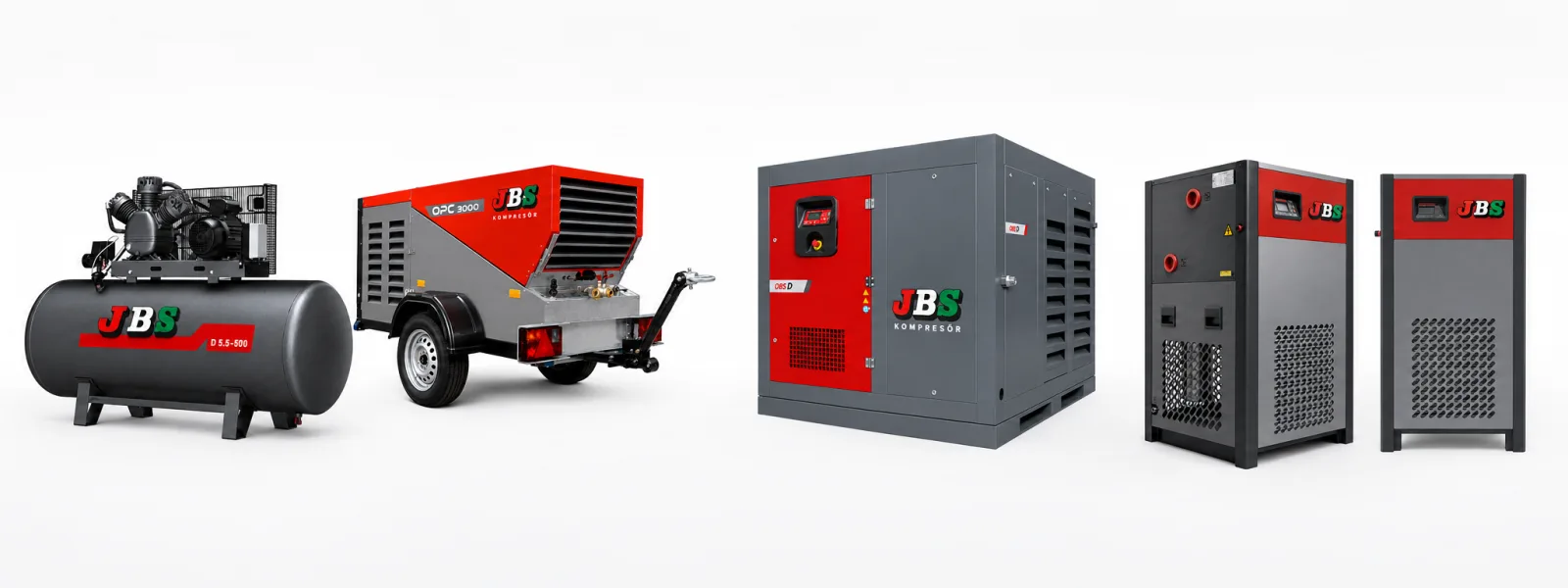
When selecting an air compressor, it is not enough to compare tank volume, motor power or price. The working pressure of connected equipment, total air consumption, daily running time and electrical infrastructure should be evaluated together.
Where Will the Compressor Be Used?
A tyre shop, car wash, paint shop, manufacturing line and occasional home workshop can have very different compressed-air requirements.
Required Working Pressure
Identify the highest pressure required by the tools and allow for reasonable pressure losses through filters, regulators and piping.
Why Air Flow Matters
Air flow determines whether the compressor can keep up with continuous demand. Always compare real delivered air with tool consumption.
Intake Flow vs. Delivered Flow
Advertised displacement or intake figures can be higher than the usable air delivered at working pressure. Use comparable performance data where available.
How Large Should the Tank Be?
The tank buffers short demand peaks and reduces cycling, but it does not create air. Pump or screw output must be adequate for sustained consumption.
Piston or Screw Compressor?
Reciprocating compressors suit intermittent use; screw compressors generally suit longer continuous operating periods.
Oil-Lubricated or Oil-Free?
Choose according to the air-quality requirement of the process. Additional filtration or drying may be needed in either case.
Daily Running Time
The compressor should be designed for the expected duty cycle. Excessive continuous running shortens the life of equipment not intended for it.
Electrical Supply
Check single-phase or three-phase availability, motor starting current, cable capacity and protective equipment.
Dryer and Filters
Moisture and contaminants can damage tools, paint finishes and production processes. Select air treatment according to the application.
Conclusion
A good compressor selection starts with a measured or calculated air-demand profile and ends with enough capacity, safe installation and maintainable equipment.
Recommended Solutions
Related Products and Categories
Common Questions
Frequently Asked Questions
How to choose an air compressor?
To choose the right air compressor, total air demand, required pressure level, simultaneously operating equipment, tank capacity and daily working time should be evaluated together. This helps determine the most suitable compressor capacity for the business.
Who Is a Piston Compressor Suitable For?
It may be suitable for service centers, workshops, and small businesses with intermittent compressed-air demand.
When Should a Screw Compressor Be Preferred?
It should be considered for businesses with regular, long-duration, and high compressed-air demand.
How Is an Air Dryer Selected According to Compressor Capacity?
The dryer capacity should not be lower than the compressor capacity. For intensive use, the next larger capacity may be preferred.
Which air compressor should be used for a car wash?
For a car wash, the air compressor should be selected according to the air consumption and working pressure of the equipment being used. In many professional car wash applications, a compressor with around 8–10 bar pressure, sufficient air delivery capacity, and a suitable tank size is recommended. For intensive daily use, durable industrial models with a high duty cycle are preferable.
What is the difference between an oil-lubricated and an oil-free air compressor?
An oil-lubricated air compressor uses oil to lubricate internal components, which can provide smoother operation, better cooling, and longer service life in demanding applications. An oil-free compressor operates without oil in the compression chamber, requiring less maintenance and delivering cleaner air. Oil-free models are often preferred where air purity is important, while oil-lubricated compressors are commonly chosen for intensive workshop and industrial use.
How large should a compressor tank be?
Tank capacity should be selected according to usage frequency and the air demand of the connected equipment. In operations with continuous air consumption, larger tanks can reduce pressure fluctuations and frequent motor cycling.
Why does an air compressor fail to build pressure?
Air leaks, a clogged filter, worn piston rings, faulty valves, a loose belt, or a pressure-switch problem can cause pressure loss. A technical inspection is required for an accurate diagnosis.
Why should water accumulated in the compressor be drained?
Moisture in compressed air can condense into water inside the tank. If this water is not drained, it can cause tank corrosion, equipment failures, and moisture problems in the compressed-air line.
How should an air compressor be maintained?
The air filter, oil level, belts, connections, safety valve, and air leaks should be checked regularly. Water accumulated in the tank should be drained, and the correct compressor oil should be used at the specified maintenance intervals.