Refrigerated Air Dryers: Protecting a Compressed-Air Network from Moisture
Water in a compressed-air system is not simply a housekeeping problem. Once atmospheric moisture passes through a compressor and cools in the receiver or distribution pipework, liquid condensate can form inside the system.
For workshops and manufacturing sites, that moisture can contribute to pipe corrosion, unreliable pneumatic equipment and quality problems in moisture-sensitive processes.
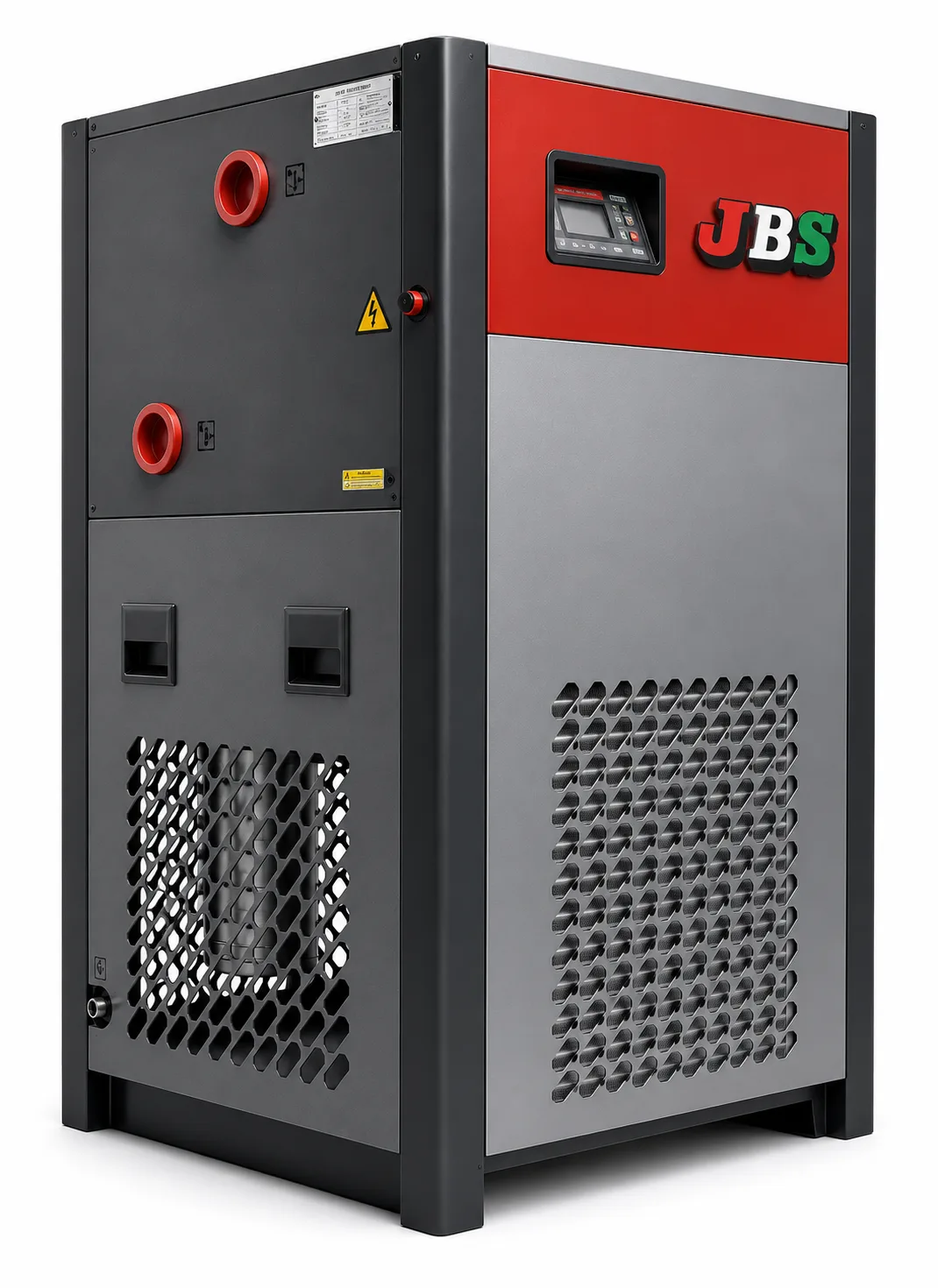
A correctly sized refrigerated air dryer removes much of this moisture before the compressed air reaches downstream equipment.
Pressure Dew Point Is the Specification That Matters
The operating principle is straightforward: compressed air is cooled until water vapour condenses, the liquid is separated and drained, and the treated air is then returned to the compressed-air network.
The JBS ODR-300 is specified for a pressure dew point +3°C.
That level is commonly associated with general industrial compressed-air treatment where the distribution network remains above freezing.
Applications requiring much lower dew points need to be assessed separately rather than simply installing a larger refrigeration dryer.
Match Dryer Flow to the Compressor
A common sizing mistake is to select an air dryer for compressor installations according to compressor horsepower.
The dryer actually has to handle the compressed-air flow reaching its inlet under the site's operating conditions.
Important selection data includes:
A dryer with insufficient effective capacity can struggle to maintain the expected moisture control even when its nominal figure initially appears close to the compressor output.
JBS ODR-300 Technical Position
The JBS ODR Series Refrigerated Air Dryer lists the following ODR-300 specifications:
30 m³/min capacity, 7–16 bar working pressure, +3°C pressure dew point, 5.80 kW power consumption, R-410A refrigerant and 300 kg listed weight.
For a commercial buyer, the 30 m³/min rating makes the ODR-300 particularly relevant to larger compressed-air installations rather than a small single-tool workshop system.
Think Beyond the Dryer Cabinet
A professional compressed air dryer should be considered as part of the complete air-treatment train.
Depending on the process, the installation may also require appropriate filtration, condensate drainage and correctly sized distribution pipework.
Paint processes and precision production may have stricter air-quality requirements than ordinary pneumatic tools, so filtration and drying should be specified according to the final application.
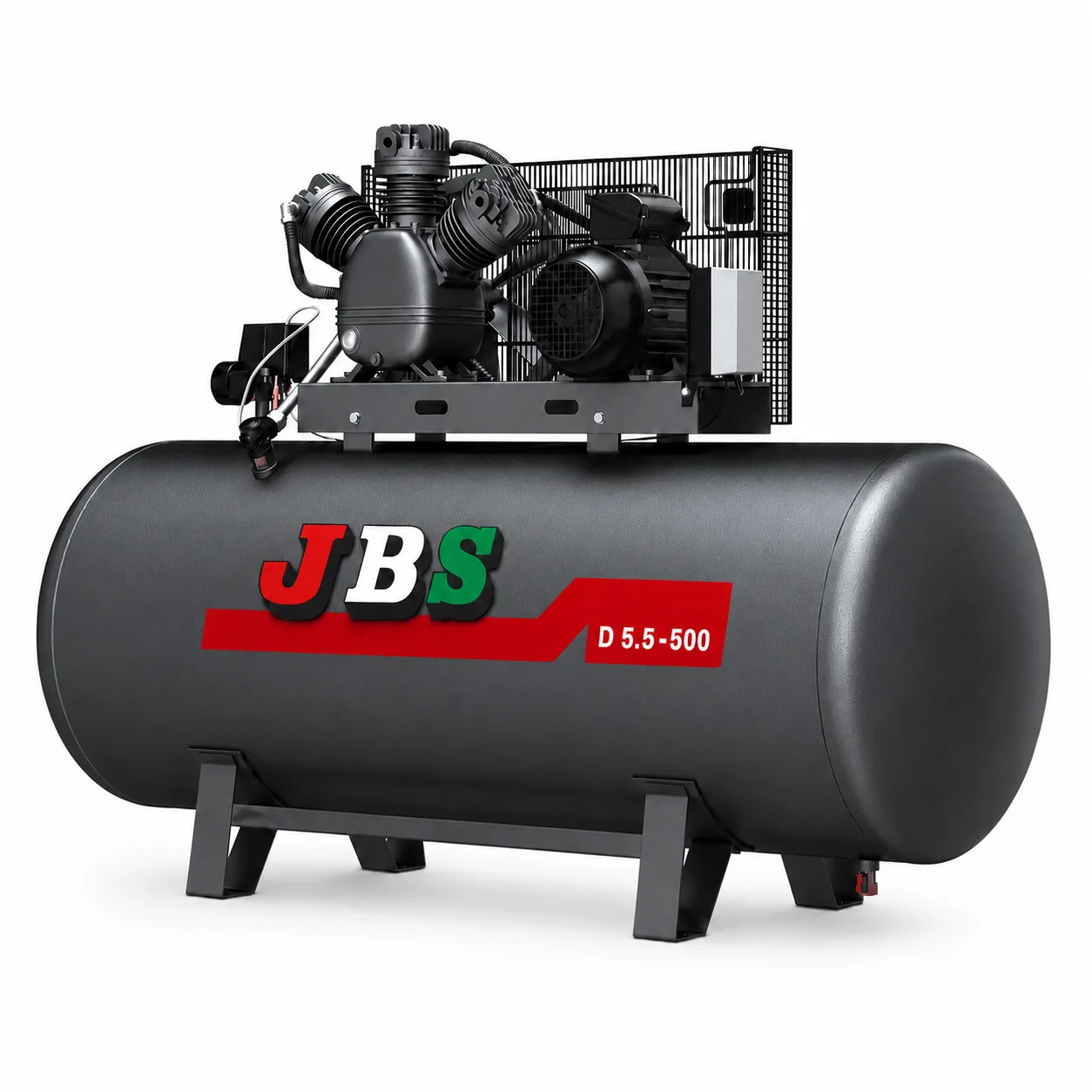
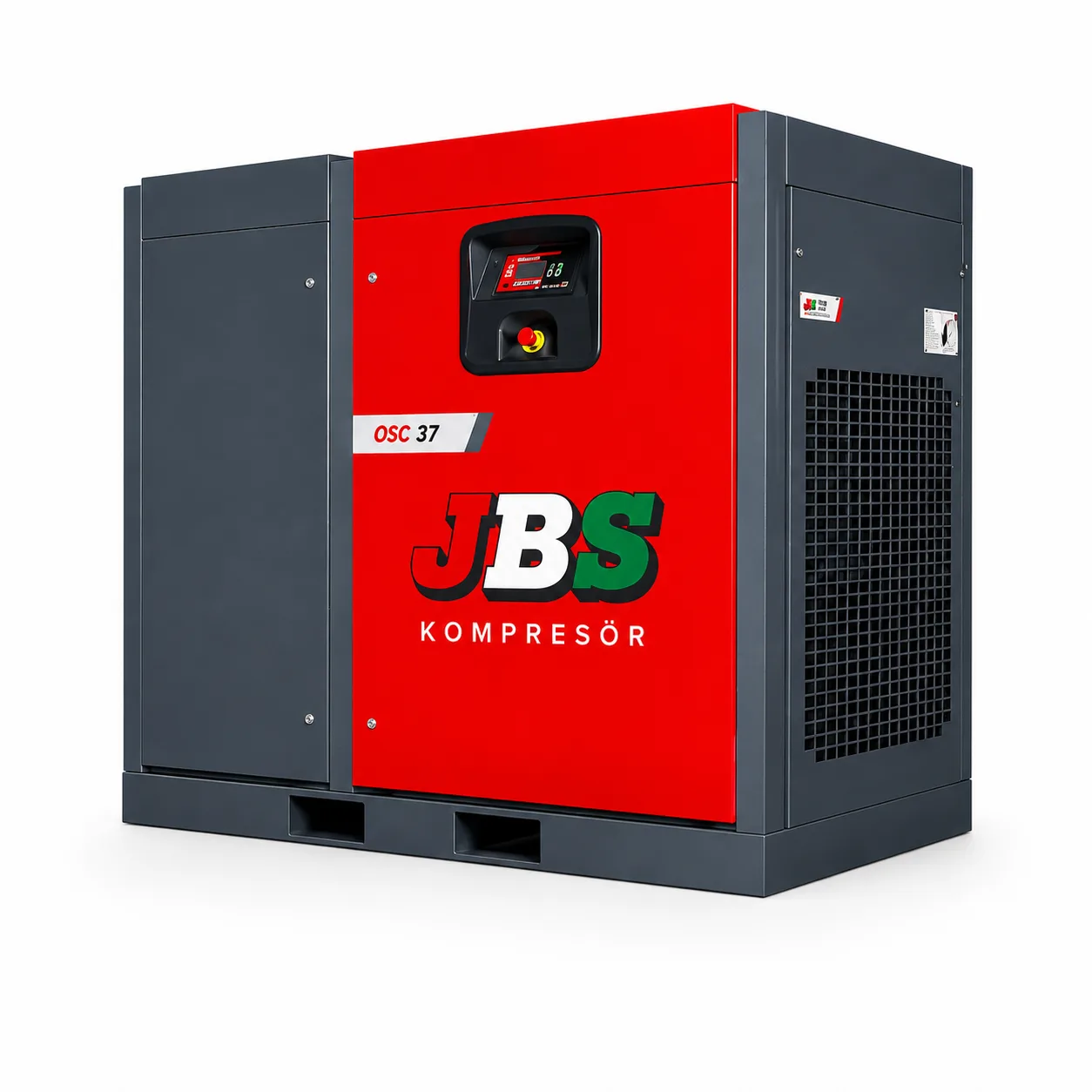
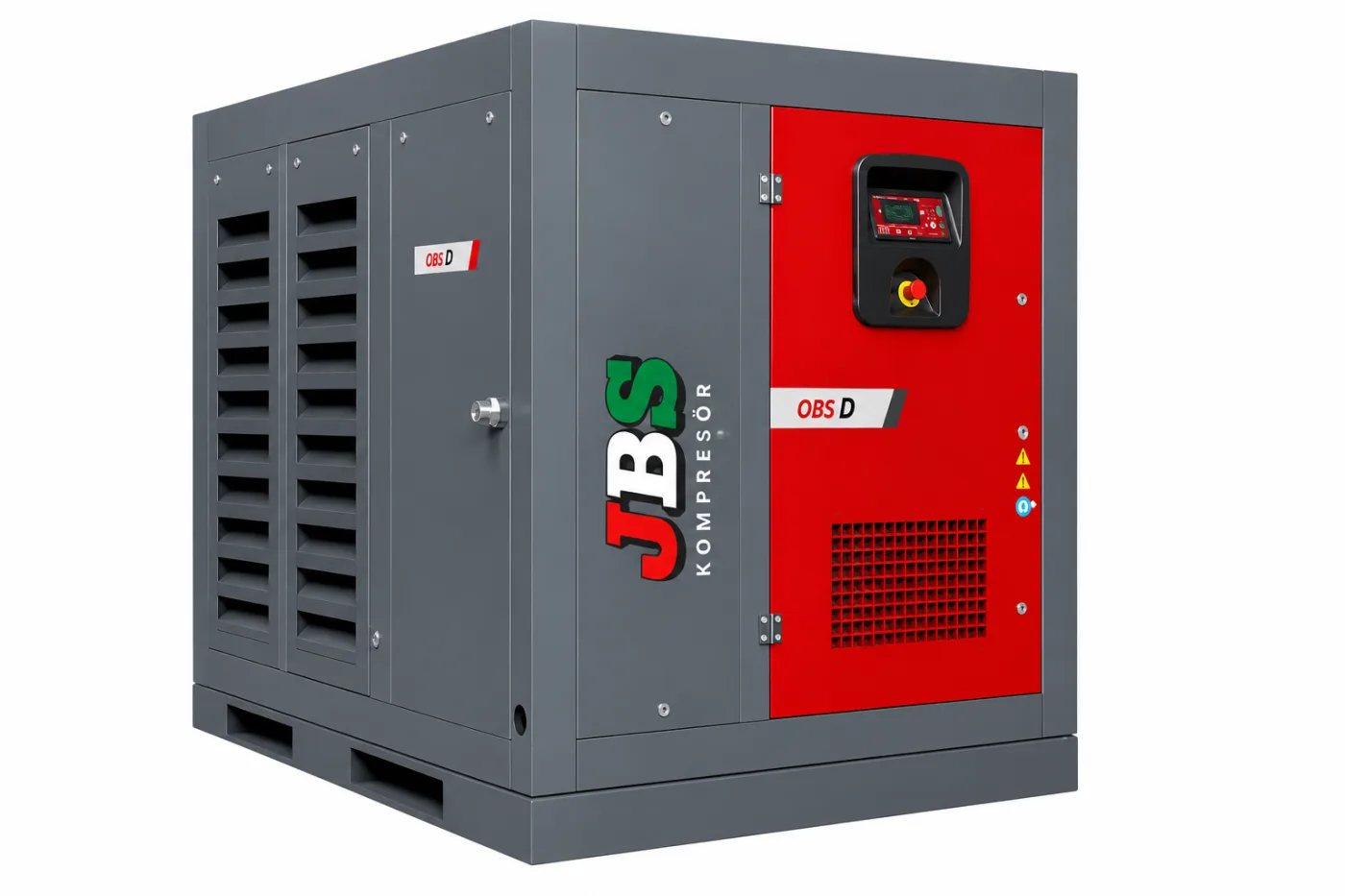
The wider JBS range can be reviewed under Industrial Air Compressors.
Where Refrigerated Drying Fits Best
A refrigeration dryer is particularly relevant to general manufacturing, automotive maintenance, packaging, CNC machinery and pneumatic automation where reliable moisture control is required but extremely low sub-zero dew points are not.
For an industrial application example, see JBS solutions for Metalworking Workshops.
Vehicle-service businesses can also see how compressed air fits alongside other operating equipment in the Car Wash Equipment Guide.
Specify the ODR Dryer for Your Air Demand
Review the JBS ODR Series, compare the wider Air Compressors range and explore applications in Metalworking Workshops. For wider compressed-air equipment planning, read the JBS equipment guide. Send your airflow, pressure and inlet-temperature requirements to request a technical quotation from JBS Makina.