High Pressure Where the Process Needs It — Not Across the Whole Factory
Running an entire compressed-air network at an unnecessarily high pressure is rarely the best answer to one demanding production process.
A screw booster compressor creates a separate pressure stage downstream of the main compressor, allowing a plant to retain its normal distribution pressure while supplying higher-pressure air to a specific machine or production line.
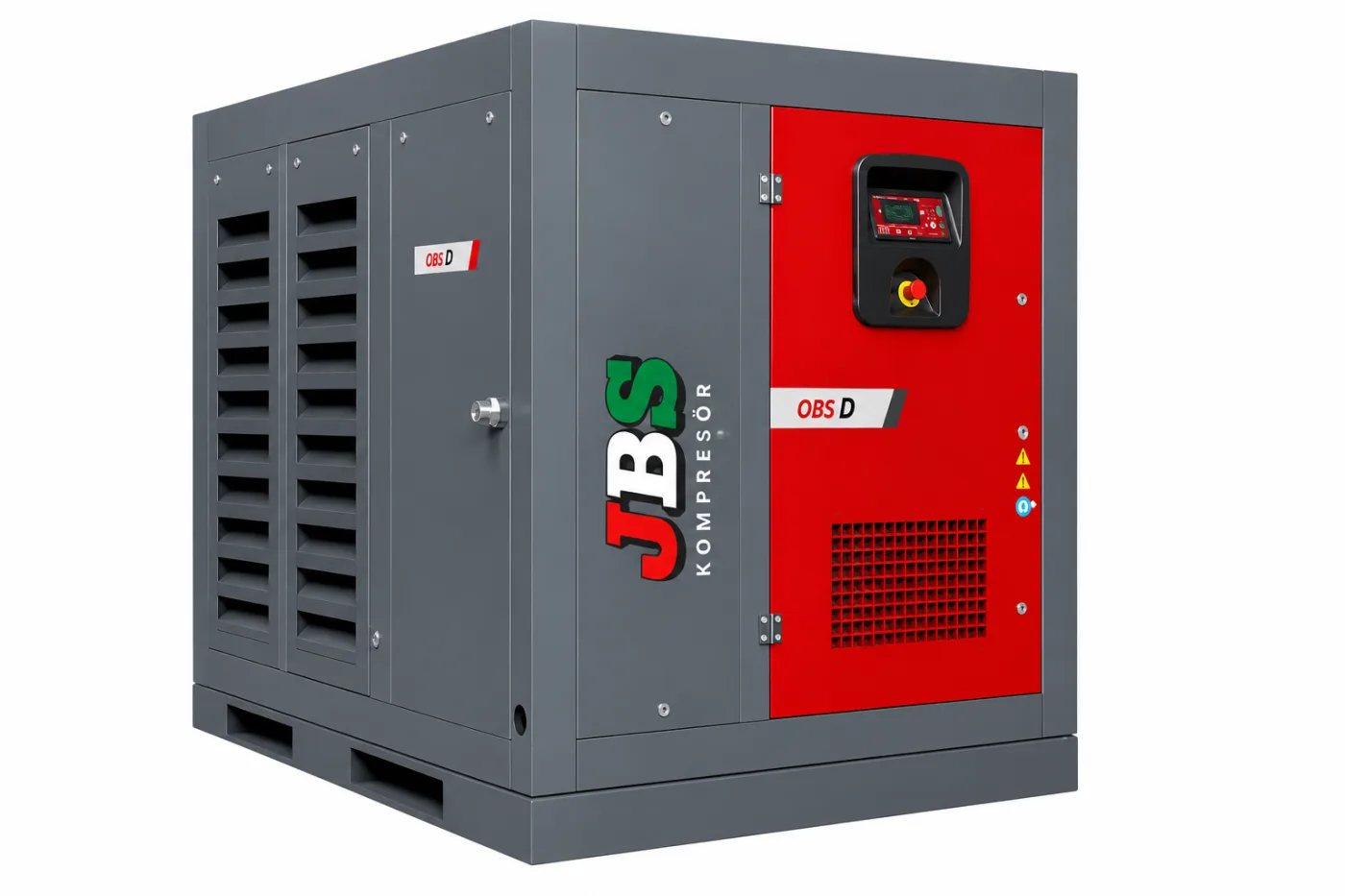
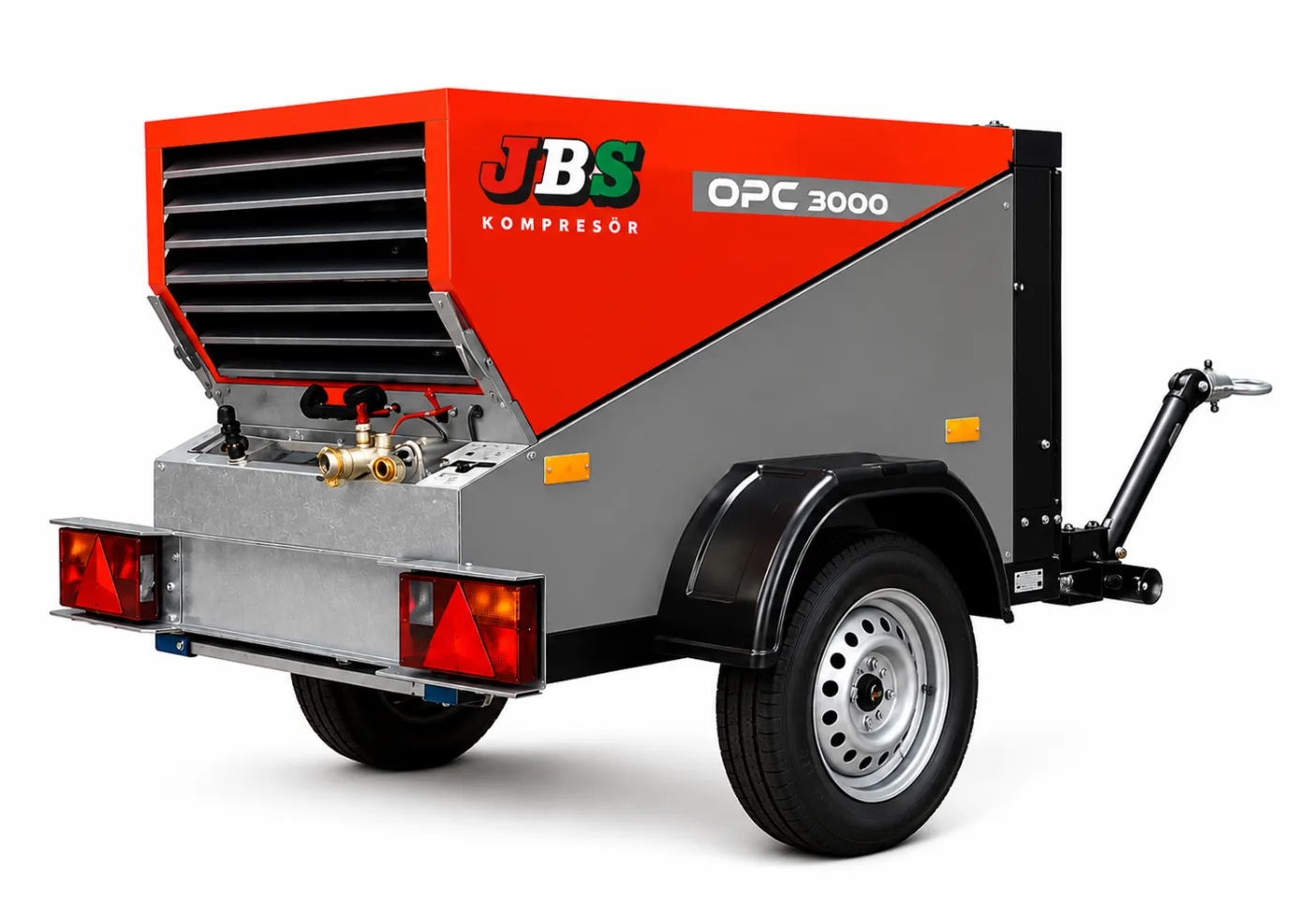
The JBS OBS 18 D is intended for this point-of-use pressure requirement.
PET Blow Moulding Is a Pressure-Critical Application
UK compressed-air suppliers frequently position boosters around PET production because stretch blow moulding can require significantly higher pressure than a standard factory air network.
Pressure stability matters alongside maximum pressure. Unstable high-pressure air can affect the production process and line continuity.
For this reason, a PET blow moulding compressor installation should be specified around required pressure, actual airflow and duty profile rather than selecting a machine from motor kW alone.
FAD Changes with Inlet and Discharge Pressure
OBS 18 D uses an 18.5 kW / 25 HP drive.
For the 30 bar configuration, manufacturer data lists:
7 bar inlet — 3.40 m³/min
10 bar inlet — 4.85 m³/min
12 bar inlet — 6.70 m³/min
Separate 35 and 40 bar operating configurations are also available.
That relationship is important when comparing an air booster compressor: the same booster does not deliver one fixed airflow regardless of inlet and discharge conditions.
Pressure Testing and Dedicated Process Air
PET is not the only relevant application.
Industrial pressure testing, selected metalworking processes and production equipment may also require pressure above the site's standard compressed-air network.
Installing a booster close to that demand allows the plant engineer to treat the high-pressure consumer as a separate system rather than increasing network pressure for every pneumatic user.
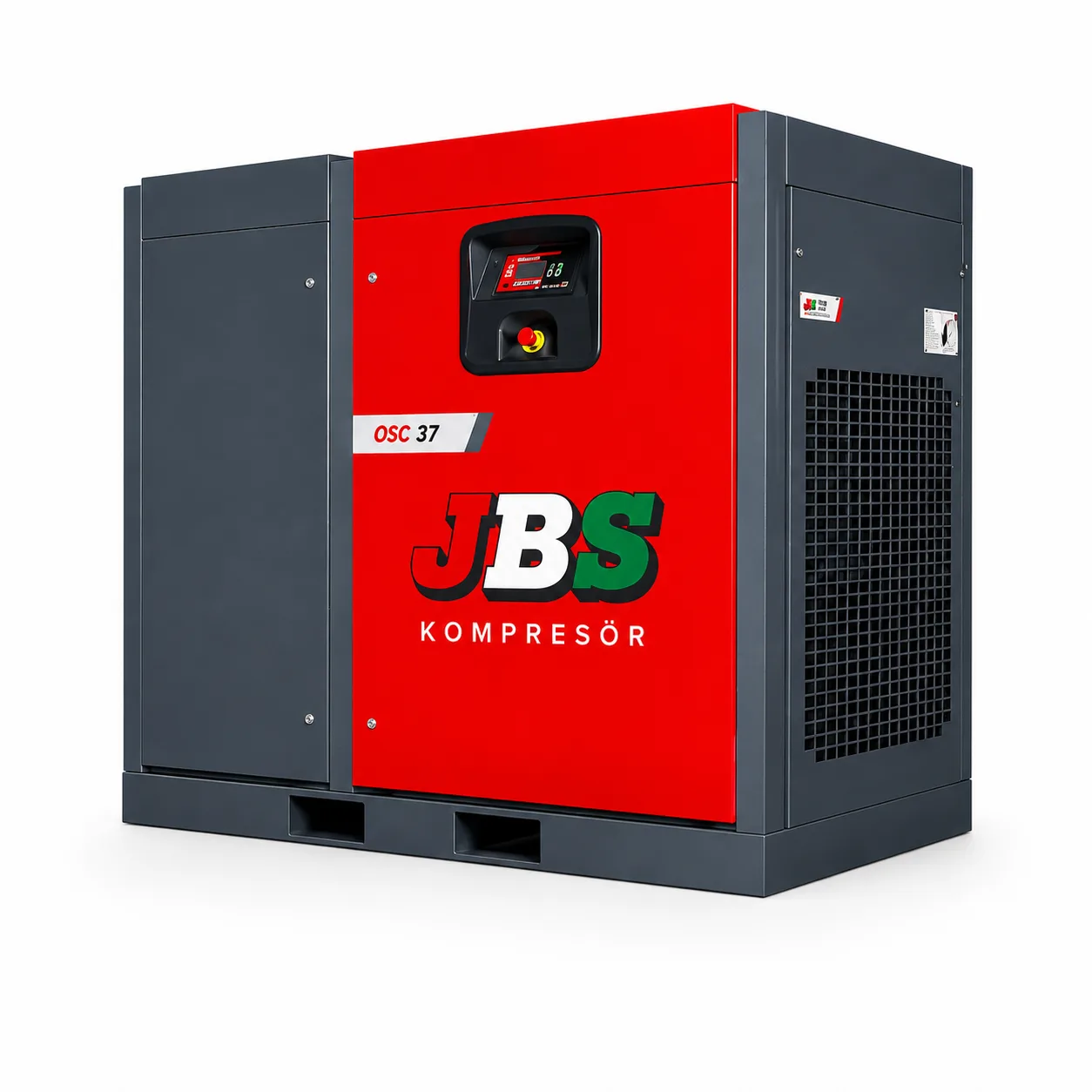
For the upstream supply, the OSC-V Variable-Speed Screw Compressor can be considered where plant air demand varies through the shift.
Air Quality Must Follow the Process
Boosting pressure does not correct poor compressed-air quality.
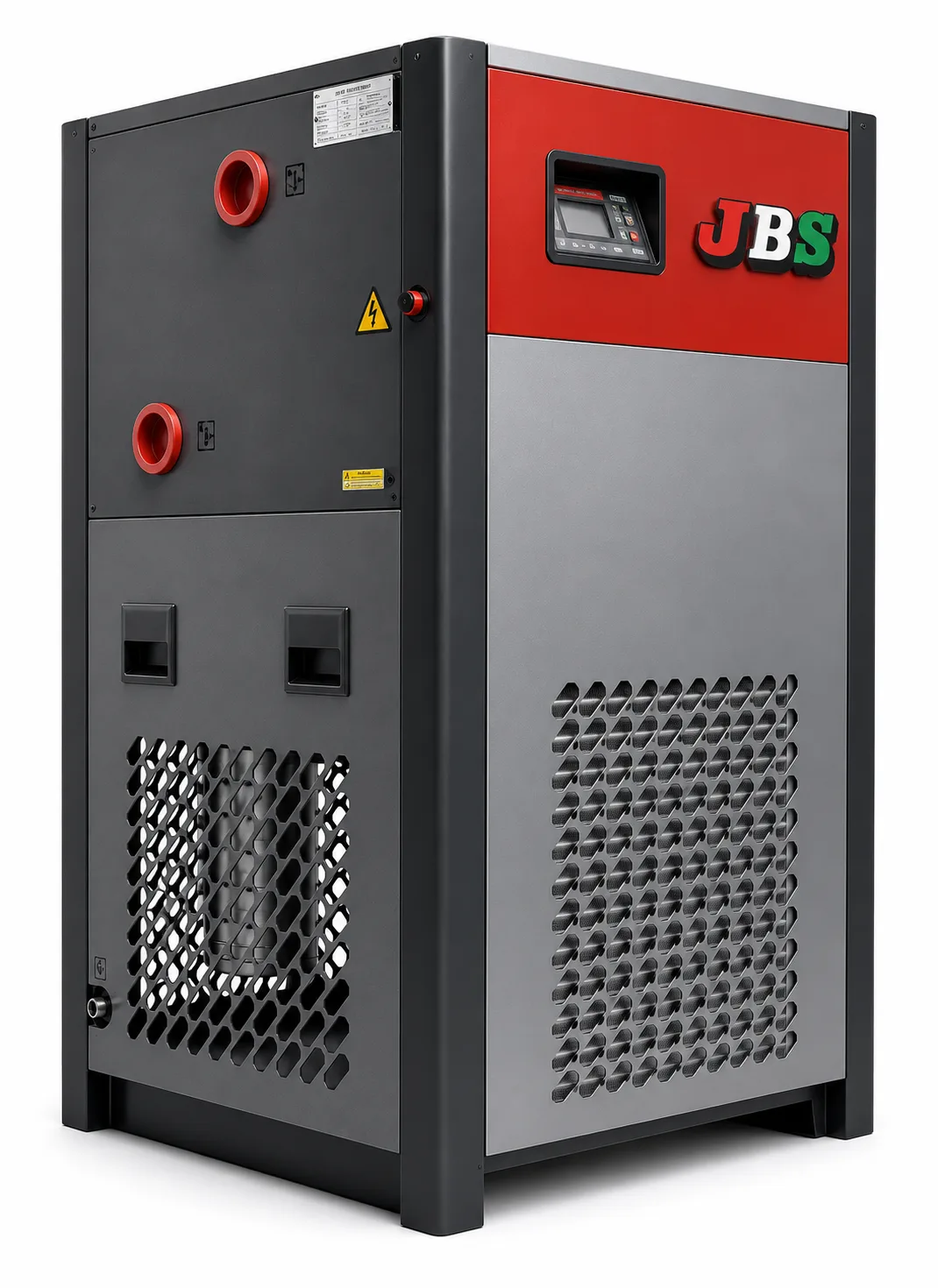
Moisture, oil and particulate requirements should be established before the booster is specified. Depending on the application, the system may require receivers, filtration and an ODR Series Refrigerated Air Dryer.
PET food-and-beverage applications may require substantially stricter air-quality specifications than general industrial pressure testing, so the final treatment train must follow the process requirement.
Specify the Booster from the Operating Point
Review the JBS OBS 18 D, compare the wider Air Compressors range and see relevant industrial equipment under Metalworking Workshops.
Further technical articles are available in the JBS Blog. For a project quotation, provide inlet pressure, required discharge pressure, required FAD, air-quality specification and operating hours when you request a quotation from JBS Makina.