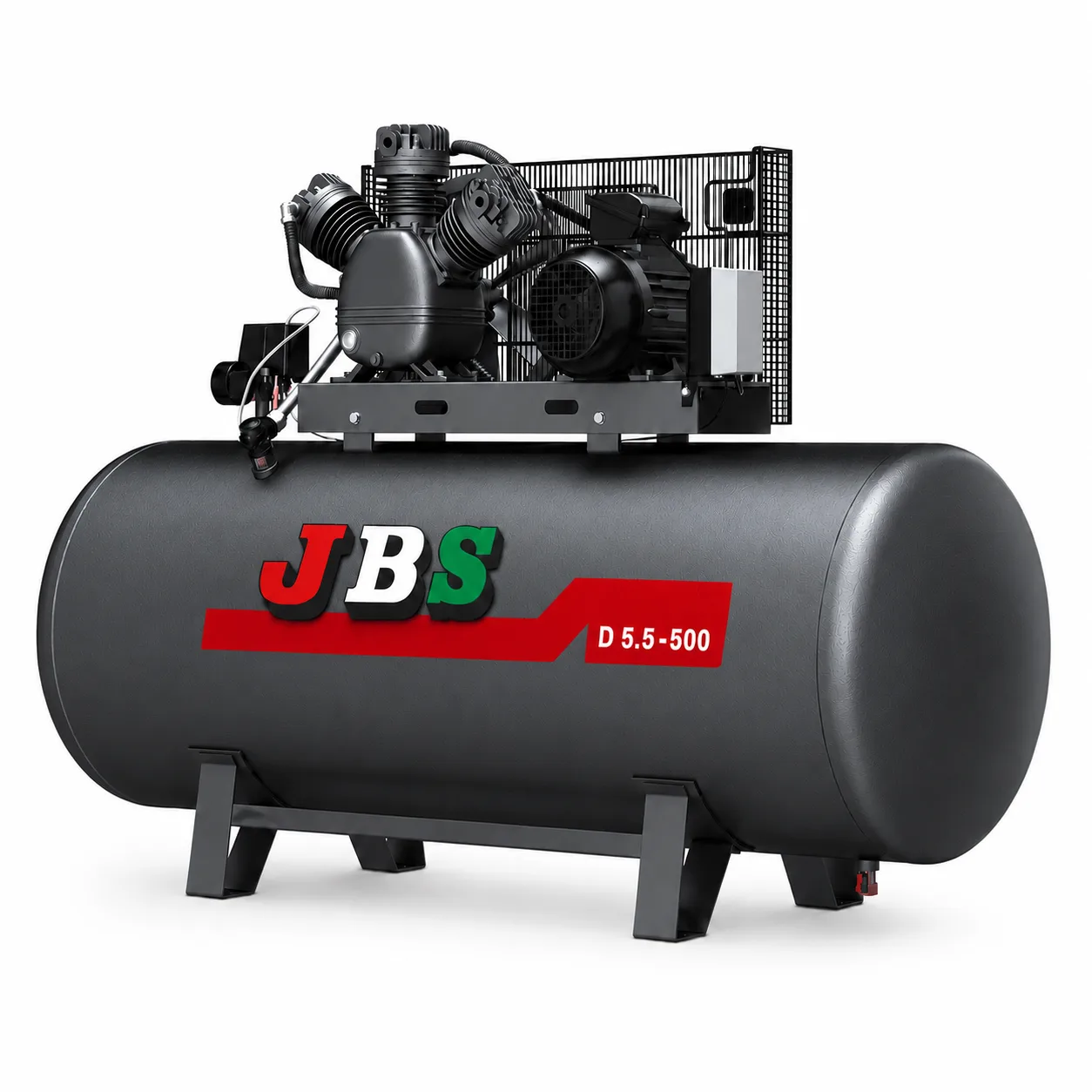
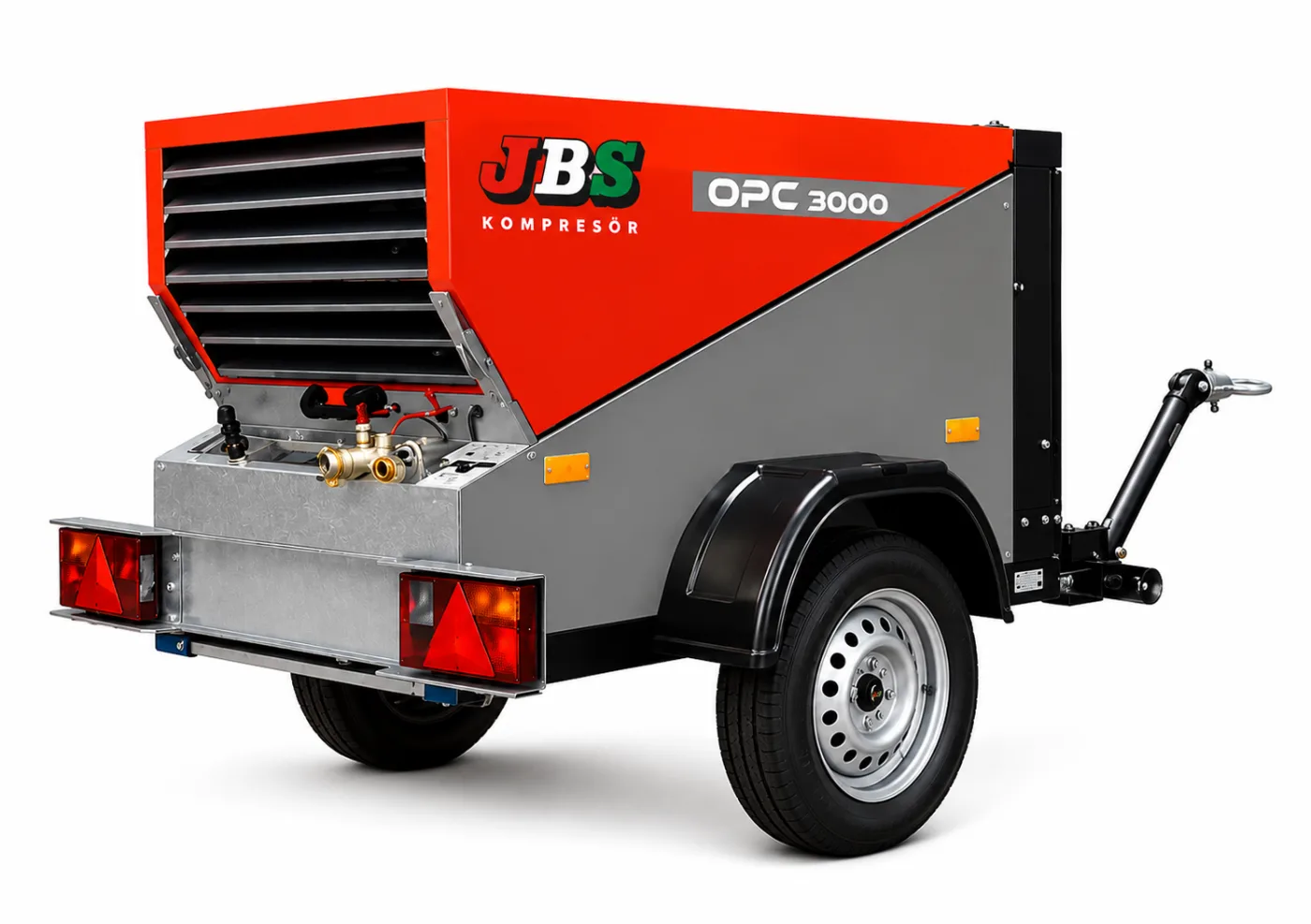
JBS reciprocating air compressors are designed for the intermittent or variable compressed-air requirements of automotive service centres, tyre shops, maintenance workshops and small production facilities. Their receiver-mounted construction stores compressed air for operating blow guns, tyre-inflation equipment, spray guns and compatible pneumatic tools.
How Does a Reciprocating Air Compressor Work?
An electric motor drives the compressor pump. Atmospheric air is drawn into a cylinder, compressed by piston movement and transferred to the air receiver. The motor stops when the preset receiver pressure is reached and starts again when pressure falls during use. This operating cycle makes piston air compressors particularly suitable for applications with periodic air demand.
Typical Applications
Reciprocating compressors can support tyre inflation, blow-off cleaning, impact tools, surface preparation, spray painting and various pneumatic hand tools. They can also provide auxiliary compressed air for car washes, vehicle-detailing businesses, repair shops, woodworking facilities and small production areas.
Choosing the Correct Compressor Capacity
Selection should not be based on motor power or receiver volume alone. Required working pressure, actual free air delivery, total consumption of simultaneously operated equipment, daily duty cycle, electrical supply, installation space and receiver capacity should be considered together.
The JBS D-5.5-300 piston air compressor features a 4 kW/5.5 HP motor, 7 bar working pressure and 649 L/min intake capacity. Intake capacity may differ from the usable air delivery available at the required operating pressure.
Piston or Rotary Screw Compressor?
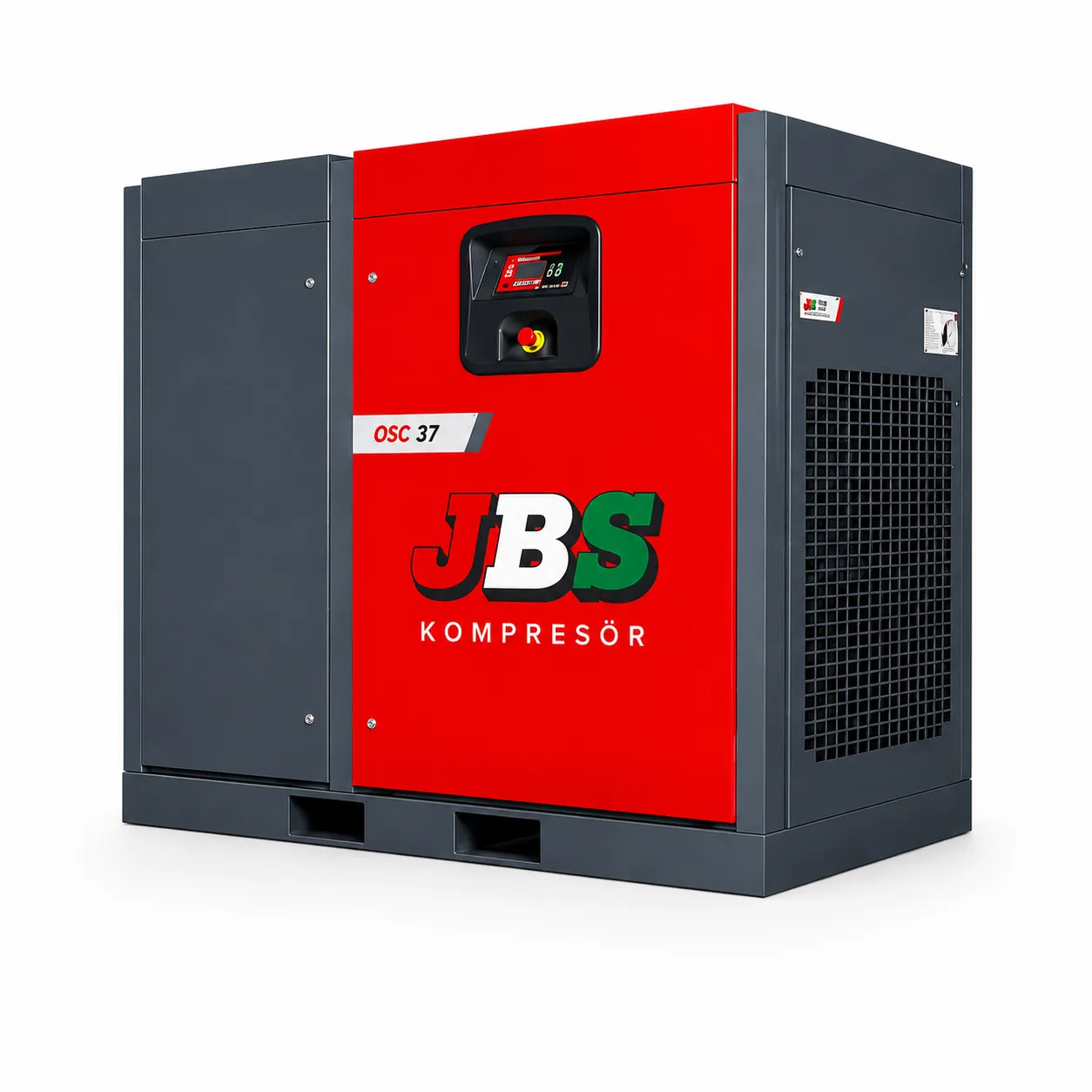
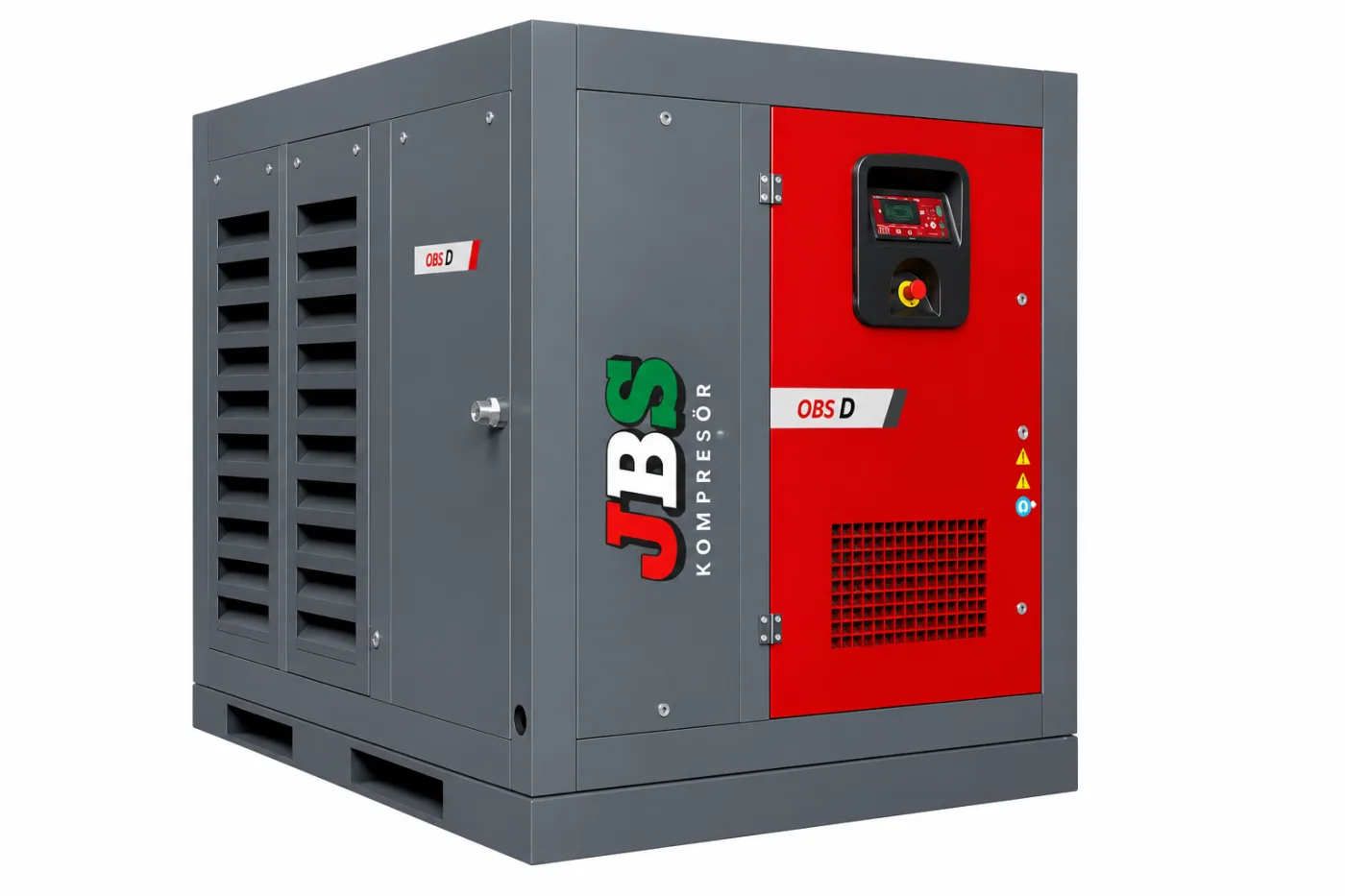
A reciprocating compressor can be an economical solution for intermittent and moderate compressed-air demand. Businesses requiring continuous operation, higher airflow or several tools running simultaneously should compare rotary screw air compressors.
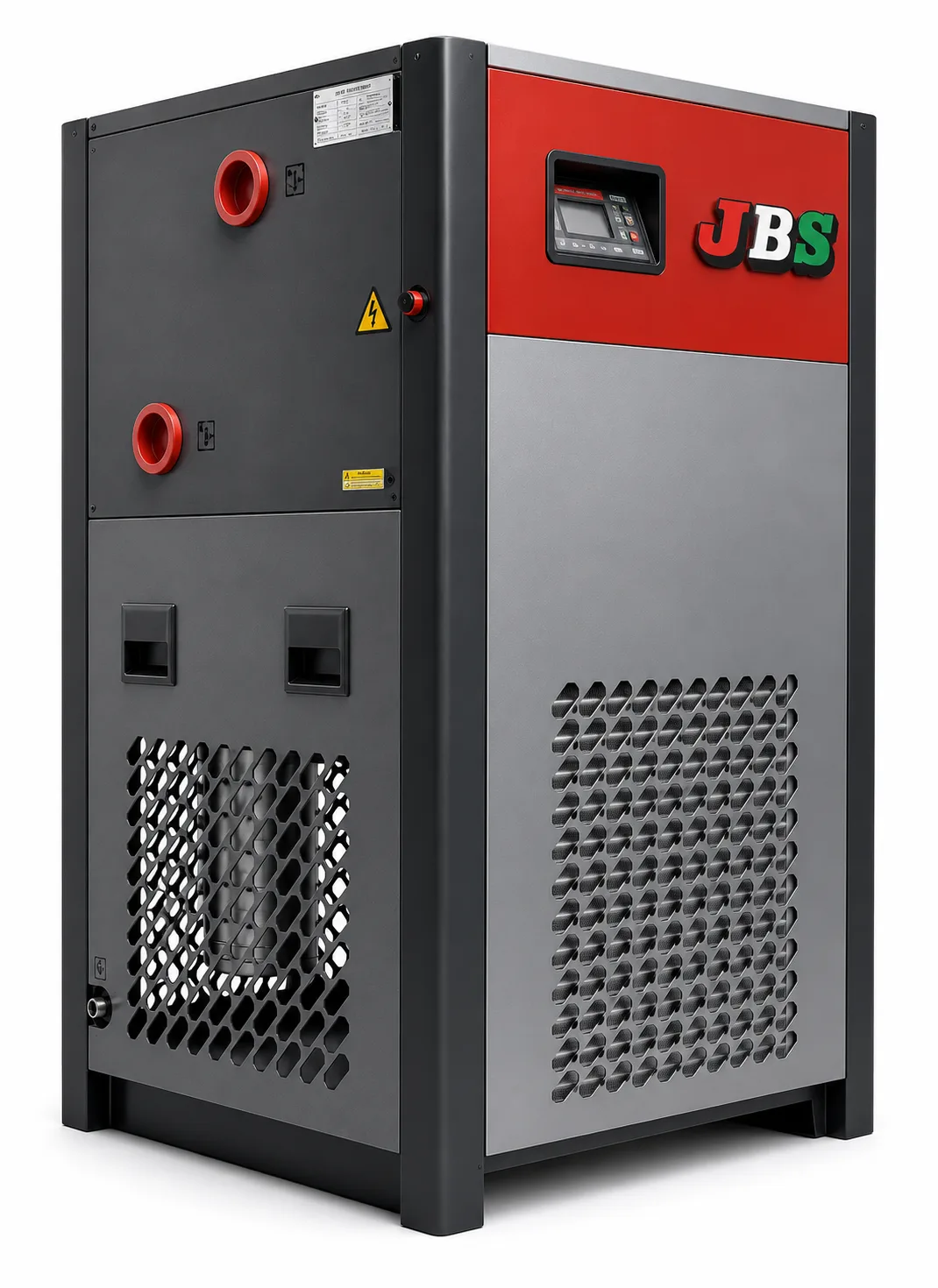
For spray painting and sensitive pneumatic applications, suitable filters and compressed air dryers may be required to reduce moisture, oil and particles. Regular checks of the oil, intake filter, belts, condensate drain and receiver support safe and efficient operation.