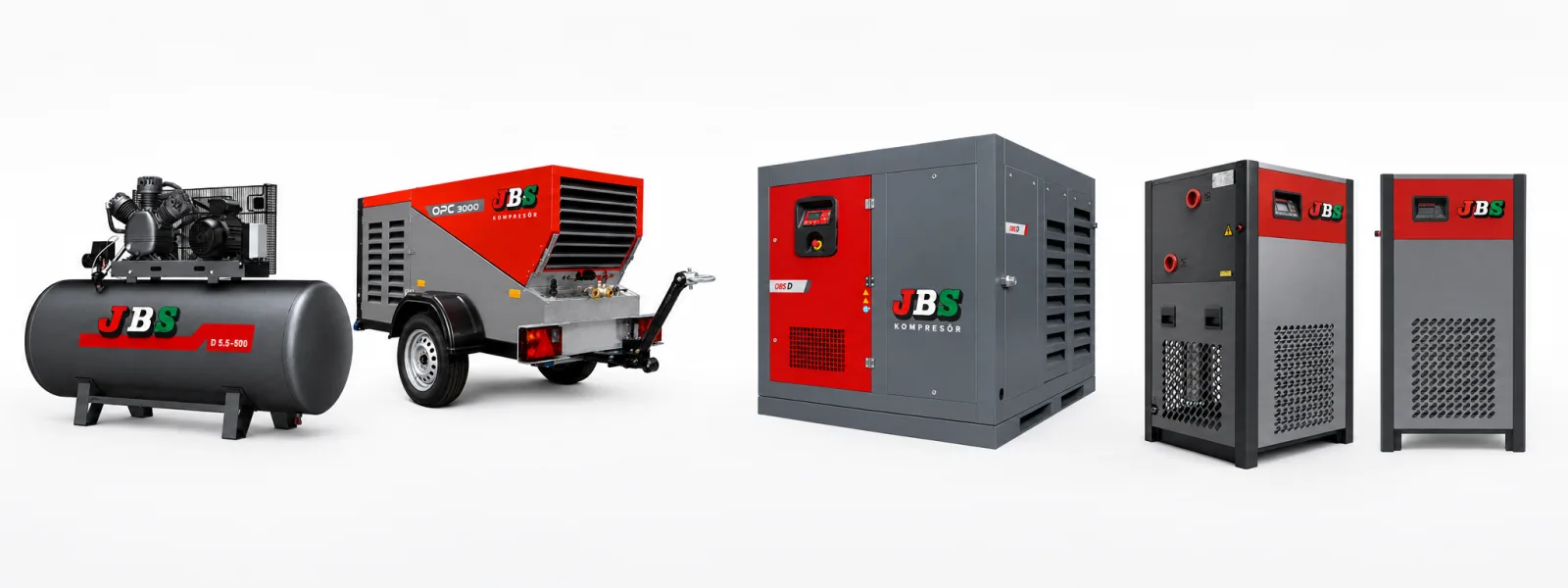
In a car wash, compressed air can be used to pressurise foam tanks, blow dust and water from vehicle details, inflate tyres and power pneumatic tools. If the compressor is undersized, pressure can drop, foam application may become unstable and the machine may run continuously and overheat.
How Many Bar Does a Car Wash Need?
Many car-wash air tools and foam systems operate within an 8–10 bar compressor range, but the exact requirement should be checked against the connected equipment.
How Large Should the Tank Be?
For a small or medium single-bay operation, a 200-litre receiver can often be practical. Higher vehicle volume or simultaneous air consumers may justify 300–500 litres or a larger system.
Air Delivery Is More Important Than Tank Size Alone
A large tank cannot compensate for insufficient compressor output. Add the air consumption of tools that may operate together and choose enough real delivered air.
Foam Tank Applications
Foam tanks need stable regulated air pressure. If pressure falls during use, foam quality and spray consistency can suffer.
When Is a 200-Litre Compressor Enough?
It may be sufficient where air is used intermittently for one wash bay and the compressor output matches the tools.
When Is 500 Litres More Appropriate?
Busy multi-bay operations or businesses running several pneumatic devices at the same time may benefit from a larger receiver and higher output.
Reciprocating or Screw?
Piston compressors suit intermittent demand. Screw compressors are worth considering where compressed air is required for long, continuous operating periods.
220 V or 380 V?
Power requirements depend on motor size. Verify the site's electrical infrastructure before selecting the compressor.
Conclusion
Choose the car-wash compressor by simultaneous air demand, daily working hours and available power, not simply by litre capacity.
Recommended Solutions
Related Products and Categories
Common Questions
Frequently Asked Questions
What determines the price of an air compressor?
The price of an air compressor depends on factors such as motor power, air delivery capacity, maximum pressure, tank size, duty cycle, compressor type, build quality, noise level, and included accessories. Professional and industrial compressors are generally more expensive because they are designed for higher performance, longer operating hours, and greater durability.
What should you consider when choosing an air compressor?
When selecting a compressor, working pressure, air flow rate, tank capacity, motor power, voltage, and daily operating time should be evaluated. The total air demand of the equipment to be connected should also be calculated.
How many bar should an air compressor have?
The required pressure depends on the application. For many workshop and car wash applications, 8–10 bar may be sufficient. Equipment requiring higher pressure should be matched with a compressor of suitable capacity.
Why is compressor air flow important?
Air flow rate indicates how much air the compressor can supply within a given period. If the selected flow is lower than the equipment requires, pressure can drop and operating performance may decrease.
Where is an air compressor used in a car wash?
In car wash businesses, it can be used for tire inflation, blowing dirt from narrow interior areas, operating pneumatic equipment, foam systems, and drying processes.
Why does a compressor switch on so frequently?
Insufficient tank capacity, high air consumption, leaks in the system, or incorrect pressure settings can cause the compressor to cycle frequently.
Can multiple pieces of equipment be connected to one compressor?
Yes, but the total air consumption of equipment operating simultaneously must be calculated. The compressor's air flow and tank capacity must safely meet this demand.