JBS Makina offers professional car wash machines in 150, 200 and 250 bar options, including cold-water, hot-cold and trigger-controlled models. Compare the right car wash machine for your business with Hawk pump technology, different water flow rates and 220 V / 380 V power options.
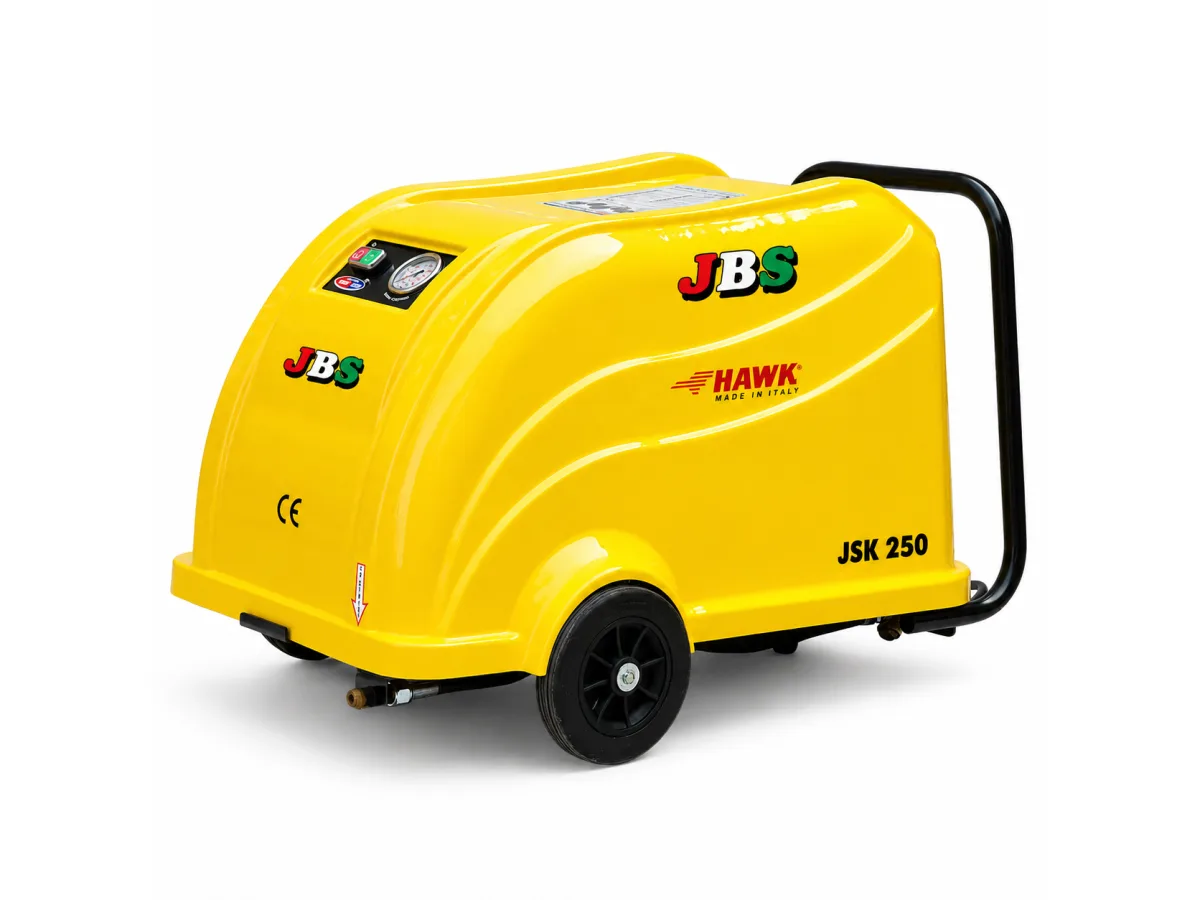
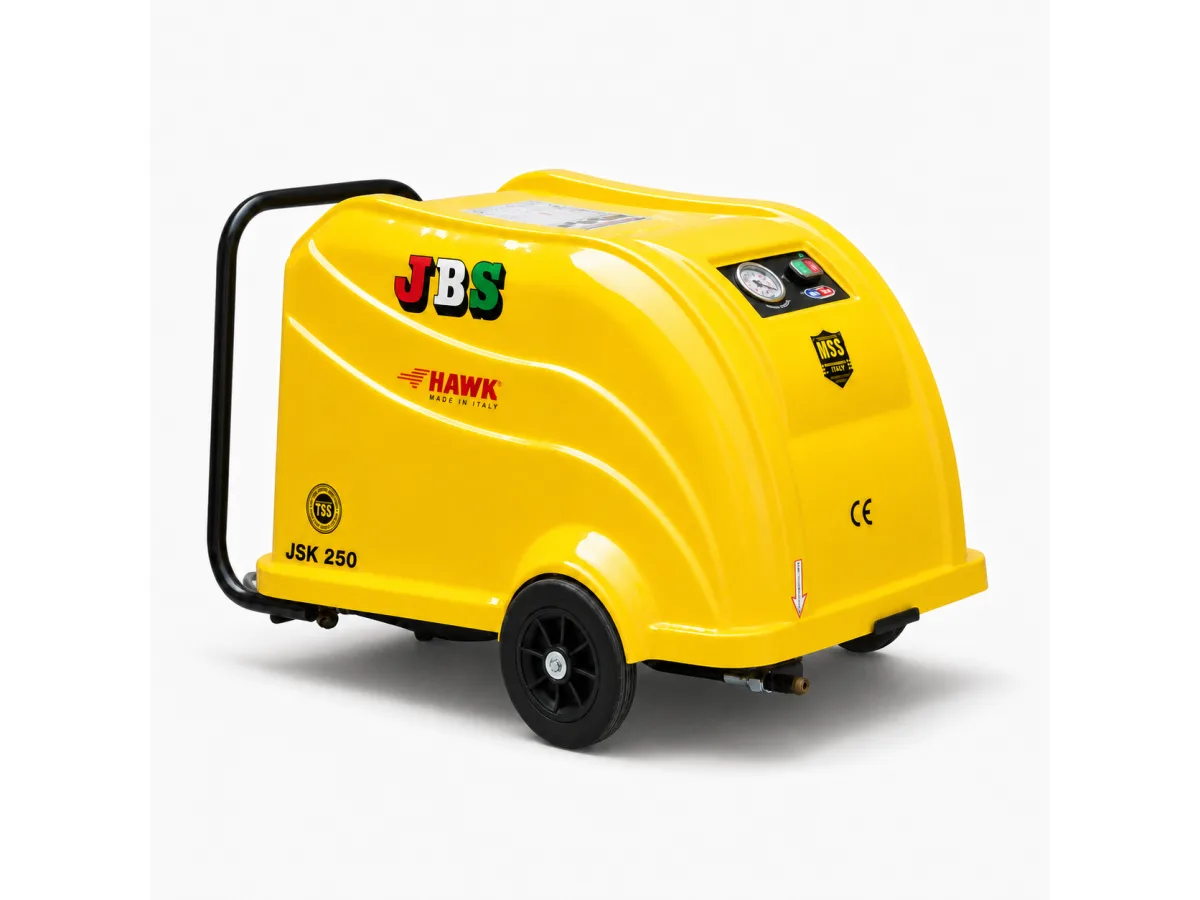
The JBS JSK 250 is a professional cold water pressure washer built for intensive vehicle and industrial cleaning. Its adjustable 20–250 bar pressure, reliable Original Italian HAWK pump and powerful 5.5 kW 7.5 Hp motor quickly remove mud and stubborn dirt from cars, commercial vehicles, heavy equipment and hard surfaces. A durable commercial pressure washer engineered for demanding car wash businesses and fleet operators.
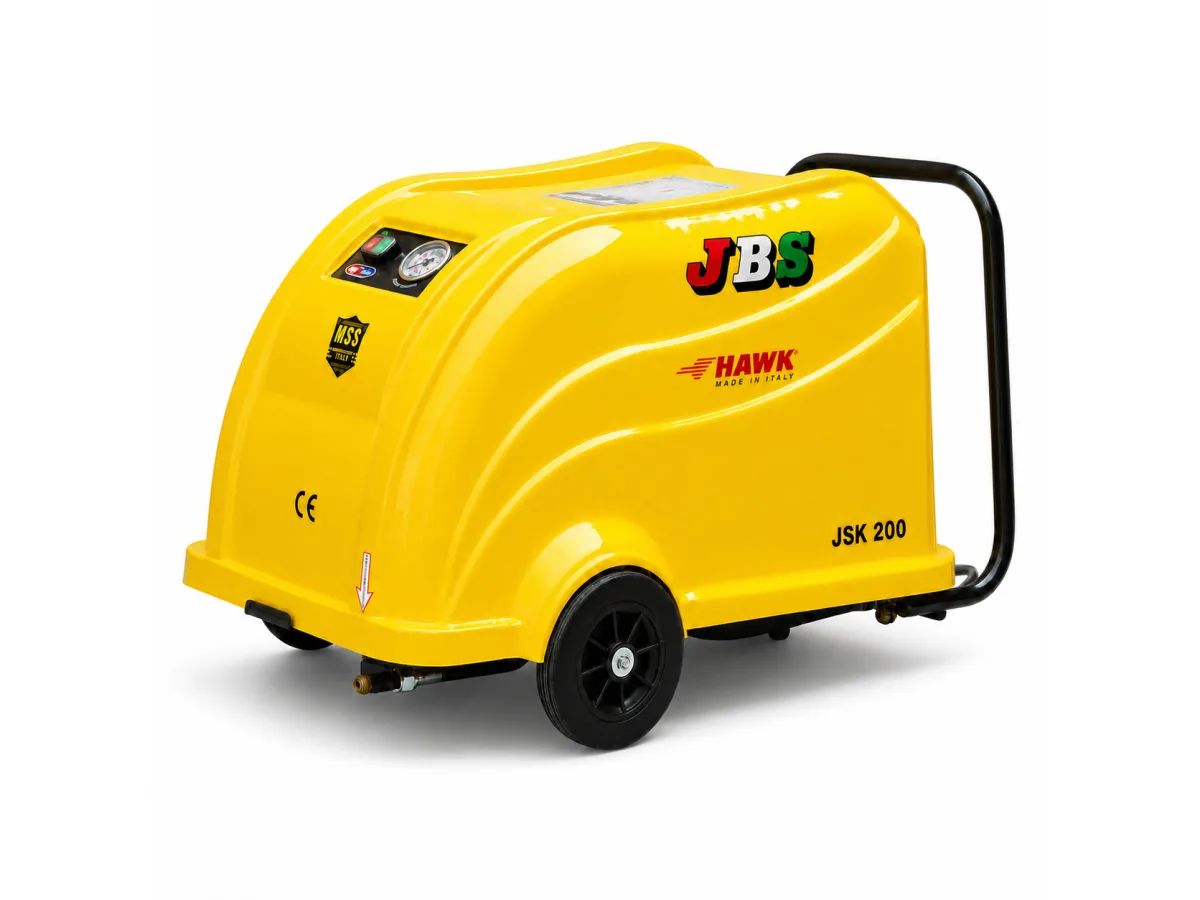
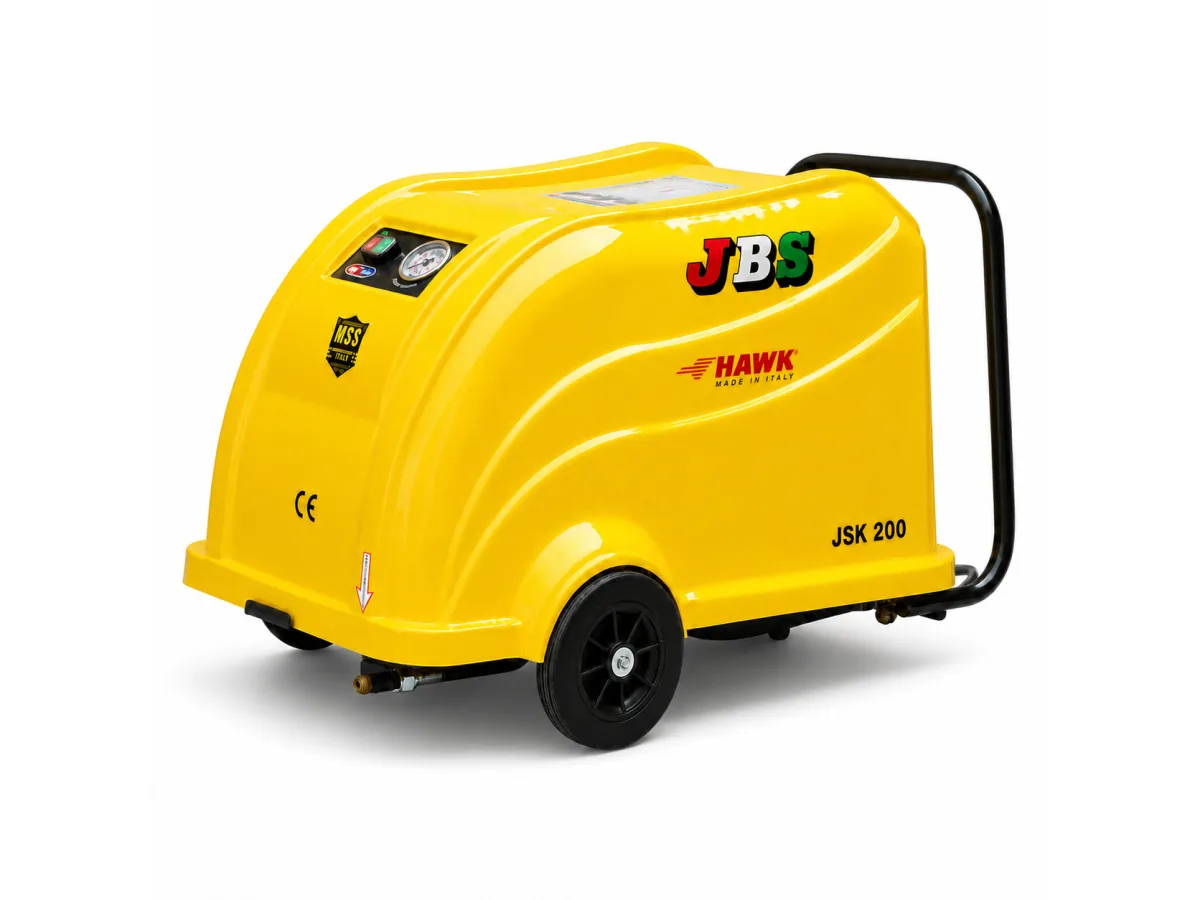
The JSK-200 is a professional cold water pressure washer developed for car wash businesses and demanding industrial cleaning applications. With an adjustable working pressure of 20–200 bar, a 14 L/min water flow rate, a 5.5 kW three-phase motor and a durable Original Italian Hawk pump, this 200 bar industrial pressure washer delivers reliable high-pressure cleaning for cars, commercial vehicles, trucks, machinery and heavy equipment.
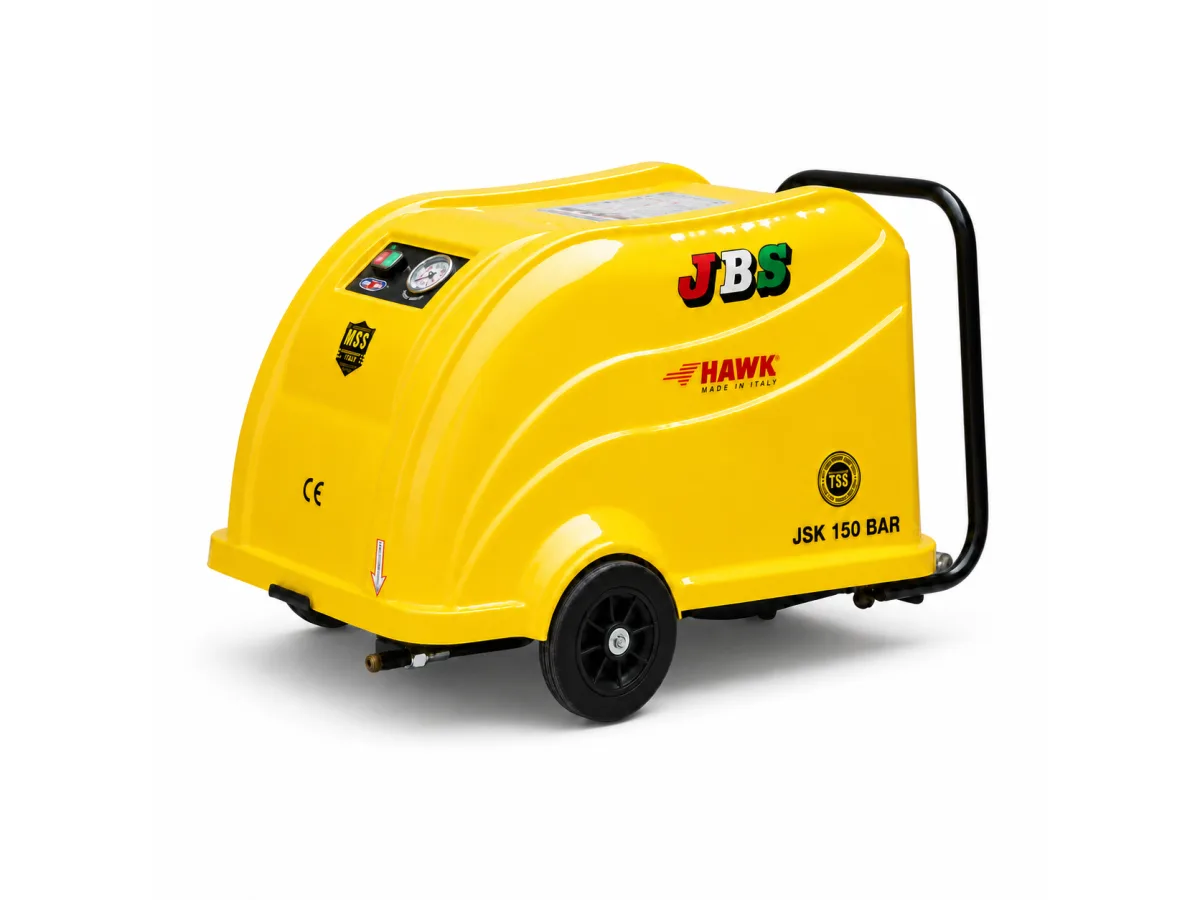
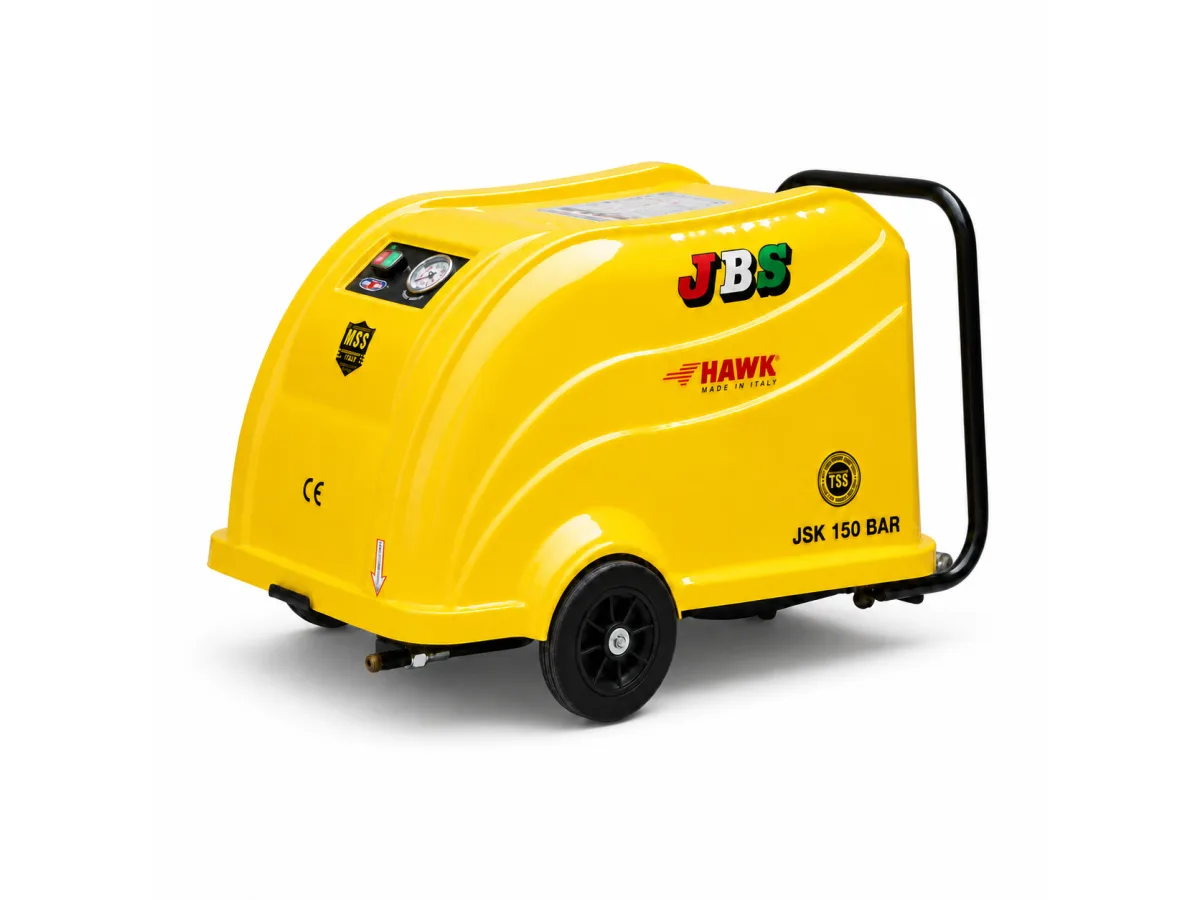
The JSK 150 is a 150 bar cold water pressure washer designed for car wash businesses, garages and vehicle dealerships. This professional pressure washer features adjustable 20–150 bar working pressure, an 11 L/min flow rate, a 3 kW motor, 220 V power supply and durable Original Italian Hawk pump. The commercial pressure washer effectively removes dirt from cars, motorcycles and light commercial vehicles.
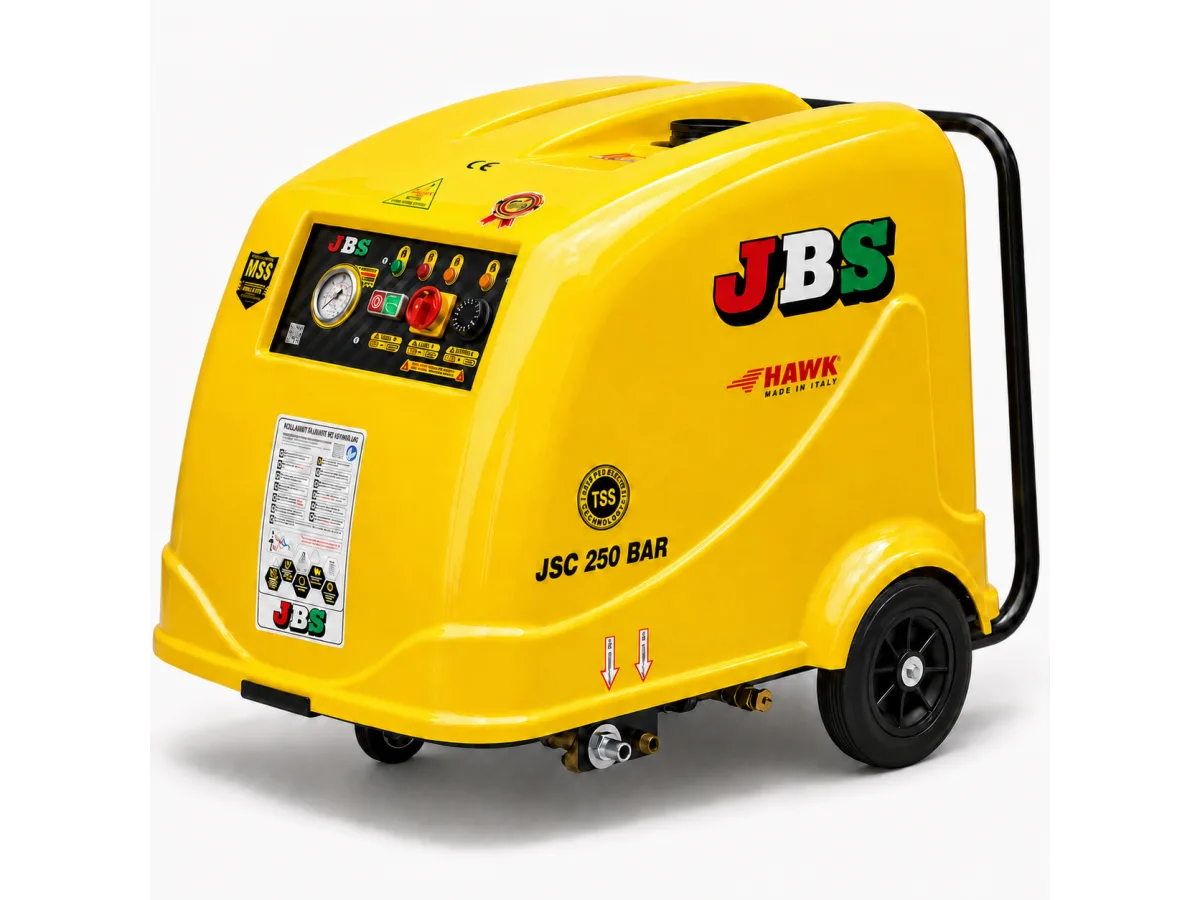
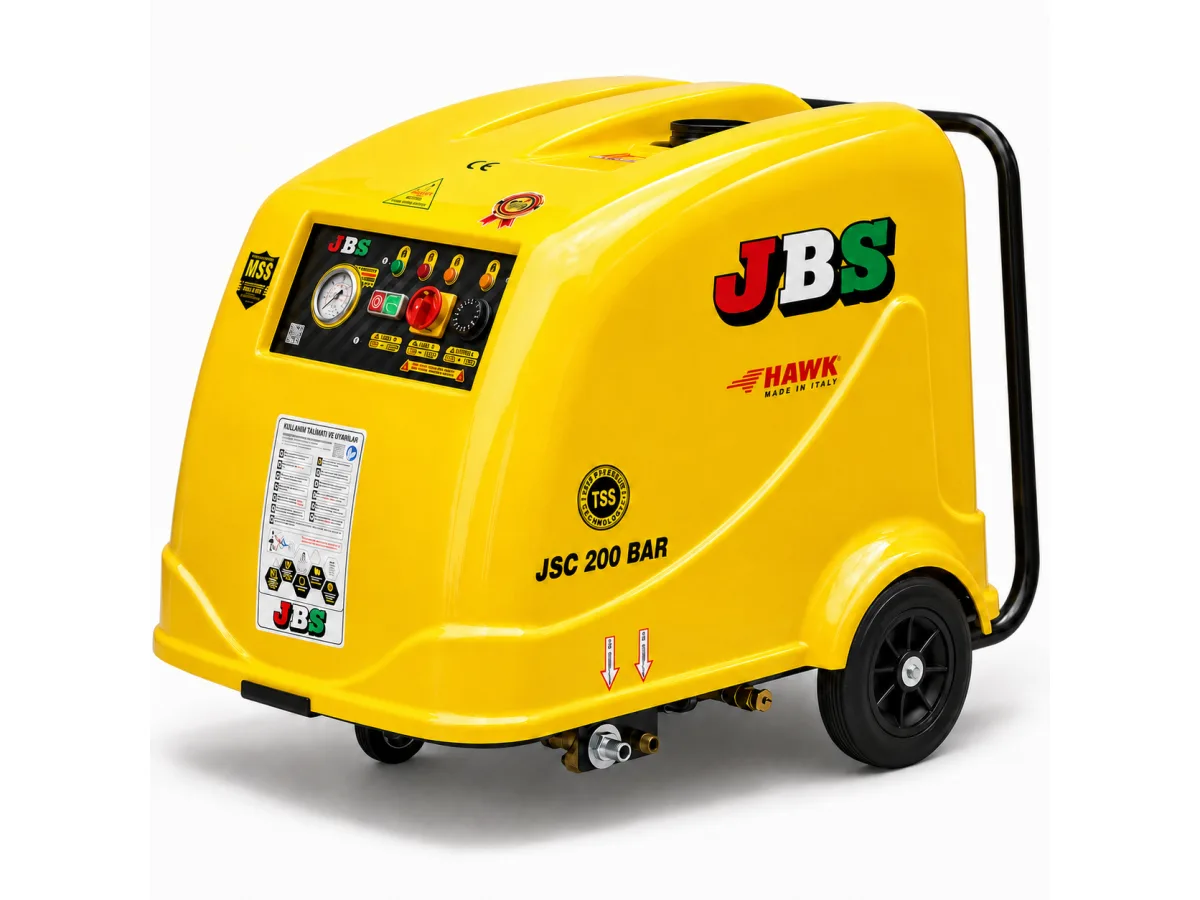
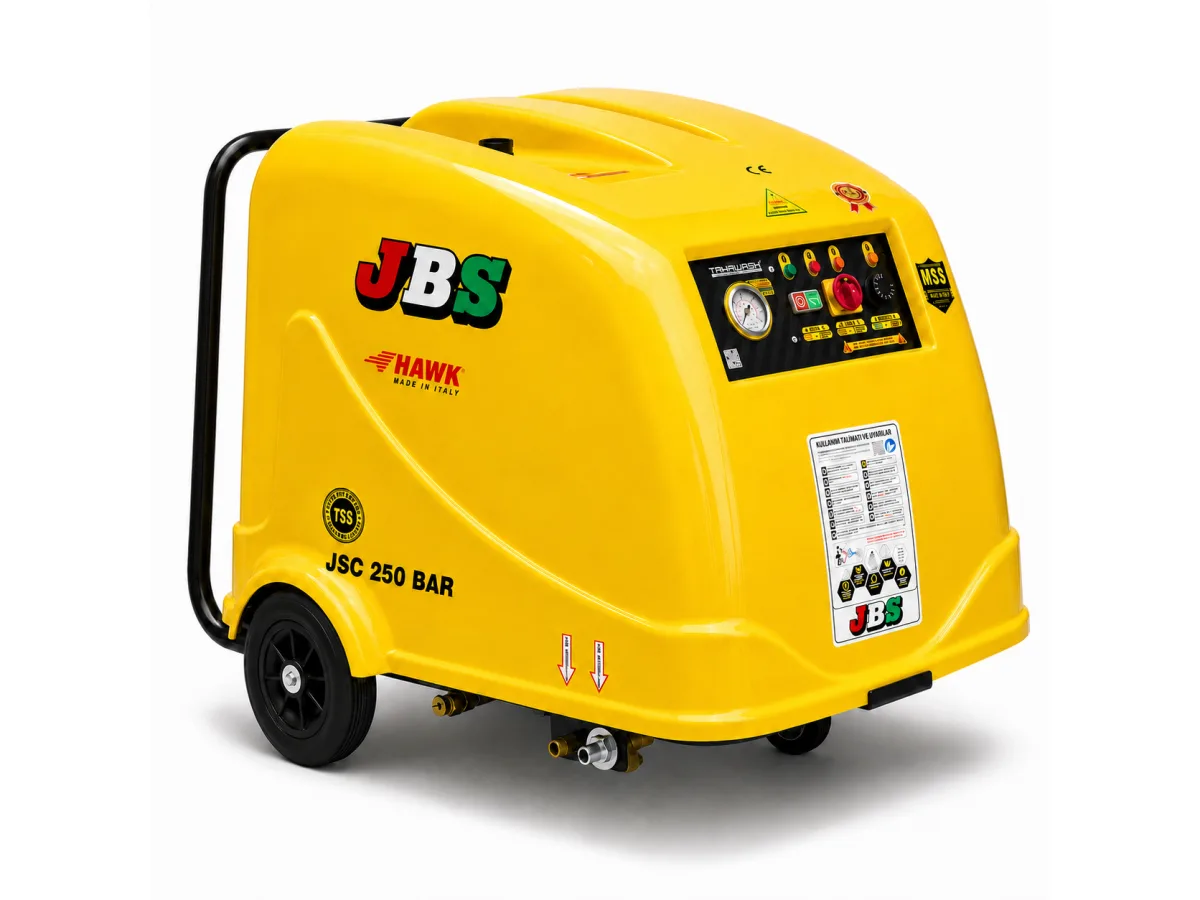
The JSC-250 is a 250 bar hot water pressure washer designed for professional car wash and industrial cleaning. This hot and cold water pressure washer features adjustable 20–250 bar pressure, a 15 L/min flow rate, 5.5 kW three-phase motor, Original Italian Hawk pump and water temperature up to 60°C. It effectively removes grease, mud and stubborn dirt from cars, trucks, machinery and equipment.
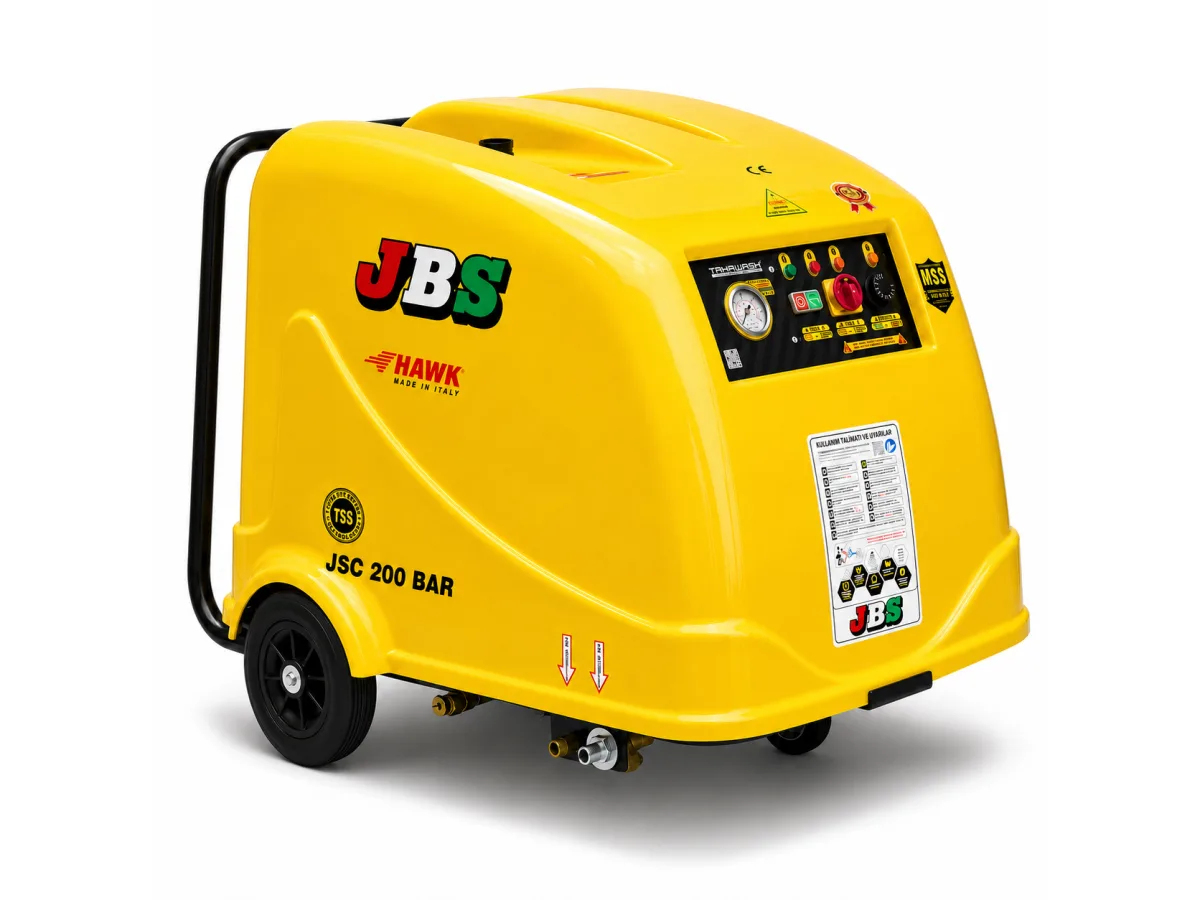
The JSC-200 is a 200 bar hot water pressure washer designed for professional car wash and industrial cleaning. This hot and cold water pressure washer features adjustable 20–200 bar pressure, a 14 L/min flow rate, 5.5 kW three-phase motor, Original Italian Hawk pump and water temperature up to 60°C. It effectively removes grease and stubborn dirt from cars, commercial vehicles, machinery and equipment.
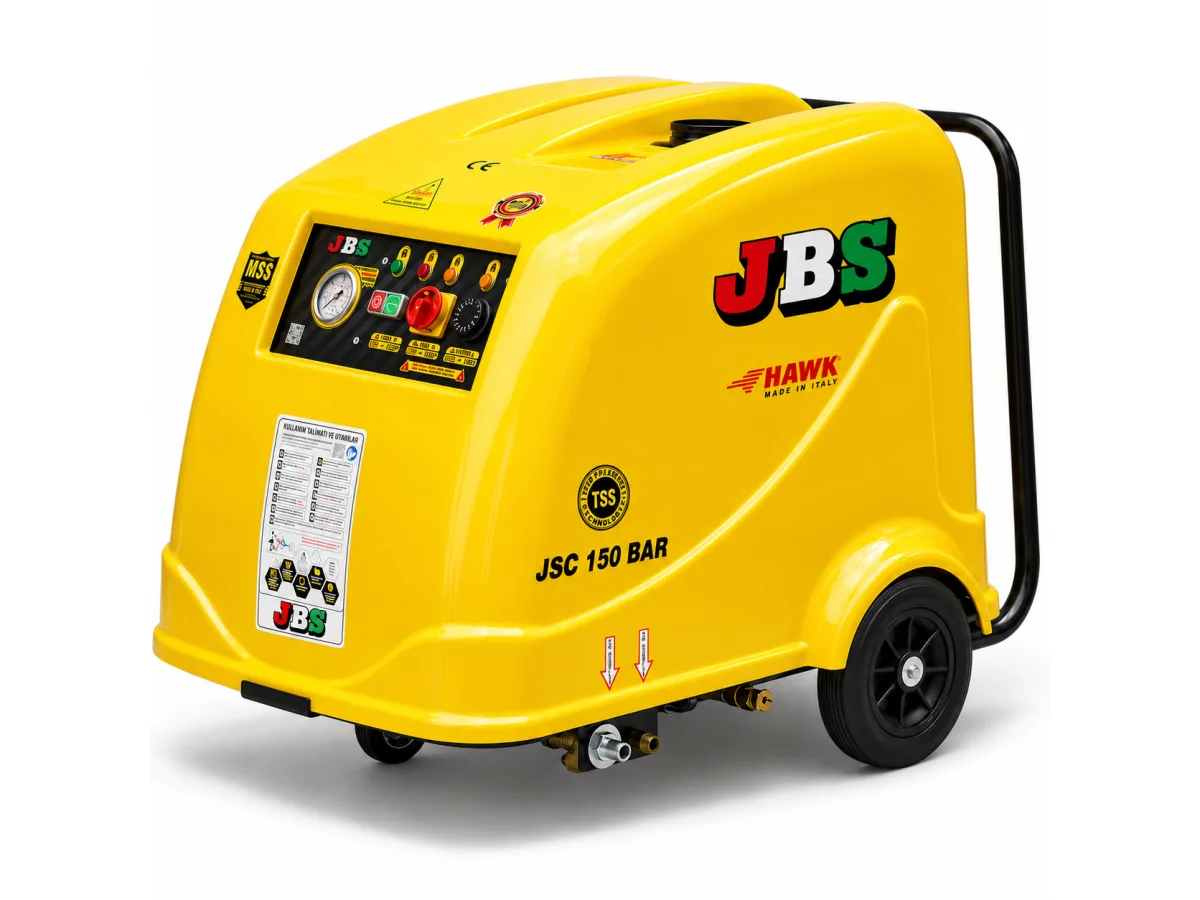
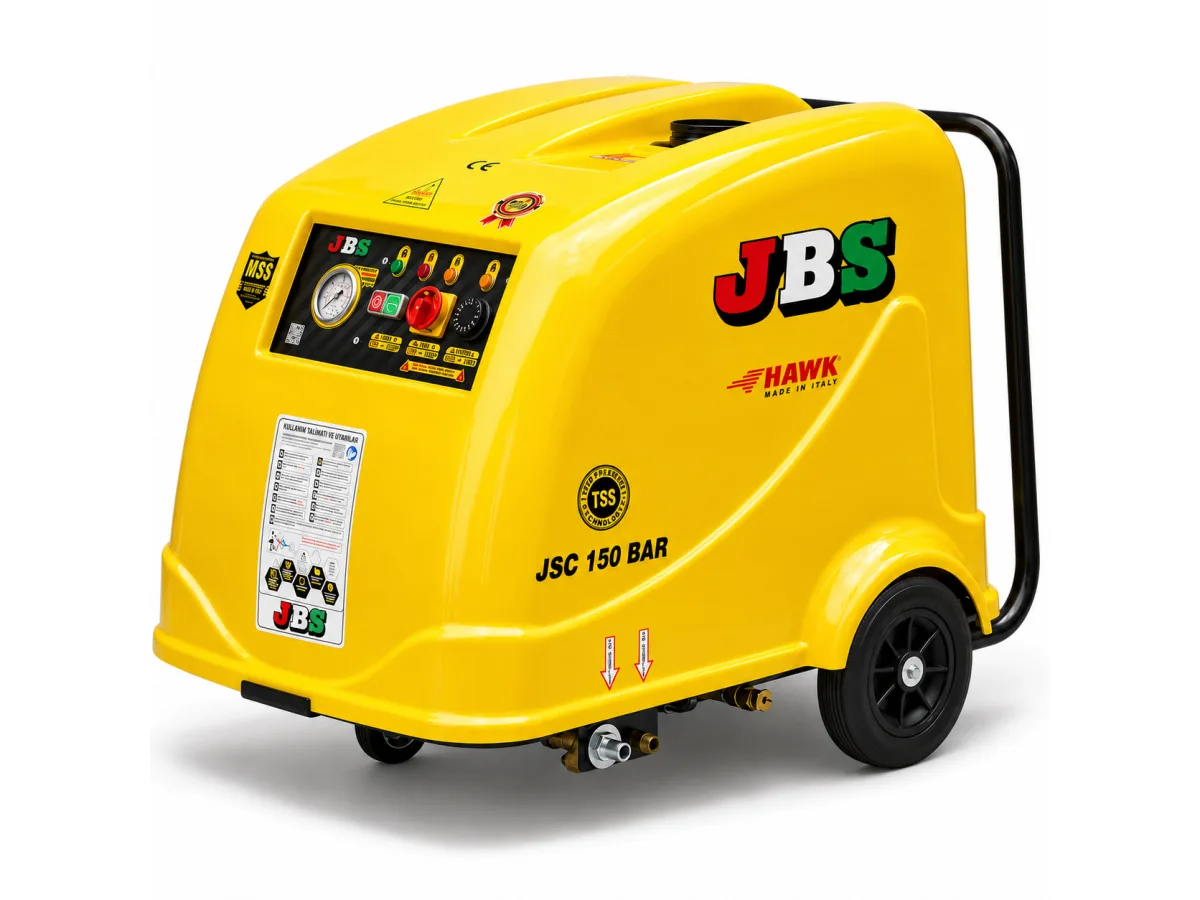
The JSC-150 is a professional 150-bar hot water pressure washer designed for car wash businesses, workshops, and detailing centres. It offers 20–150 bar adjustable pressure, an 11 L/min water flow, a 3 kW motor, 220 V operation, and a durable Original Italian Hawk pump. This hot and cold pressure washer removes grease and stubborn dirt from cars, motorcycles, and light commercial vehicles.
The JSKT-250 is a professional 250-bar cold water pressure washer designed for car wash businesses and heavy-duty cleaning. It delivers 20–250 bar adjustable pressure, a 15 L/min flow rate, a 5.5 kW three-phase motor, and a durable Hawk pump. Its trigger-controlled spray gun provides precise water control while removing stubborn dirt from cars, trucks, construction machinery, and industrial equipment.
.The JSK 200 is a professional 200-bar cold water pressure washer designed for car wash businesses and demanding cleaning tasks. It delivers 20–200 bar adjustable pressure, a 14 L/min flow rate, a 5.5 kW three-phase motor, and a durable Hawk pump. Its trigger-controlled spray gun provides precise water control while removing stubborn dirt from cars, commercial vehicles, construction machinery, and industrial equipment.
The JSK 150 is a professional 150-bar cold water pressure washer designed for car wash businesses, workshops, and dealerships. It provides 20–150 bar adjustable pressure, an 11 L/min flow rate, a 3 kW motor, 220 V operation, and an Italian AR or Hawk pump. Its trigger-controlled spray gun enables precise water control while cleaning cars, motorcycles, and light commercial vehicles.
The JSC 250 is a professional 250-bar hot water pressure washer designed for car wash and industrial cleaning. It offers 20–250 bar adjustable pressure, a 15 L/min flow rate, a 5.5 kW three-phase motor, a Hawk pump, and 30–90 °C water temperature. This hot and cold water pressure washer uses a trigger-controlled spray gun to remove grease and stubborn dirt from cars, trucks, and construction machinery.
The JSC 200 is a professional 200-bar hot water pressure washer for car washes and demanding vehicle cleaning. It features 20–200 bar adjustable pressure, 14 L/min flow, a 5.5 kW three-phase motor, an Italian AR pump, and 30–90°C water temperature. Its trigger-controlled spray gun removes grease, oil, and stubborn dirt efficiently.
The JSC 150 is a professional 150-bar hot water pressure washer for car washes and vehicle cleaning. It offers 20–150 bar adjustable pressure, 11 L/min flow, a 3 kW single-phase motor, an Italian AR pump, and 30–90°C water temperature. Its trigger-controlled spray gun uses hot or cold water to remove oil, mud, and road grime efficiently.
JBS Makina professional car wash machines are designed for cleaning cars, commercial vehicles, trucks, construction machinery and industrial equipment. High-pressure water helps remove mud, road dirt, oil and stubborn deposits while supporting faster and more efficient cleaning operations.
The range includes 150, 200 and 250 bar models for different workloads and vehicle types. When choosing a commercial pressure washer, working pressure should be considered together with water flow rate, motor power, voltage, pump construction and daily operating time.
Cold-Water Car Wash Machines
Cold-water models provide an efficient solution for routine vehicle washing, mud removal and general exterior cleaning. They are suitable for car washes, detailing centres, garages, petrol stations, dealerships and vehicle fleets.
For different operating requirements, explore the JSK 150, JSK 200 and JSK 250 cold-water car wash machines.
Hot and Cold Water Car Wash Machines
Hot and cold water car wash machines are suitable for routine vehicle washing as well as demanding applications involving oil, grease and stubborn dirt. Hot water helps loosen oily contamination on engine compartments, chassis components, commercial vehicles and industrial equipment.
Compare the JSC 150, JSC 200 and JSC 250 models according to your required pressure, flow rate and electrical infrastructure.
A 150 bar machine may be suitable for passenger vehicles and moderate use. High-volume professional car washes may consider 200 bar models, while 250 bar machines can be evaluated for trucks, commercial vehicles and demanding cleaning work. Vehicle type, daily operating time, available voltage and hot-water requirements should always be considered together.
Car Wash Machines Use Cases
Professional Car Wash Businesses - Car wash machines are used for regular and intensive cleaning of vehicle bodies, wheels, road dirt and exterior surfaces.
Car Detailing & Vehicle Care Centres - Suitable for pre-washing, wheel cleaning and exterior vehicle preparation before detailing and vehicle-care processes.
Auto Repair Shops & Service Centres - Professional vehicle washing machines can be used for customer vehicles, wheels and suitable automotive parts during service and maintenance operations.
Car Dealerships & Showrooms - Used to prepare new and used vehicles for display, sale and customer delivery.
Car Rental Companies & Vehicle Fleets - Suitable for regular washing of rental cars, company vehicles and large vehicle fleets.
Commercial Vehicles, Vans, Buses & Trucks - Professional car wash machines can also be used for vans, minibuses, buses, trucks and other commercial vehicle fleets.
Car Wash Machines Advantages
Powerful Cleaning Performance - Professional car wash machines use high-pressure water to remove mud, road dirt and stubborn contamination from vehicle surfaces efficiently.
Faster Vehicle Washing - High-pressure cleaning helps reduce washing time, allowing professional car wash businesses to serve more vehicles during busy periods.
Controlled Water Consumption - Compared with uncontrolled hose washing, professional pressure washing systems use water more efficiently by concentrating the water flow where it is needed.
Professional Cleaning for Different Vehicle Types - Adjustable pressure and suitable accessories allow car wash machines to be used for passenger cars, vans and commercial vehicles.
Detailed Exterior Cleaning - High-pressure water helps clean wheels, wheel arches, door areas and other exterior sections where dirt can accumulate.
Designed for Professional Workloads - Professional machines with suitable pump, motor and flow capacity are designed for regular commercial vehicle-washing operations.
Buying Guide
What Should You Look for When Buying a Professional Car Wash Machine?
A professional car wash machine should not be selected by maximum pressure or price alone. Daily vehicle volume, water flow rate, working pressure, pump construction, motor power, electrical supply and after-sales support should be evaluated together.
Compare Pressure and Flow Rate Together – Pressure helps loosen dirt, while water flow rate (L/min) carries contamination away. A higher PSI or bar rating alone does not guarantee faster professional washing.
Match the Machine to Daily Vehicle Volume – For small and medium operations, the [JSK-150 Cold Water Car Wash Machine] provides adjustable 20–150 bar pressure, 11 L/min flow and 220 V operation. JSK-150 Cold Water Car Wash Machine
200 Bar for Regular Professional Washing – Businesses with higher daily workloads can consider the [JSK-200], offering 20–200 bar working pressure, 14 L/min flow and a 5.5 kW three-phase motor. JSK-200 Professional Car Wash Machine
Choose 250 Bar Only When the Application Requires It – Commercial vehicles, chassis and heavier contamination may require higher pressure and flow. The [JSK-250] provides adjustable pressure up to 250 bar and 15 L/min water flow. JSK-250 Commercial Pressure Washer
Cold Water or Hot Water Pressure Washer? – Cold-water machines are suitable for mud, dust and routine road dirt. For regular removal of oil, grease and heavy contamination, consider hot and cold water car wash machines. Hot and Cold Water Car Wash Machines
Check Pump Quality, Duty Cycle and Service – Pump construction, ceramic plungers, seals, motor protection, serviceability, spare-parts availability and after-sales support are critical for commercial use.
Short answer: The best commercial car wash pressure washer is not necessarily the machine with the highest PSI. Choose the system with the right pressure, GPM/L-min flow, duty cycle, pump quality and electrical requirements for your workload.
Professional car wash machine prices vary according to the machine's technical specifications and operating capacity. Machines that can run continuously for long periods, provide high pressure, and use durable pump systems are generally positioned in a higher price segment.
What Should You Consider When Choosing a Car Wash Machine?
Learn what to consider when choosing a car wash machine, including pressure, water flow, pump quality, power requirements, accessories, service support and business usage needs.
Is a Single-Phase Car Wash Machine Sufficient for Professional Use?
It may be sufficient for small businesses with a low daily vehicle volume. However, three-phase models may be more suitable for intensive use.
Which is the best car wash machine?
The best car wash machine depends on your business's daily vehicle capacity, the types of vehicles you wash (passenger cars, SUVs, commercial vehicles, or heavy-duty trucks), your workload, and your budget. Choosing the right machine is essential for achieving high performance, reducing operating costs, and ensuring long-term reliability.
Share your requirements with us, and our expert team will recommend the most suitable JBS Makina car wash machine for your business, helping you make the right investment with confidence.
What should you consider when choosing a car wash machine manufacturer?
When choosing a car wash machine manufacturer, you should consider product quality, manufacturing experience, technical specifications, customization options, warranty conditions, spare parts availability, installation support, maintenance services, and after-sales technical support. For professional projects, it is also important to evaluate the manufacturer’s references, export experience, energy and water efficiency, and ability to provide solutions tailored to your business needs.
Which Car Wash Machine Model Is Best for Your Business?
The right car wash machine model should be selected according to daily vehicle volume, pressure requirement, water flow rate, power supply, usage intensity, surface type, accessories and service support.
Find the Right Car Wash Machine for Your Business
Tell us which vehicles you wash and your daily operating volume. Our team will recommend the right model and provide technical information and a quotation.