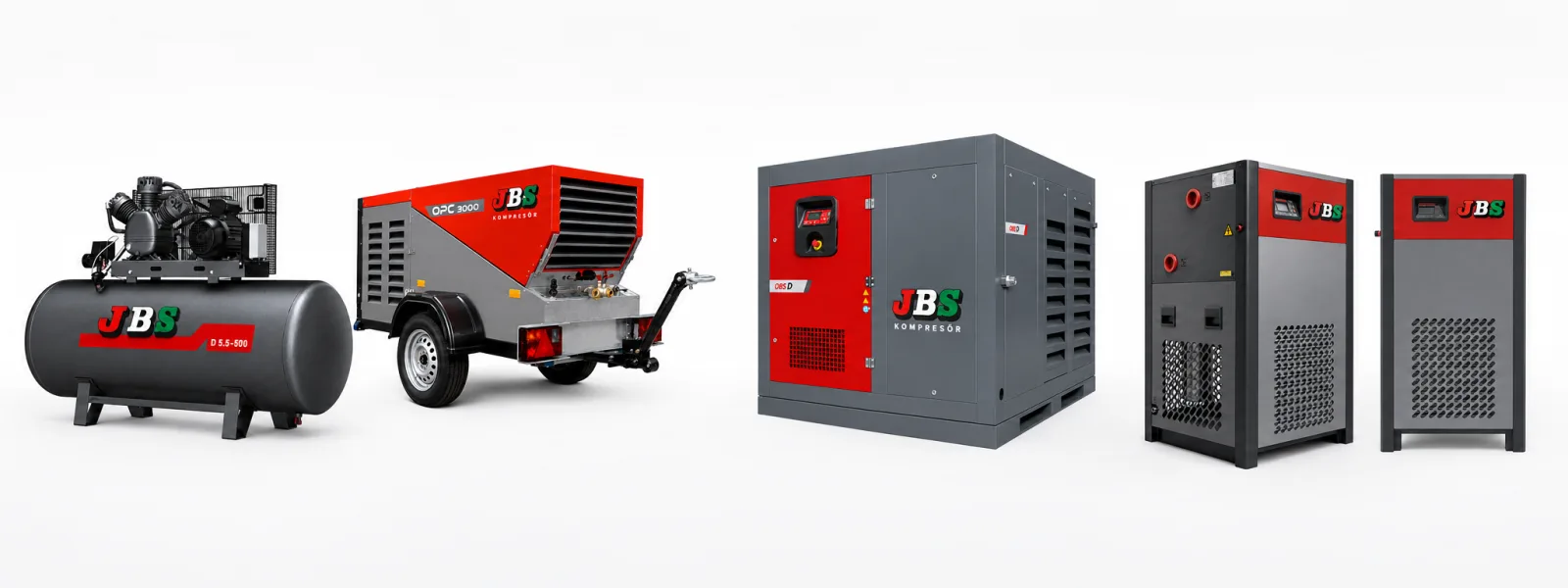
For 200-litre compressors, a common maximum working-pressure range is 8 to 10 bar. This is suitable for many tyre-inflation, blow-gun, car-wash, light painting and pneumatic-tool applications. Some heavy-vehicle or specialised industrial tasks may require 12 bar or more.
What Do 200 Litres and 10 Bar Mean?
Two hundred litres describes the receiver-tank volume. Bar describes air pressure. A 200-litre tank does not automatically mean the compressor should operate at 10 or 12 bar.
8 Bar or 10 Bar?
Choose according to the highest pressure required by the connected tools, while allowing for normal pressure losses in regulators, filters, hoses and pipework.
Car Wash Use
For many car wash functions such as foam tanks, blow guns and standard pneumatic tools, an 8–10 bar compressor can be sufficient when it also provides adequate air flow.
Tyre and Painting Applications
Tyre equipment and spray tools should be checked for their specified working pressure and air consumption. The compressor must meet both requirements.
More Bar Does Not Mean More Capacity
A higher pressure rating does not replace insufficient air delivery. Compressor output and duty cycle determine whether pressure can be maintained during real use.
How Much Air Flow Is Needed?
Add the consumption of tools that may run simultaneously and choose a compressor with a practical reserve above this demand.
220 V or 380 V?
Electrical supply depends on motor size and model design. Professional 200-litre units may use single-phase or three-phase power, so site infrastructure must be checked.
Safety
Never adjust a compressor above the manufacturer's rated tank and system pressure. Pressure switches and safety valves are critical protection devices.
Conclusion
For many applications, 8–10 bar is a practical range for a 200-litre compressor, but real air delivery and tool requirements should determine the final choice.
Recommended Solutions
Related Products and Categories
Common Questions
Frequently Asked Questions
What should you consider when buying an air compressor?
When buying an air compressor, you should consider the required working pressure, air delivery capacity, tank size, motor power, duty cycle, compressor type, noise level, maintenance requirements, and energy efficiency. For professional or industrial use, it is especially important to choose a compressor that can provide sufficient airflow for all connected tools and operate reliably during intensive daily use.
What is an air compressor used for?
An air compressor converts electrical or mechanical energy into compressed air, which can be used to power pneumatic tools and equipment. It is commonly used for tire inflation, air blow guns, cleaning, pneumatic tools, spray applications, workshops, car washes, and industrial systems. The required compressor capacity depends on the working pressure and air consumption of the connected equipment.
Why is air compressor tank capacity important?
Air compressor tank capacity is important because it determines how much compressed air can be stored and how long tools can operate before the compressor motor needs to restart. A larger tank can provide more stable air pressure, reduce frequent motor cycling, and support tools with high or intermittent air demand. However, tank size should always be evaluated together with air delivery capacity, working pressure, and duty cycle.
Why does an air compressor run continuously?
An air compressor may run continuously if there is an air leak, the air demand is higher than the compressor’s capacity, the pressure switch is faulty, the intake filter is clogged, or internal components such as valves or piston rings are worn. If the compressor cannot reach the set pressure, it may continue running without stopping. Regular maintenance and checking the system for leaks can help prevent this problem.
Why is an air compressor not building pressure?
An air compressor may fail to build pressure due to air leaks, a clogged air filter, worn piston rings, damaged valves, a faulty pressure switch, loose connections, or problems with the check valve. Low oil levels or internal mechanical wear can also reduce performance in oil-lubricated models. If the compressor runs continuously but pressure does not increase, the system should be checked for leaks and component wear.
What is an air compressor?
An air compressor is a machine that draws in ambient air and compresses it to produce compressed air. The generated air is used for pneumatic equipment, cleaning, painting, tire inflation, and various industrial processes.