JBS Makina
Menu
Language

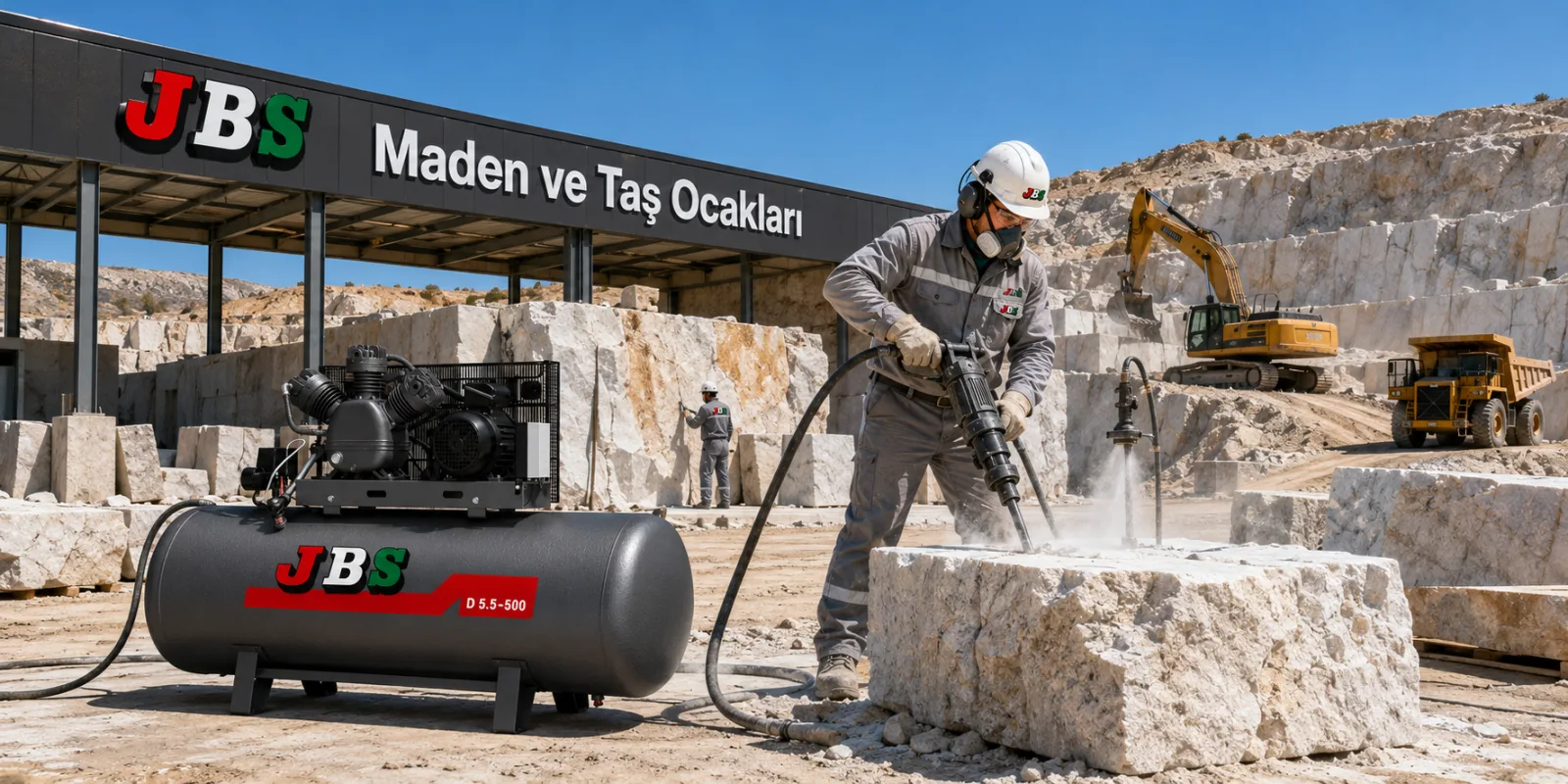
Mines and Quarries

Quarry and mining operators face heavy mud on haul trucks, loaders and maintenance bays. Select pressure washing for approved surfaces while controlling sediment, water supply and downtime. Request JBS Makina equipment specifications and a tailored quotation.

Mines and Quarries

Keep Quarry Haul Roads and Exit Points Manageable

Aggregate quarries run dumpers, articulated haulers and delivery lorries over unpaved routes throughout the working day. Wet weather leaves mud on tyres and underbodies, and departing traffic can transfer sediment onto public roads. A quarry vehicle wash bay should therefore be positioned where operators can manoeuvre safely without blocking weighbridges or incoming loads.

Remove larger stones and debris before washing permitted vehicle surfaces. A handheld washer cannot always match a dedicated wheel-wash system at busy sites. Compare peak departures, wash time and available queue space before committing to a layout.

Water carrying stone fines must be collected rather than discharged across traffic routes or into surface drains.

Prepare Loaders and Haul Trucks for Maintenance

Mud and fine aggregates collect around loader buckets, haul-truck chassis and other accessible external parts. Washing approved areas before inspection can help maintenance teams see damaged guards, leaks and fasteners. It does not justify spraying every mechanical component.

Commercial cold-water pressure washing can remove ordinary soil from robust surfaces where the equipment manufacturer allows it. Protect electrical connectors, bearings, hydraulic seals, sensors and air intakes. Secure machinery against movement and keep personnel away from the high-pressure jet.

JBS Makina's cold-water pressure washer range includes equipment for heavy vehicles and professional wash areas. Where oily maintenance deposits are frequent, assess the suitability of heated washing separately rather than assuming greater pressure will remove grease safely.

Do Not Confuse Silica Dust Control with Pressure Washing

Crushing, screening and conveyor transfer points can release fine mineral dust. Where rock contains crystalline silica, respirable particles pose a serious occupational health concern. Dust suppression must be engineered around the source, not improvised by directing a vehicle washer at moving machinery.

Suitable controls may include enclosed cabs, correctly designed water sprays, extraction, conveyor skirts and maintained ventilation. The right combination depends on the quarry's exposure assessment. Pressure washers are not substitutes for engineered dust-control systems.

Electrical cabinets, live conveyor assemblies and sensitive plant should never be indiscriminately sprayed. Approved shutdown and energy-isolation procedures apply when machinery needs cleaning or servicing.

Likewise, sweeping dry fines or using compressed air may redistribute hazardous dust. A site-specific housekeeping method should control exposure rather than move contamination from one work area to another.
Match Equipment and Water Treatment to the Site

Pressure rating alone does not indicate whether a washer suits a quarry. Assess daily plant numbers, expected duty, working hose length, site power and available water. The JBS JSK-250 is specified for adjustable 20–250 bar, 15 L/min and 380 V three-phase power; UK electrical compatibility must be confirmed before purchase.

At 15 L/min, uninterrupted spraying represents a theoretical 900 litres of water per hour. Sediment settling, recirculation and permitted discharge arrangements must be assessed against local requirements. Oil-contaminated wash water may need additional controls.

Consider nozzle wear, pump maintenance and downtime as well as initial price.

Share your daily wash volume, vehicle types, available utilities and sediment management arrangements with JBS Makina. Request a site-specific technical recommendation and commercial quotation.

Request a Quarry Equipment Washing Quote

Related Products

Rotary Screw Air Compressors

Air Compressors

OSC-V Series Variable-Speed Screw Air Compressors

Model: OSC-V

JBS OSC-V variable-speed screw air compressors combine a 55 kW motor, 9.5 m³/min airflow and 7–13 bar working pressure for industrial sites with fluctuating demand. Variable-speed control matches motor output to air consumption, while the Poly-V belt drive and Maestro controller support stable, reliable compressed-air supply for manufacturing, automotive, metalworking and pneumatic production applications.

Details WhatsApp Quote
Vidalı Booster Kompresori

Air Compressors

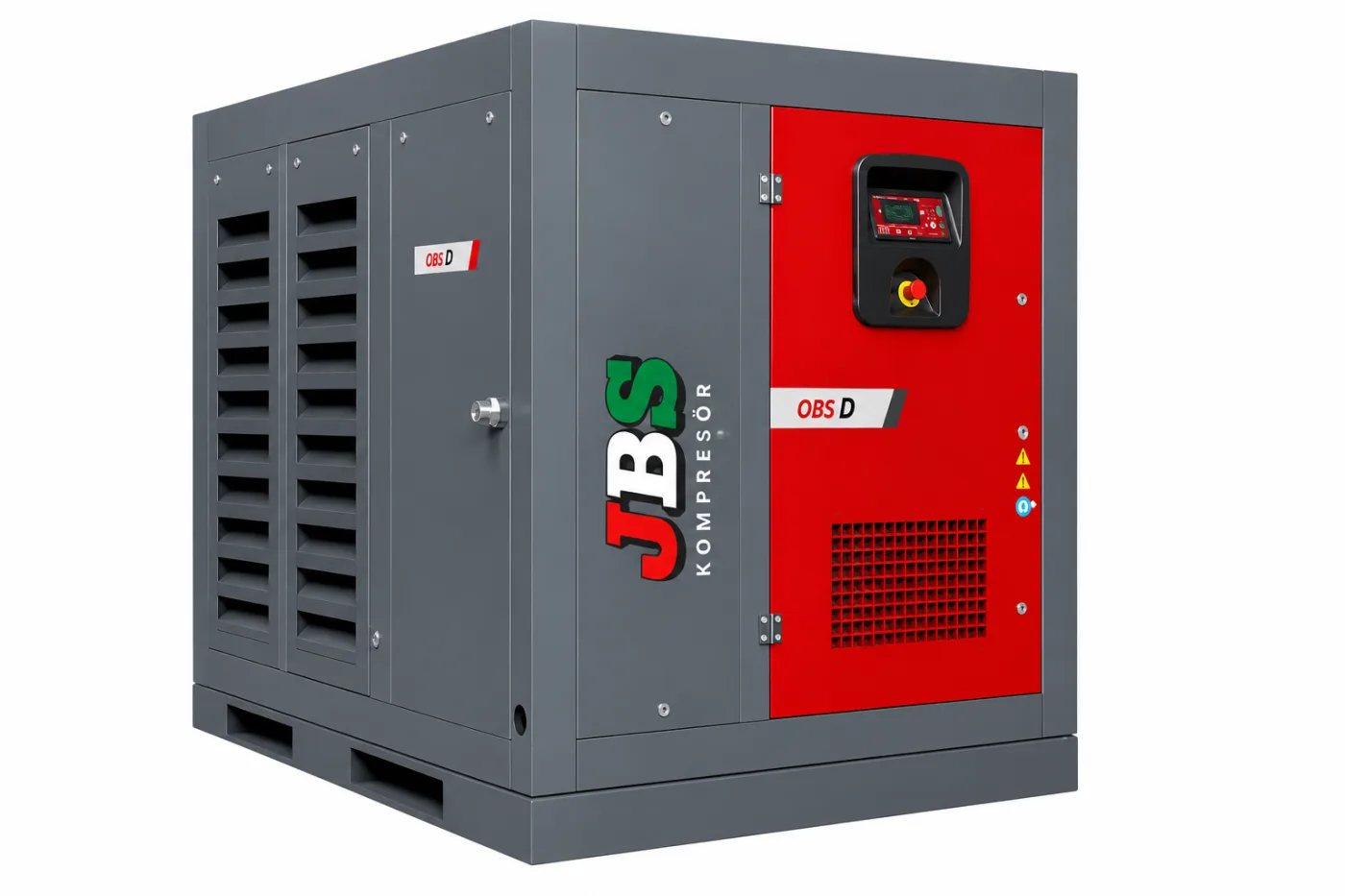
OBS 18-D Screw Booster Compressor

Model: 18-D

JBS OBS 18 D is a screw booster compressor for plants that need higher pressure only at selected points of use. Its 18.5 kW / 25 HP drive works with pre-compressed inlet air and 30–40 bar configurations, targeting PET blow moulding, pressure testing and industrial processes where stable airflow, duty continuity and controlled pressure matter.

Details WhatsApp Quote
Opc Seyyar Compressor Serisi

Air Compressors

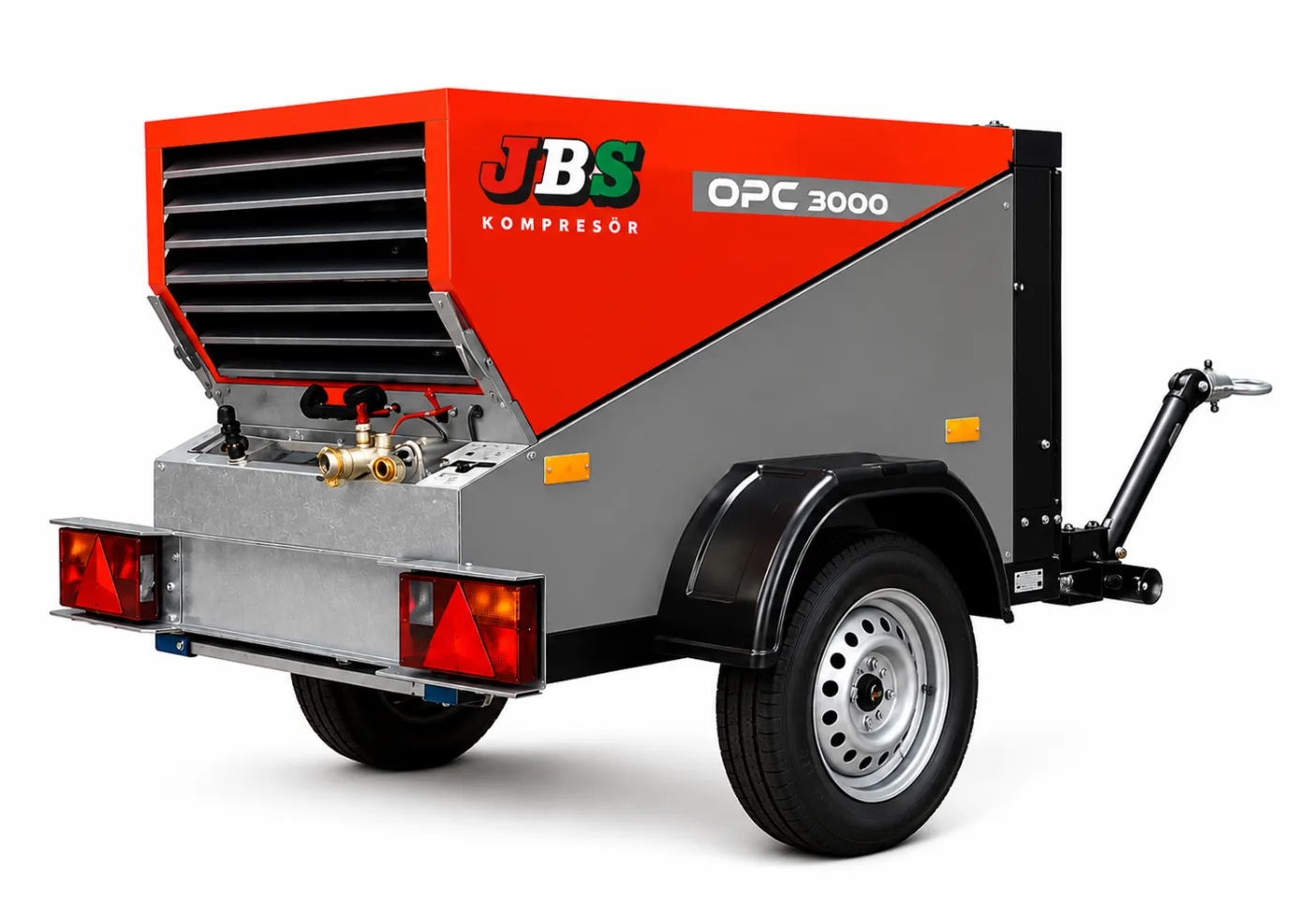
OPC Series Portable Compressors

Model: OPC

JBS OPC portable compressors target contractors needing compressed air away from mains power. With 1.2–5 m³/min output across 7–15 bar configurations, the range supports breakers, drilling, abrasive blasting, roadwork and cable blowing. Selected models use Kubota Stage V engines, with skid or towable configurations helping plant operators move site air between demanding jobs efficiently.

Details WhatsApp Quote
300 L Piston Air Compressor

Air Compressors

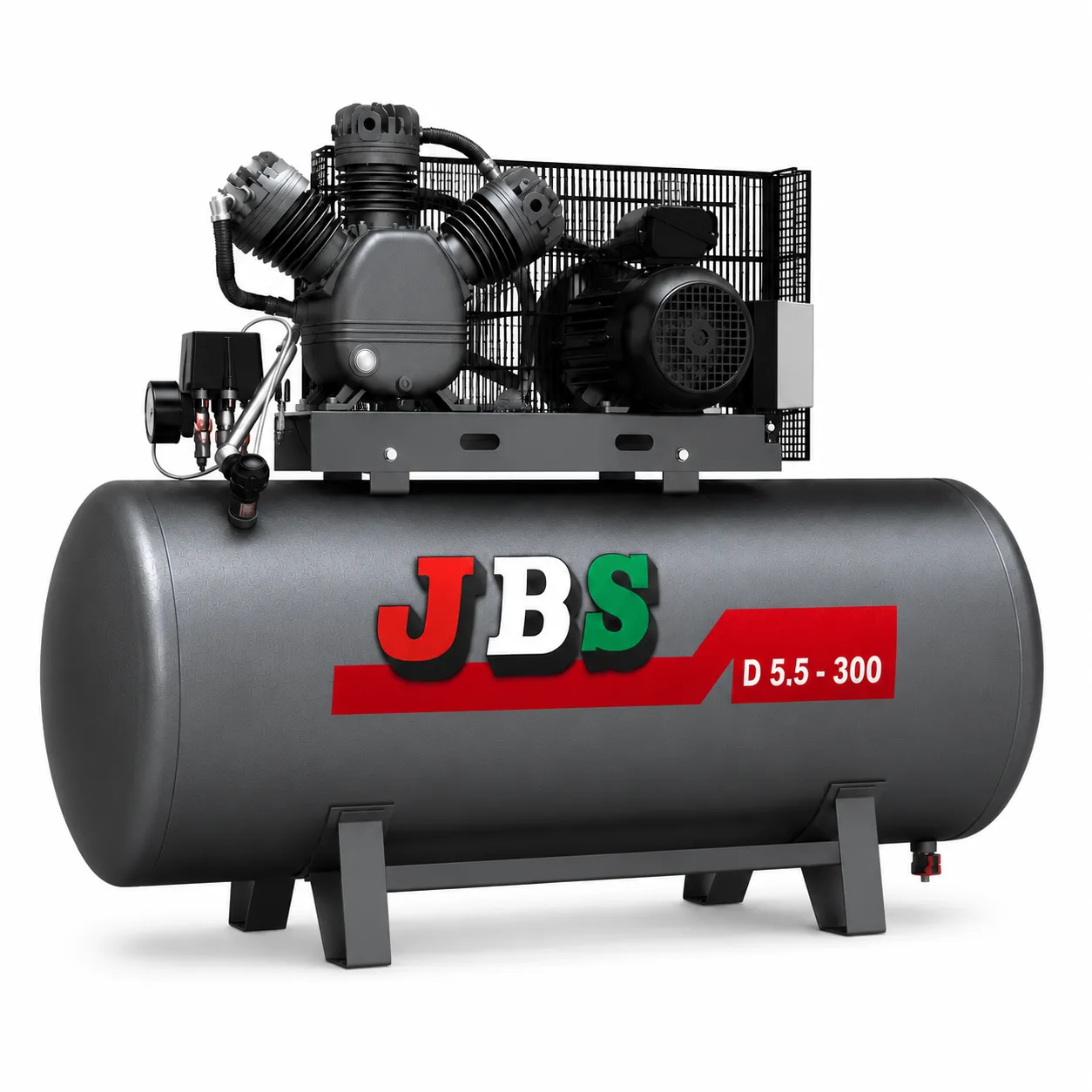
D-5.5-300 Piston Air Compressor

Model: D-5,5-300

JBS D 5.5-300 is a workshop piston air compressor with a 4 kW / 5.5 HP motor, 7 bar working pressure, 649 L/min intake and 250 L receiver. Built for garages and service bays with intermittent demand, it provides stored air for tyre inflation, blow guns and compatible pneumatic tools without continuous-duty screw-compressor investment.

Details WhatsApp Quote

Related Categories