Car Wash Business Startup Cost: Investment Guide
The real car wash business startup cost is not limited to washing equipment. Investors should calculate site preparation, drainage, electrical infrastructure, water treatment, automation, permits and working capital before committing to a project.
For larger commercial sites, the right equipment configuration should be selected according to daily vehicle volume, wash-bay count and available utilities.
What Determines Car Wash Startup Cost?
A professional investment budget should separate the project into five groups:
-
Land or lease costs
-
Concrete, drainage and site construction
-
Water and electrical infrastructure
-
Washing equipment and automation
-
Permits, installation and working capital
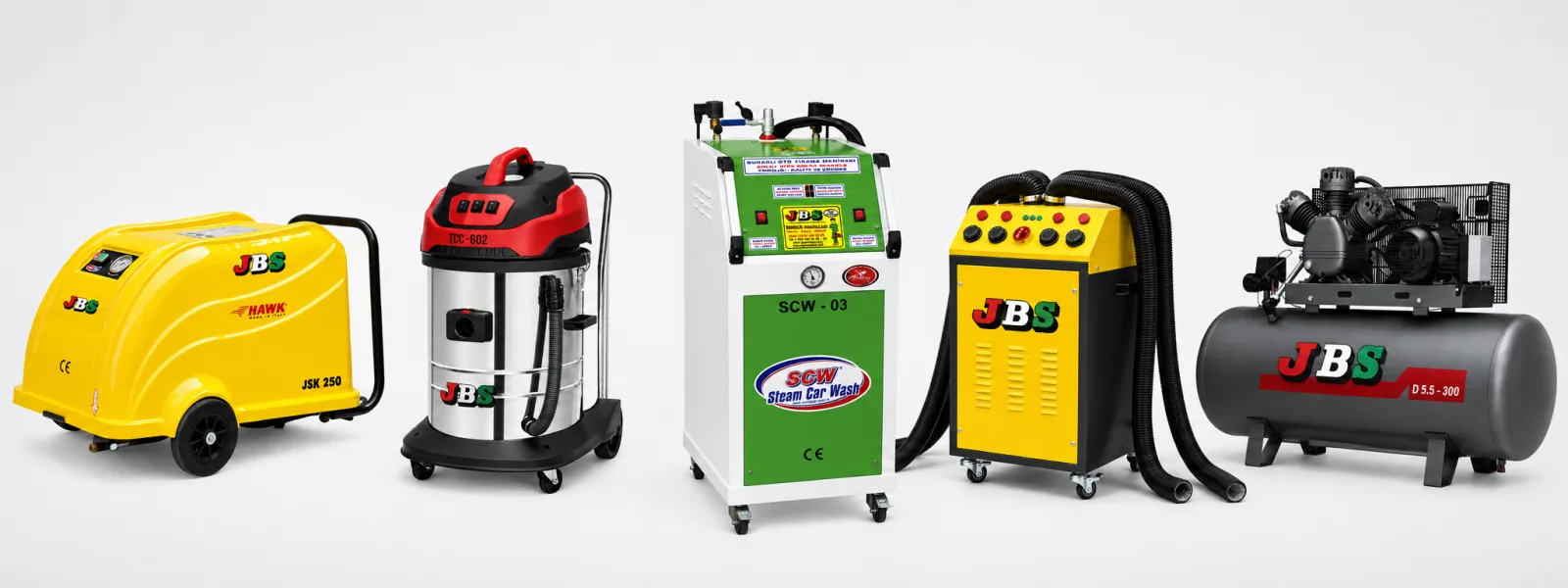
Investors can compare JBS Car Wash Machines according to pressure, flow rate and intended workload.
Turnkey Car Wash Cost vs Separate Purchasing
A turnkey car wash cost includes more than the machines themselves. Electrical supply, pumps, water lines, control panels, payment technology and commissioning should be engineered as one project.
Buying equipment separately may reduce the initial quotation, but incompatible pumps, control systems or utilities can create additional installation costs later.
For larger investments, compare total CAPEX and long-term operating cost rather than equipment price alone.
Self-Service Car Wash Setup
A self-service car wash setup requires additional automation compared with a manually operated wash.
Typical project components include:
-
High-pressure wash system
-
Foam and wax dosing
-
Payment terminal
-
Automation/control panels
-
Water treatment
-
Vacuum and blower stations
-
Central or individual pump systems
JBS offers Self-Service Car Wash Systems for single-bay, dual-bay and multi-bay projects.
Costs Investors Often Underestimate
The most frequently missed items are:
-
Concrete slope and drainage
-
Three-phase electrical installation
-
Water storage and filtration
-
Automation panels
-
Oil/water separation where required
-
Reverse osmosis or water softening
-
Installation and commissioning
-
Spare parts and consumables
-
Initial working capital
A low equipment quotation can therefore produce a higher final project cost if the site infrastructure has not been assessed first.
Water Treatment and Reclaim Systems
Water quality affects equipment life, wash quality and operating cost.
Depending on local water quality and discharge regulations, a project may require filtration, water softening, reverse osmosis or wastewater treatment/reclaim equipment.
For larger self-service and commercial sites, water recycling can also reduce fresh-water consumption and long-term utility costs.
Car Wash Permits and Site Approval
There is no single global answer to how to get a car wash business license. Requirements vary by country, municipality and wastewater authority.
Before signing a lease or starting construction, investors should confirm:
-
Zoning and permitted commercial use
-
Water and sewer connections
-
Wastewater discharge requirements
-
Oil/water separation requirements
-
Electrical and fire-safety rules
-
Building and operating permits
Local approval should be confirmed before equipment procurement.
Choosing the Right Equipment
For routine passenger-car washing, Cold Water Car Wash Machines may be sufficient.
For workshops, fleets and applications involving grease or oil, Hot and Cold Water Car Wash Machines can be evaluated.
Selecting equipment that is too small can limit throughput. Oversizing the system increases CAPEX and electrical infrastructure costs.
Simple Car Wash Investment Checklist
Before requesting a final quotation, confirm these points:
-
Site location and available area
-
Number of wash bays
-
Expected vehicles per day
-
Manual or self-service operating model
-
Available 220/380 V or three-phase power
-
Water pressure and daily water capacity
-
Drainage and wastewater connection
-
Water softening or reverse osmosis requirement
-
Payment system requirements
-
Vacuum and blower requirements
-
Local permit and zoning status
-
Installation and commissioning scope
-
Spare-parts and maintenance plan
-
Working capital for the first operating months
A quotation based on these inputs is far more reliable than comparing equipment prices alone.
Request a Project-Specific Car Wash Quote
Explore JBS Makina’s commercial pressure washers, steam car wash machines and self-service car wash systems. To compare all product groups, visit the JBS Makina product catalogue, or contact JBS Makina to request a current quotation based on your daily vehicle capacity and operating requirements.
Recommended Solutions
Related Products and Categories
Common Questions
Frequently Asked Questions
Which is the best car wash machine?
The best car wash machine depends on your business's daily vehicle capacity, the types of vehicles you wash (passenger cars, SUVs, commercial vehicles, or heavy-duty trucks), your workload, and your budget. Choosing the right machine is essential for achieving high performance, reducing operating costs, and ensuring long-term reliability. Share your requirements with us, and our expert team will recommend the most suitable JBS Makina car wash machine for your business, helping you make the right investment with confidence.
How much do car wash machines cost?
Car wash machine prices vary depending on factors such as operating pressure, hot or cold water capability, motor power, pump system, intended use, and technical specifications. There are significant price differences between machines designed for residential use and industrial-grade models built for professional car wash businesses.
Is it suitable for professional car wash businesses?
Yes. It is suitable for car wash businesses, service centers, fuel stations, and mobile cleaning services.
What should you consider when choosing a car wash machine?
Working pressure, water flow rate, motor power, water temperature, energy consumption, and daily operating time should be considered. Warranty, spare-parts availability, and technical service options should also be evaluated.