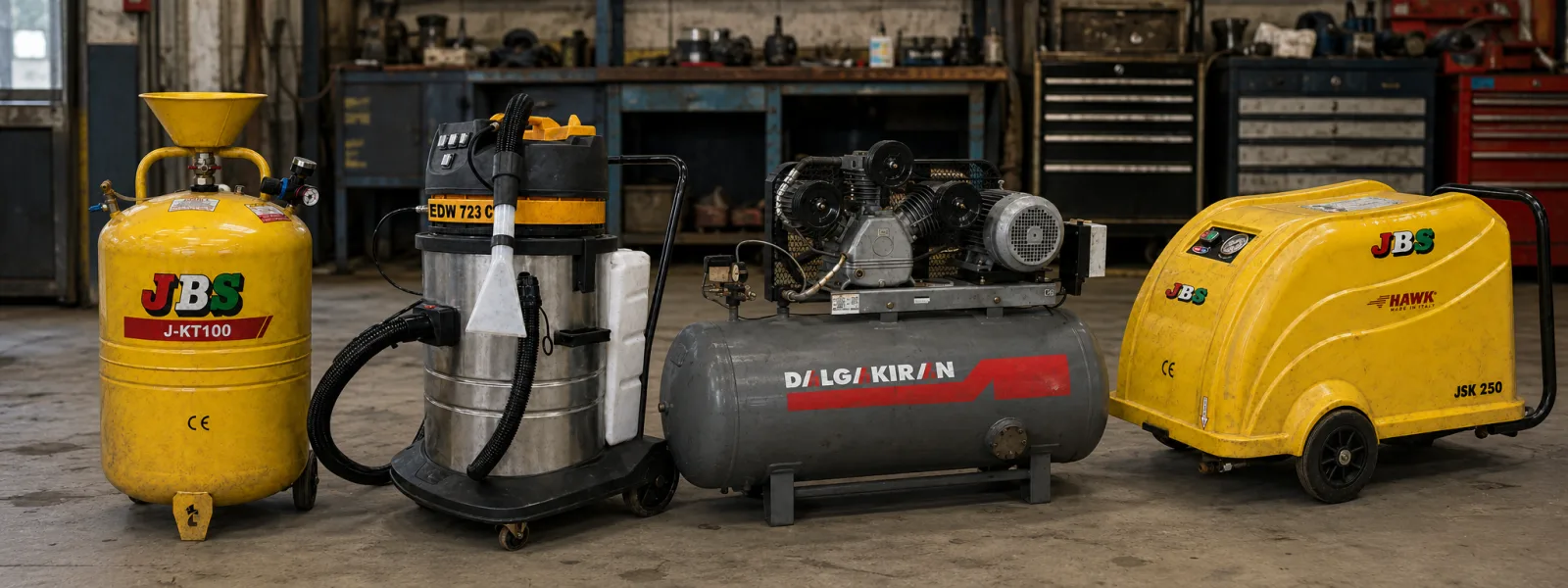
Used car wash machines may be considered by businesses seeking to reduce their initial investment. However, a purchasing decision should not be based solely on the advertised price. Repairs required for the pump, motor, hose, or electrical system of a low-priced machine may increase the total cost.
When buying a used machine, its price should be evaluated according to its technical condition, operating history, and current capacity—not only its age.
What Affects the Price of a Used Car Wash Machine?
The following factors influence the price of a used machine:
-
Machine brand and model
-
Whether it is a cold-water, hot-and-cold-water, or steam model
-
Working pressure and water flow rate
-
Motor power and electrical connection
-
Pump brand, model, and technical condition
-
Year of manufacture and estimated operating hours
-
Maintenance and repair history
-
Parts that have been replaced
-
Included hoses, guns, nozzles, and accessories
-
Service and spare-parts availability
-
Cosmetic condition and body construction
-
Transport and installation costs
Two machines with the same pressure rating may differ significantly in price because of their pump quality, motor power, operating intensity, and maintenance history.
Machine Type Affects the Price
The type of used car wash machine is one of the main main factors affecting its price.
Cold-water car wash machines are relatively straightforward systems used for routine exterior vehicle cleaning. Because they do not contain a water-heating unit, their technical construction differs from that of hot-and-cold-water models.
In addition to the pump and motor, hot-and-cold-water car wash machines may include a burner, fuel system, thermostat, and temperature controls. The condition of these components affects both the used-machine price and potential maintenance costs.
For steam car wash machines, the boiler, heating elements, steam valves, tank, number of steam guns, and safety systems should be inspected.
The Pump and Motor Should Be Inspected
The pump and motor are among the most important components of a used pressure washing machine. The fact that a machine operates does not necessarily mean it can continuously provide the required pressure and water flow.
Before purchasing, the machine should be connected to a water supply and tested under load. Check for pressure fluctuations, unusual noises, excessive vibration, oil or water leaks, and motor overheating.
If the pump requires an overhaul, the motor needs repairs, or the electrical panel must be replaced, the advantage of a low purchase price may disappear.
What Should Be Inspected on a Used Machine?
| Inspection point | What to check | Potential risk |
|---|---|---|
| Pump | Pressure, flow rate, and oil or water leaks | Cost of seals, valves, pistons, or complete pump replacement |
| Motor | Noise, vibration, overheating, and current draw | Bearing, winding, or motor replacement |
| Hose and gun | Cracks, crushing, leaks, and trigger operation | Safety risk and component replacement |
| Nozzle | Wear and spray pattern | Loss of pressure and cleaning performance |
| Electrical system | Cables, panel, contactors, and protective devices | Electrical faults and installation costs |
| Heating system | Burner, heating elements, and thermostat | Hot-water or steam-production problems |
| Body and chassis | Corrosion, cracks, and previous repairs | Transport and durability problems |
Whenever possible, the technical inspection should be carried out by a service provider experienced with this type of equipment.
Maintenance History and Spare-Parts Availability
A machine that has received regular maintenance and has documented replacement parts should not be evaluated solely according to its age. An older but well-maintained machine may be in better condition than a newer model that has been used intensively without proper maintenance.
The brand, model, and serial number should be identified, and the availability of compatible pumps, valves, hoses, guns, and electrical components should be investigated. A machine without readily available replacement parts may remain out of operation for an extended period because of a minor fault.
To review suitable products, visit the pressure washer spare parts and pressure washer pumps pages.
Costs Beyond the Advertised Price
The following additional costs should be included in the budget when purchasing a used machine:
-
Transport and handling
-
Preparation of the electrical installation
-
Initial maintenance and oil replacement
-
Replacement of hoses, guns, and nozzles
-
Pump or motor overhaul
-
Filters and connection components
-
Burner or heating-element maintenance
-
Installation and commissioning
A price comparison made without calculating these expenses may be misleading.
Used or New Machine?
| Option | Advantage | Important consideration |
|---|---|---|
| Used machine | May provide a lower initial investment | Operating history, failure risk, and limited warranty |
| New machine | Known technical condition, warranty, and service support | Higher initial purchase cost |
For professional businesses with a high daily vehicle volume, where downtime can cause significant losses, a new machine with warranty and service support may be the safer option. For low-intensity applications, a technically inspected used machine with readily available spare parts may be considered.
Before purchasing, request the machine’s invoice or proof of ownership, brand and model, serial number, operating video, maintenance history, and a list of accessories included in the sale.
To compare new professional models, visit the pressure washing machines page or contact JBS Makina for help selecting the appropriate capacity for your business.
Recommended Solutions
Related Products and Categories
Common Questions
Frequently Asked Questions
Is It Worth Buying a Second-Hand Car Wash Machine?
Buying a second-hand car wash machine can be reasonable if the pump, motor, pressure performance, service history, spare parts availability and general condition are carefully checked before purchase.
What Should You Check When Buying a Second-Hand Pressure Washer?
Before buying a second-hand pressure washer, check the pump condition, motor performance, pressure stability, water leaks, hose and gun condition, service history and spare parts availability.