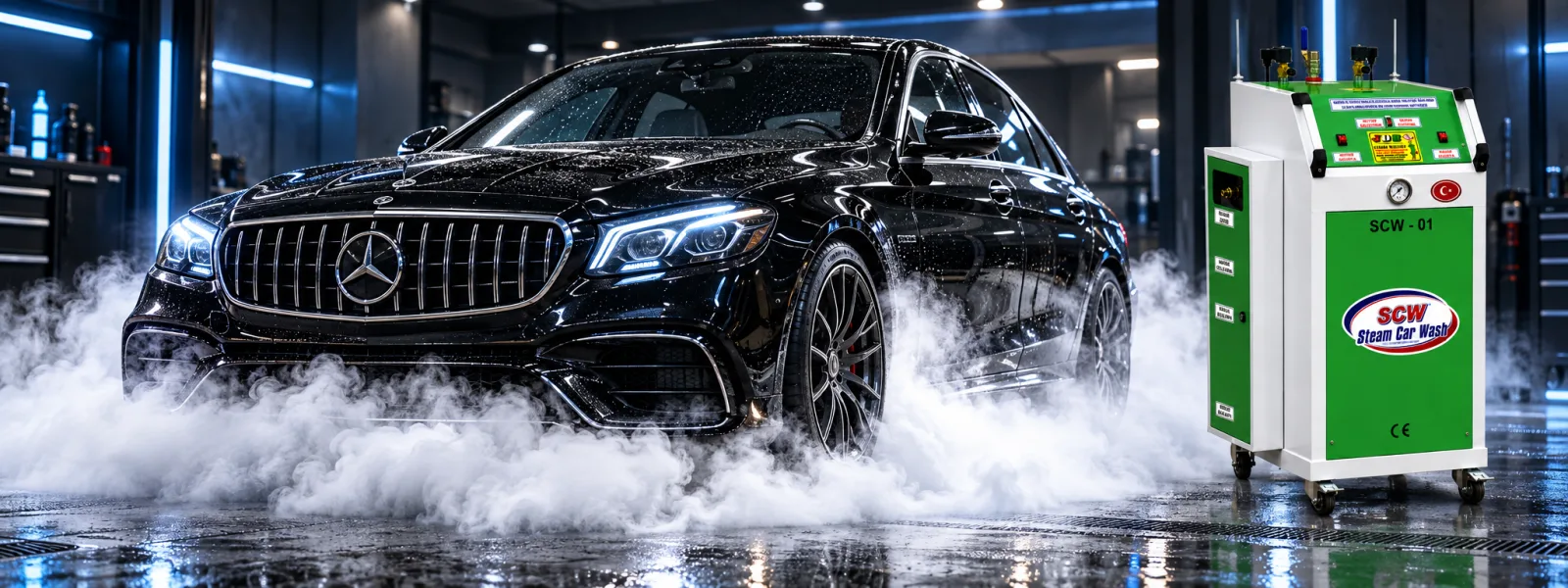
Fit Fleet Cleaning into Your Operating Schedule
Fleet cleaning involves more than maintaining vehicle appearance. Managers also need to consider when cleaning takes place, how long vehicles remain unavailable and whether they are ready for their next assignment.
For businesses in the Netherlands, steam systems can support suitable cleaning tasks at the company’s premises. Before investing, assess vehicle return times, parking arrangements and the cleaning requirements of each vehicle group.
A practical programme matches the work to vehicle use and provides a consistent way to check completed tasks.
Set Different Priorities for Different Vehicles
A delivery van and a company car used for customer visits have different cleaning needs. Driver cabins, passenger compartments and cargo areas should be assessed separately.
| Vehicle Group | Planning Priority |
|---|---|
| Company cars | Interior condition and presentation |
| Delivery vans | Cabins, entry steps and suitable cargo surfaces |
| Passenger transport vehicles | Passenger-area care according to usage |
| Rental vehicles | Consistent checks before handover |
| Technical service vehicles | Separate procedures for cabins and equipment areas |
When setting cleaning frequency, consider operating conditions, driver changes and contamination types alongside mileage.
Choose Between On-Site and Centralised Cleaning
On-site cleaning may reduce the need to move vehicles to an external facility. Its operational value depends on site conditions and the time vehicles remain parked.
A mobile team may suit fleets spread across several locations. Vehicles returning to one depot may benefit from a dedicated cleaning area with a predictable workflow.
Before deciding, check power access, working space, hose routing and site requirements. Using steam equipment does not automatically make every location suitable for vehicle cleaning.
Identify Where Steam Adds Value
Steam can help loosen residues on compatible surfaces and in hard-to-reach areas. Door recesses, seat rails and durable cabin surfaces are examples where controlled application may be useful.
Heavily soiled vehicle exteriors may require pre-cleaning or other equipment. Suitable upholstery extraction equipment may be needed to recover dirty water from fabrics.
Define the steam system’s role according to your fleet’s actual needs. Follow manufacturer instructions for sensitive coatings, electronic components and moisture-sensitive materials. Adjust settings, application distance and contact time to the surface.
Calculate Capacity Around Available Working Time
Fleet size alone is insufficient for selecting equipment. The number of vehicles requiring attention within a particular time window is more useful.
Vehicles returning during a short evening period may create a concentrated workload. Staggered arrivals throughout the day allow a different staffing and equipment arrangement.
Include the following in your plan:
-
Daily time available for cleaning.
-
Number of operators working simultaneously.
-
Tasks included for each vehicle.
-
Preparation, refill and inspection time.
-
Priority vehicles needed for the next shift.
These details help you assess equipment capacity and staffing together.
Compare JBS SCW Configurations
The JBS Makina steam car wash range includes configurations for different working arrangements.
For a single-operator setup, review the SCW-04. For a two-gun arrangement, consider the SCW-03. Businesses planning several working areas can compare the SCW-01 with other models in the range.
Confirm steam output during simultaneous use, electrical connection requirements and included accessories. Gun count alone does not establish daily vehicle throughput.
For mobile installation, assess equipment dimensions, weight, transport securing and the proposed power source.
Keep a Record of Completed Work
A fleet cleaning programme should show which vehicles have been cleaned and which tasks were completed. A simple record can help identify missed work and repeated issues.
Useful fields include registration number, date, service scope, working time and inspection result. Record existing damage separately from cleaning observations.
During initial trials, measure actual job duration and resource consumption. Use those results to refine staffing, cleaning intervals and equipment requirements. Avoid basing the investment on unverified savings or throughput claims.
Plan Maintenance Alongside Vehicle Cleaning
Equipment availability also affects the schedule. Include routine care and manufacturer-specified maintenance in the operating plan.
Before ordering, clarify warranty conditions, technical support channels and spare-parts procedures. Identify who will report faults and what information will be needed to assess them.
Where appropriate, discuss an initial maintenance and spare-parts package with the supplier.
Request a Quotation for Your Fleet Project
If you are evaluating steam cleaning systems for a fleet in the Netherlands, share your vehicle types, operating locations and available cleaning window with JBS Makina.
Include operator numbers, electrical supply and delivery location. Request a quotation covering the proposed SCW configuration, accessories, maintenance requirements and supply conditions.
Explore the SCW range
Discuss your fleet project on WhatsApp
Phone: +90 232 449 14 88
WhatsApp: +90 533 213 48 61
Website: jbsmakina.com.tr/en
Recommended Solutions
Related Products and Categories
Common Questions
Frequently Asked Questions
What information is required for an international quotation?
Provide the destination country, quantity, intended application, daily workload, number of operators and available electrical supply.
Does JBS Makina export steam car wash machines?
JBS Makina evaluates international enquiries from distributors, importers and professional car wash businesses according to destination country, machine configuration, quantity and delivery requirements.