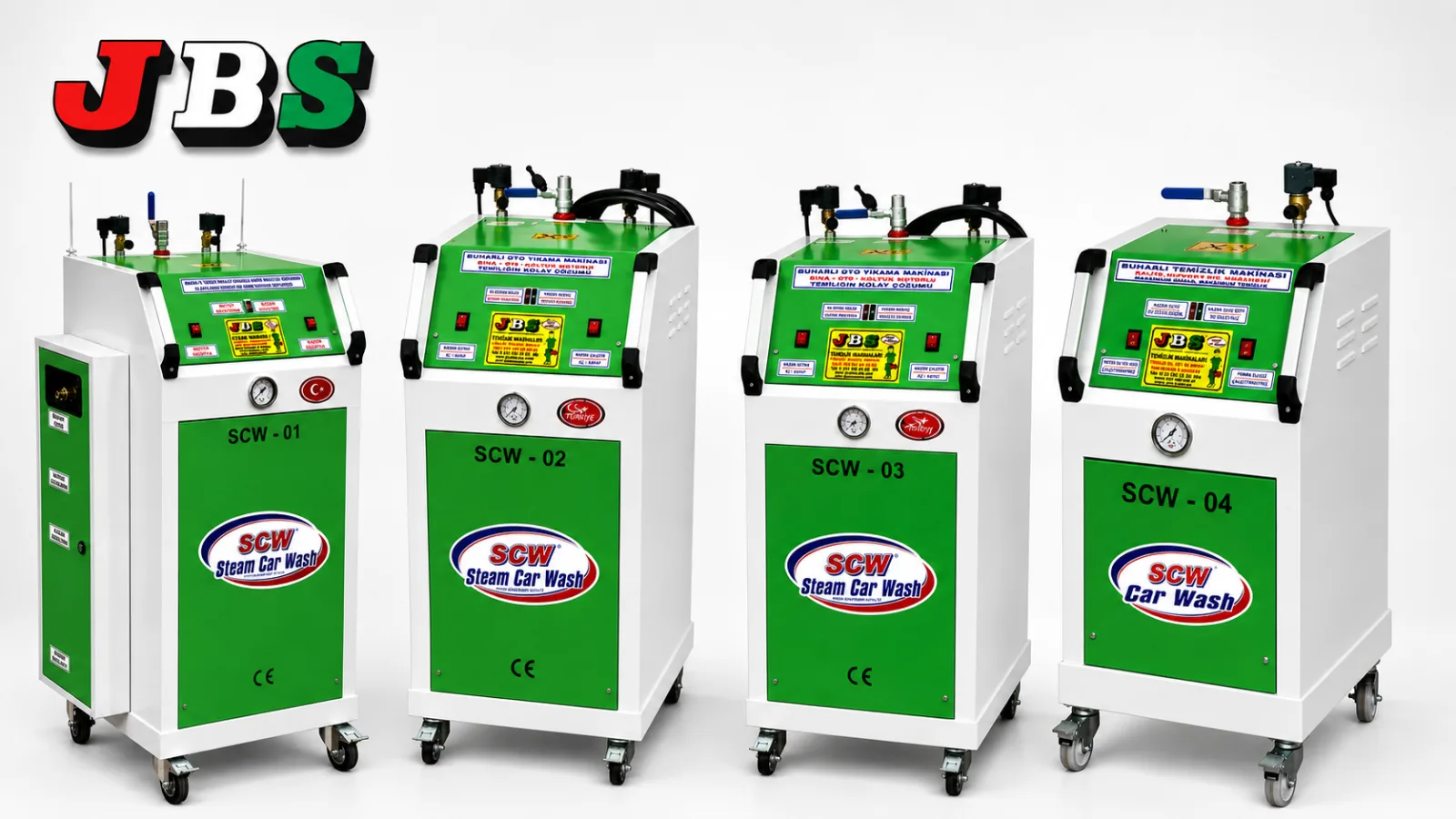
Engine-Bay Steam Cleaning Starts with Vehicle Approval
For a professional detailing or valeting business, the first question should not be “how much steam can the machine produce?”
It should be:
Does the vehicle manufacturer permit this cleaning method around the engine compartment?
That distinction matters because vehicle architecture varies substantially.
Fortador's own engine-bay guidance takes the same position: steam should not automatically be assumed safe, and the owner’s manual or authorised service guidance should be checked first.
Work on a Cool Engine
Professional engine detailing should begin with the vehicle switched off and the engine allowed to cool.
This improves operator safety and avoids unnecessary thermal shock around hot components.
Loose leaves, dust and dry debris should be removed before steam is introduced.
Doing this first lets the steam work on bonded grease and oily contamination rather than simply moving loose dirt around the bay.
Map the Sensitive Zones Before Cleaning
A technician should identify and protect moisture-sensitive areas such as:
ECUs, fuse and relay boxes, alternators, exposed connectors, sensors, open air intakes and aftermarket electronics.
Do not direct a concentrated steam jet into these areas.
The JBS Steam Cleaner for Auto Detailing guide follows the same principle for sensitive vehicle electronics: steam intensity, distance and exposure time must be controlled.
Steam Works Well on Oily Surface Contamination
Steam is valuable because heat helps soften oily film and grease on compatible surfaces.
Typical professional targets may include:
engine covers, suitable painted metal, robust plastics, bonnet shut areas and accessible oily mechanical surfaces.
Once the contamination has softened, it still needs to be physically removed with suitable microfibre, brushes or recovery methods.
The cleaning result does not come from heat alone.
When Is a Degreaser Needed?
A heavily neglected engine bay may carry old oil, thick grease, road film or deposits that steam alone cannot remove efficiently.
A compatible professional degreaser may then be required.
The product must suit the material being cleaned and should be applied according to its own instructions.
Steam can then support the removal process instead of being expected to dissolve every technical contaminant by itself.
Do Not Turn Pressure into the Main Selling Point
More pressure is not automatically better around electrical and delicate engine-bay components.
For commercial engine cleaning, buyers should evaluate steam control, output, hose and nozzle selection, reliability, duty cycle and service support.
For more intensive oily cleaning, the JBS SCW-05 provides 15 bar, 170–210°C steam and two working guns. JBS itself specifies that ECUs, sensors, alternators, fuse boxes and exposed electrical connections must not be directly exposed to steam.
That makes the commercial message clear: machine capacity and actual surface setting are two different things.
Engine-Bay Cleaning for Dealerships
Dealerships and used-vehicle preparation centres often clean engine bays for presentation rather than heavy mechanical maintenance.
For this workflow, consistency and turnaround can matter more than maximum cleaning aggressiveness.
A light, controlled engine-bay detail should aim for a clean and presentable result without saturating electrical areas or dressing every component excessively.
This fits naturally alongside other services offered by JBS Auto Detailing Centers.
Workshops Need a Different Workflow
A workshop may deal with oil leaks, heavy grease and technical contamination.
Here steam can support cleaning before inspection or after repair, but the technician needs to know whether contamination is evidence of an active leak.
Cleaning should not conceal a fault before diagnosis.
For severe mechanical contamination, suitable degreasing chemistry or another process may still be required.
Hybrid and EV Compartments Require Special Procedures
Hybrid and battery-electric vehicles must not simply inherit an internal-combustion engine-bay process.
High-voltage components and manufacturer-specific service requirements change the risk profile.
Only manufacturer-approved procedures and appropriately trained personnel should be used around high-voltage systems.
Dry Before Restart
After cleaning, recover visible moisture and inspect protected electrical areas.
Connectors and fuse-box surroundings should not be left wet.
The vehicle should only be restarted when the technician is satisfied that the compartment is in a suitable condition.
For a wider comparison of commercial steam equipment, review the JBS Steam Car Wash Machine range.
Share vehicle type, daily engine-bay workload, technician count and electrical supply to request a technical quotation from JBS Makina.
Recommended Solutions
Related Products and Categories
Common Questions
Frequently Asked Questions
Who Can Use a Steam Car Wash Machine?
Steam car wash machines can be used by car wash businesses, detailing centers, auto dealerships, service centers, rent a car companies, fleet operators and mobile vehicle cleaning services.
How much water does steam car washing use?
Actual water consumption depends on the machine, steam flow rate, vehicle size, and cleaning time. Professional steam cleaning generally uses much less water than conventional pressure washing.
Steam Car Wash Machines for Businesses
Steam car wash machines are suitable for car wash businesses, auto detailing centers, car dealerships, service centers, rent a car companies, fleet operators and mobile vehicle cleaning services.
Cost and Profitability of a Steam Car Wash Business
Costs vary according to the machine, vehicle, water tank, equipment, and operating expenses. Profitability depends on the number of vehicles per day, service prices, and effective expense management.