Count Productive Washer Hours, Not Just Cars
Twenty vehicles can represent very different workloads.
A maintenance wash on passenger cars may use considerably less pressure-washer time than heavily contaminated vans or fleet vehicles.
A UK operator should therefore estimate:
vehicles × actual trigger-on time per vehicle
and use that workload to judge equipment duty rather than relying on vehicle count alone.
More Cars Do Not Automatically Require More Pressure
Nilfisk places routine vehicle washing within a relatively moderate pressure class while reserving higher pressure ranges for machinery and heavier applications.
That distinction matters commercially.
If a busy site mainly processes passenger cars, increasing from 150 to 250 bar does not automatically increase throughput.
Flow rate, pump durability and bay organisation can matter more.
Peak Demand Can Make Redundancy More Valuable Than Oversizing
A wash site may average a manageable number of cars per day but still receive a large proportion of them within two peak periods.
If one pressure washer becomes the bottleneck, fitting a second productive wash position may generate more capacity than purchasing a single machine with greater maximum pressure.
It also provides operational resilience if one unit requires servicing.
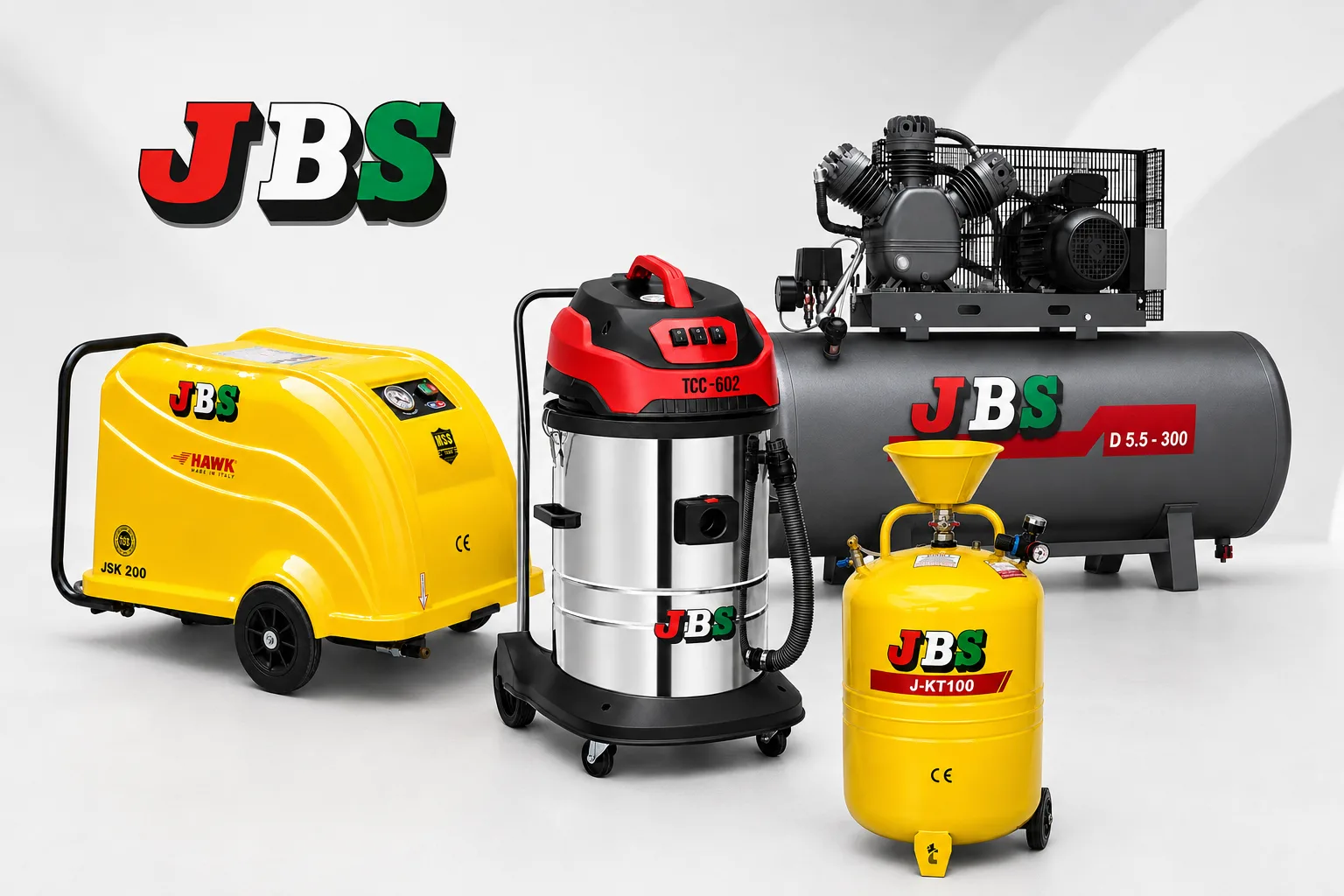
For regular professional work, the JBS JSK-200 Commercial Pressure Washer can be evaluated against this workload rather than against pressure alone.
Flow Rate Determines Rinsing Capacity
Mud, foam and road film must be carried away after pressure loosens them.
That makes litres per minute commercially important.
Higher flow can improve rinsing productivity on larger or dirtier vehicles, but the site must also provide sufficient inlet water and drainage.
Use the Commercial Pressure Washer Flow Rate Guide when sizing the wash process.
Vehicle Mix Can Change the Specification Completely
A site washing thirty passenger cars is not equivalent to a depot washing thirty vans, minibuses or heavily soiled fleet vehicles.
Commercial vehicles can require:
greater water volume, longer hose reach, longer working cycles or hot-water capability.
Pressure should follow the cleaning task.
Duty cycle should follow the workload.
This separation prevents a business buying pressure it does not need while under-specifying the components that actually determine uptime.
Confirm Electrical Compatibility Before Purchase
Professional machines may require three-phase power and substantial electrical capacity.
For UK installations, confirm the exact voltage, phase, frequency, circuit protection and site compatibility of the selected machine before ordering.
Imported-equipment specifications should not be assumed to be directly compatible without this check.
Size the System Around Commercial Throughput
Review the JSK-200 Commercial Pressure Washer, compare alternatives under Car Wash Machines, and match the installation to your Car Wash Business. Use the Pressure Washer Flow Rate Guide to plan rinsing capacity. Provide vehicle mix, daily throughput, peak-hour demand, operating hours and electrical supply to request a commercial quotation from JBS Makina.
Recommended Solutions
Related Products and Categories
Common Questions
Frequently Asked Questions
What Tasks Is a Cold Water Car Wash Machine Suitable For?
It is used for general vehicle washing, fleet cleaning, and cleaning suitable durable surfaces with pressurized water.
What equipment is required when purchasing a car wash system?
The equipment required for a car wash system depends on the type of operation and service capacity. Common components include a pressure washer, water tank, water pump, vacuum cleaner, air compressor, foam and chemical dosing systems, hoses, spray guns, water treatment or recycling units, and electrical control equipment. Depending on the project, payment systems, steam cleaners, spot-free rinse systems, and drying equipment may also be required.
How do you choose a pressure washer for car washing?
When choosing a pressure washer for car washing, you should consider working pressure, water flow rate, pump quality, motor power, hose length, nozzle options, durability, and ease of maintenance. For professional car wash applications, it is also important to select a machine suitable for frequent use and capable of providing stable pressure without damaging vehicle paint or sensitive surfaces.